Understanding the Interaction Between Photoelectric Sensors and Reflective Films
Photoelectric sensors operate on the principle of detecting changes in light intensity to identify the presence, absence, or position of objects. When light from the sensor's emitter strikes a surface, it can be absorbed, transmitted, or reflected. Reflective films, commonly used in packaging, labeling, and protective layers, are designed to reflect light efficiently. This high reflectivity can cause the sensor to misinterpret signals, leading to false positives or failures in detection. The challenge arises because these films often reflect light back to the sensor's receiver even when no object is present, disrupting the intended operation. In industrial settings, this can result in production errors, such as incorrect counting or misalignment in automated processes. Understanding this interaction is crucial for engineers to implement effective solutions and ensure reliable sensor performance.
Common Issues Caused by Reflective Films in Sensor Applications
Reflective films pose several specific problems for photoelectric sensors. One major issue is over-reflection, where the film reflects too much light, causing the sensor to register an object even when it is absent. This is particularly problematic in retro-reflective sensors, which rely on a reflector to bounce light back. If the film itself acts as a reflector, it can mimic this effect. Another common problem is specular reflection, where light bounces off the film at a sharp angle, potentially missing the receiver and leading to false negatives. Additionally, films with varying reflectivity—such as those with glossy or matte finishes—can cause inconsistent readings. In high-speed applications, like conveyor systems, these issues can escalate, resulting in downtime and reduced efficiency. Engineers must account for these factors during system design to avoid costly errors.
Technical Strategies to Mitigate Reflection Interference
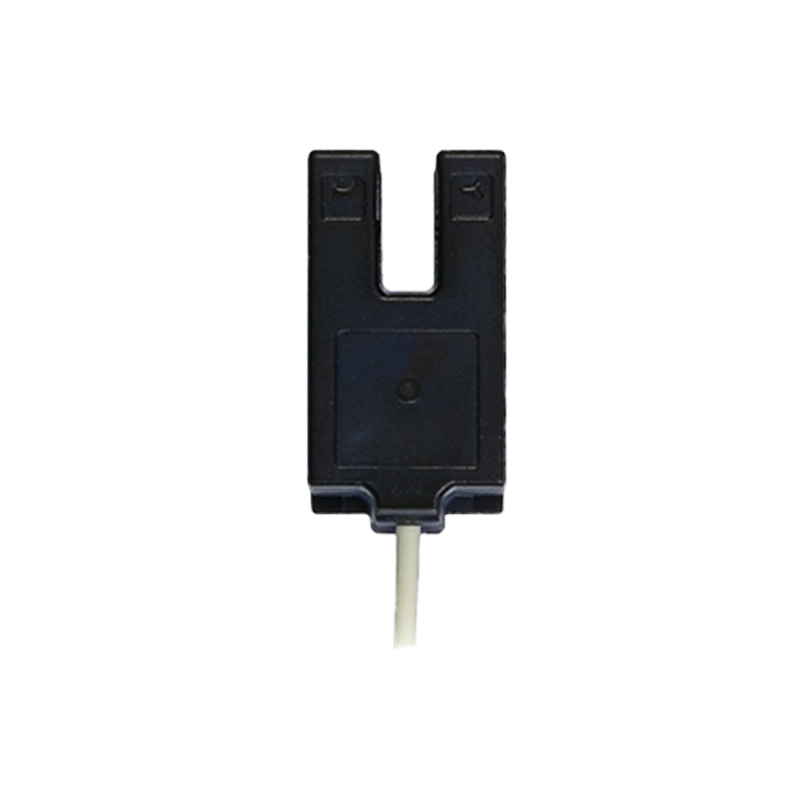
To address challenges with reflective films, several technical strategies can be employed. One effective approach is using diffuse mode sensors, which emit light at an angle and detect scattered reflections. This reduces the impact of direct reflection from films. Another solution involves adjusting the sensor's sensitivity or threshold settings to filter out excessive reflected light. Polarized filters can also be installed to block specular reflections, ensuring only relevant light reaches the receiver. In some cases, switching to through-beam sensors—where the emitter and receiver are separate—can eliminate reflection issues entirely, as the film's reflectivity does not interfere with the direct light path. Additionally, selecting sensors with modulated light sources, such as infrared or laser, can improve discrimination against ambient reflections. Regular calibration and testing with actual film samples are essential to optimize these settings for specific applications.
Selection Criteria for Sensors in High-Reflectivity Environments
When working with reflective films, choosing the right photoelectric sensor is critical. Key selection criteria include the sensor's operating mode, wavelength, and response time. For instance, background suppression sensors are designed to ignore reflections from distant surfaces, making them suitable for films with high gloss. Sensors with shorter wavelengths, like blue light, may penetrate films better and reduce reflection interference. It's also important to consider the film's properties, such as color and texture, as darker or textured films may absorb more light. Engineers should consult manufacturer datasheets and conduct on-site trials to evaluate performance. Factors like environmental conditions—such as dust or humidity—should also be factored in, as they can affect light transmission. By prioritizing sensors with advanced features, such as adjustable sensing ranges or built-in diagnostics, industries can enhance reliability in reflective scenarios.
Real-World Applications and Case Studies
In practical settings, reflective films are encountered across various industries, requiring tailored solutions. For example, in the packaging sector, sensors detect labels on shiny film wrappers; using polarized retro-reflective sensors has proven effective in reducing false triggers. In automotive manufacturing, films on protective coatings can interfere with assembly line sensors; implementing through-beam sensors has minimized errors. A case study from a food processing plant showed that switching to diffuse mode sensors reduced misreads on reflective packaging by over 90%. Another example involves the electronics industry, where sensors monitor film-based insulators; adjusting the incidence angle of light helped mitigate reflection issues. These applications highlight the importance of customizing sensor setups based on specific film characteristics and operational demands.
Future Trends and Innovations in Sensor Technology
Advancements in photoelectric sensor technology are continuously addressing challenges with reflective films. Emerging trends include the development of smart sensors with AI algorithms that can learn and adapt to reflection patterns in real-time. These sensors use machine learning to distinguish between desired objects and reflective interference, improving accuracy. Additionally, 3D sensing technologies, such as time-of-flight sensors, offer enhanced depth perception, reducing reliance on surface reflectivity. Innovations in materials science may also lead to films with controlled reflectivity properties, designed to work seamlessly with sensors. As industries adopt Industry 4.0 practices, integrated sensor networks with IoT connectivity will enable remote monitoring and adjustment, further optimizing performance in reflective environments. Staying updated on these trends allows engineers to future-proof their systems and maintain high efficiency.