Understanding Specialized Photoelectric Sensors
In the realm of industrial automation, specialized photoelectric sensors are critical components for precise detection, measurement, and control. Unlike standard models, these sensors are engineered for demanding applications involving specific environmental conditions, target materials, or performance requirements. Key variations include background suppression sensors for ignoring complex backgrounds, color mark sensors for detecting specific color contrasts, luminescence sensors for detecting UV materials, and fiber optic sensors for use in extreme temperatures or tight spaces. Selecting the right manufacturer is not merely about purchasing a component; it is about ensuring system reliability, minimizing downtime, and optimizing long-term operational costs. The choice hinges on a deep understanding of both the application's technical parameters and the manufacturer's core competencies in innovation, quality control, and support.
Key Criteria for Evaluating Manufacturers
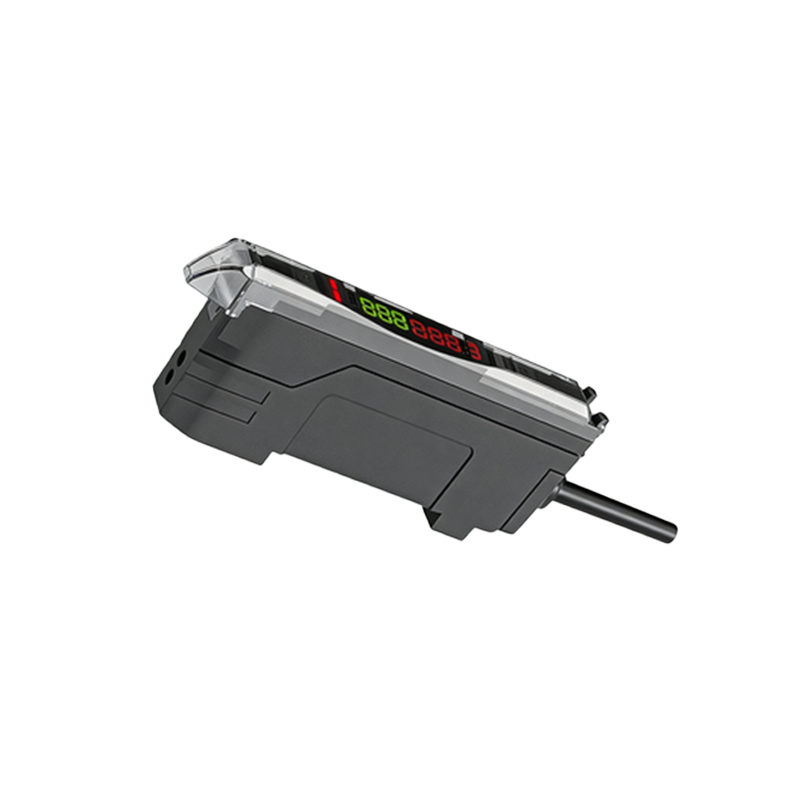
When assessing which specialized photoelectric sensor manufacturer stands out, engineers must consider a multi-faceted set of criteria. First and foremost is technical performance and product range. A leading manufacturer should offer a comprehensive portfolio that addresses diverse needs such as long-range detection, high-speed response for fast-moving lines, and robust designs for washdown or hazardous areas. Precision, repeatability, and stability under variable conditions are non-negotiable. Secondly, innovation and R&D capability are paramount. The best companies invest heavily in research to develop sensors with advanced features like IO-Link for smart sensor functionality, enhanced algorithms for better noise immunity, and miniaturization without sacrificing power. Thirdly, manufacturing quality and global standards compliance (e.g., IP ratings, CE, UL) ensure durability and safety. Finally, the depth of technical support, availability of application engineering expertise, and a robust global distribution network are crucial for seamless integration and troubleshooting.
Leading Contenders in the Global Market
The global market features several established leaders, each with distinct strengths. Companies like Banner Engineering, Keyence, and Sick AG are often at the forefront. Banner Engineering is renowned for its rugged, reliable sensors and exceptional customer support, offering highly configurable solutions for challenging environments. Keyence is frequently praised for its cutting-edge technology, ultra-precise sensors, and powerful, user-friendly software for setup and monitoring, though sometimes at a premium price point. Sick AG provides a vast array of high-performance sensors, particularly strong in logistics and safety applications, with a reputation for extreme robustness and precision. Omron and Panasonic are also major players, known for their reliability, extensive product catalogs, and strong presence in various manufacturing sectors. The "best" manufacturer is inherently application-dependent; a manufacturer ideal for precise pharmaceutical packaging may differ from the best choice for harsh metalworking or outdoor logistics.
The Critical Role of Application-Specific Solutions
A superior manufacturer distinguishes itself by providing not just a product, but a solution. This involves a consultative approach where application engineers work closely with clients to understand the unique challenge. For instance, detecting a clear glass bottle on a high-speed filling line requires a sensor with specific polarization filters and beam characteristics. Detecting a faint luminescent mark on a dark substrate demands a sensor with exceptional sensitivity and adjustable thresholds. Top manufacturers offer extensive resources: detailed selection guides, simulation software, sample testing programs, and white papers. They provide sensors with flexible mounting options, varied output types (PNP/NPN, analog, IO-Link), and housings made from materials like stainless steel or specialized plastics for chemical resistance. The ability to deliver a custom-engineered solution for a niche problem is a true mark of excellence.
Future Trends and Smart Sensor Integration
The future of specialized photoelectric sensors is inextricably linked to Industry 4.0 and the Industrial Internet of Things (IIoT). The leading manufacturers are now integrating advanced diagnostics and communication protocols directly into their sensors. IO-Link, a point-to-point serial communication protocol, is becoming standard, allowing for parameter setting, process data monitoring, and predictive maintenance alerts from a central controller. This transforms a simple detection device into a smart data point that can communicate its health, signal intensity, and environmental temperature. When evaluating a manufacturer today, their roadmap for smart, connected devices is as important as their current product specs. A manufacturer with a strong ecosystem that supports seamless integration into PLCs, SCADA systems, and cloud-based analytics platforms will provide greater long-term value and operational intelligence.
Making the Final Decision: A Practical Checklist
To conclude the selection process, engineers should utilize a practical checklist. Define the application requirements with utmost clarity: target material, size, and color; required sensing distance and beam spot size; environmental factors (dust, moisture, temperature, vibration); required response speed and output type; and necessary certifications. Next, shortlist 2-3 manufacturers that meet these core technical specs. Request evaluation samples for real-world testing under actual operating conditions—this is the most critical step. Compare not only the sensor performance but also the ease of setup, clarity of documentation, and responsiveness of technical support. Finally, conduct a total cost of ownership analysis, factoring in initial price, expected lifespan, maintenance needs, and potential cost of downtime. The best manufacturer is the one whose sensor solves your specific problem reliably, is supported by expert knowledge, and delivers optimal value over its entire lifecycle.