In today's rapidly evolving technological landscape, human proximity sensors have become indispensable components across a multitude of industries. These sophisticated devices, designed to detect the presence or absence of a person within a specific range without physical contact, are the silent enablers of safety, efficiency, and intuitive user interaction. The companies driving this sector are not merely manufacturers; they are innovators at the intersection of electronics, software, and human-centric design.
The core technologies underpinning these sensors are diverse, each with distinct advantages. Passive Infrared (PIR) sensors, which detect changes in infrared radiation emitted by warm bodies, remain a cost-effective staple for lighting control and basic security. Ultrasonic sensors, using sound waves, excel in environments where other methods might fail, offering reliable detection regardless of ambient light or the material of the approaching object. Perhaps the most significant advancements have come in capacitive sensing and Time-of-Flight (ToF) technologies. Capacitive sensors can detect a human body through non-metallic materials, enabling sleek, button-less interfaces in appliances and automotive applications. ToF sensors, which measure the time for a light signal to bounce back, provide precise distance measurement, fueling applications in robotics, gesture recognition, and advanced driver-assistance systems (ADAS).
Leading companies in this field differentiate themselves through specialization, integration capabilities, and relentless R&D. Established semiconductor giants like Texas Instruments and STMicroelectronics provide the essential integrated circuits (ICs) and development platforms that form the brains of sensor systems. Their strength lies in high-volume production, robust performance, and comprehensive technical support for engineers designing sensor modules into larger products.
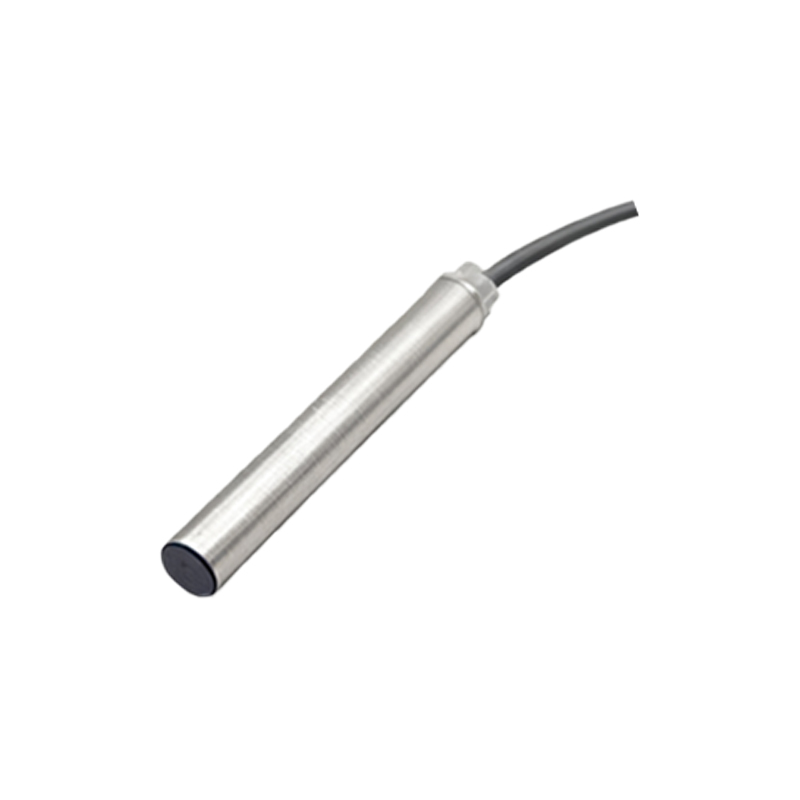
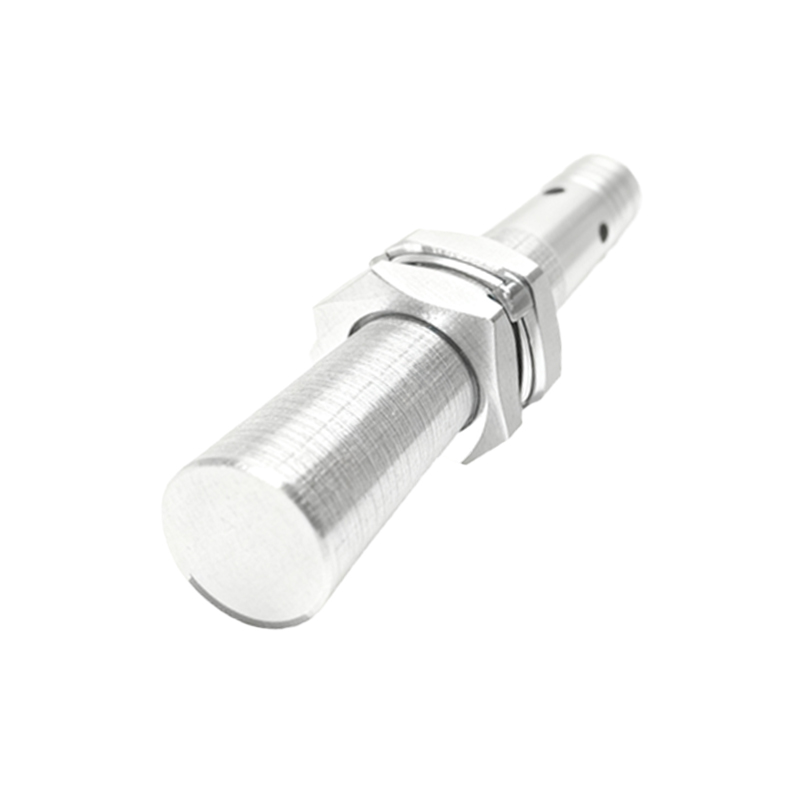
On the other hand, specialized firms such as Pepperl+Fuchs and Banner Engineering have carved out dominant positions in industrial automation. Their proximity sensors are built for harsh environments—resistant to dust, moisture, and extreme temperatures—ensuring machine safety and process reliability in factories worldwide. Their expertise extends beyond the sensor itself to include application engineering, helping clients solve complex detection challenges on the plant floor.
The consumer electronics and automotive sectors have spurred innovation from companies like ams OSRAM and Vishay Intertechnology. Here, the demand is for miniaturization, ultra-low power consumption, and exceptional reliability. Sensors in smartphones (for screen blanking during calls), laptops, and smart home devices require seamless integration and must operate flawlessly for years. In automotive interiors, proximity sensors enable touch-sensitive controls and occupancy detection, contributing to both luxury and safety features.
Emerging trends are reshaping the competitive landscape. The integration of artificial intelligence and machine learning with sensor data is a key frontier. Companies are developing "smarter" sensors that can not only detect presence but also interpret context—distinguishing between a person leaning briefly versus sitting down, or identifying specific gestures. This intelligence reduces false triggers and enables more complex automation sequences. Furthermore, the push for multi-sensor fusion, combining data from proximity, vision, and audio sensors, is creating more robust and context-aware systems for applications in security, retail analytics, and healthcare.
The market is also witnessing a surge in demand for customized solutions. While off-the-shelf sensors serve many purposes, leading companies are increasingly working directly with OEMs to develop tailored sensing solutions that are optimized for specific form factors, power budgets, and environmental conditions. This collaborative approach from concept to production is becoming a critical value proposition.
Choosing the right human proximity sensor company depends heavily on the application. Factors to consider include detection range and accuracy, environmental robustness, power requirements, form factor, and the total cost of integration, which includes not just the sensor unit but also the design-in support and long-term supply chain stability. Successful implementation hinges on a clear understanding of what needs to be detected, under what conditions, and what action the detection should trigger.
In conclusion, the ecosystem of human proximity sensor companies is dynamic and vital. From global semiconductor leaders to niche industrial specialists, these firms are collectively advancing a technology that makes our interactions with machines safer, more efficient, and more natural. As the Internet of Things expands and the demand for intuitive automation grows, their role in shaping our connected world will only become more profound. The future points toward even smaller, more intelligent, and more interconnected sensing solutions, seamlessly embedded into the fabric of our daily lives.