Introduction to Proximity Sensor Parameters
Proximity sensors are fundamental components in industrial automation, enabling non-contact detection of objects. Their performance and suitability for specific applications are defined by a set of key technical parameters. Understanding these parameters is crucial for engineers and technicians to select the correct sensor, ensure system reliability, and optimize machine performance. This article details the essential parameters that characterize inductive, capacitive, and magnetic proximity sensors, providing a guide for effective specification and integration.
Sensing Distance
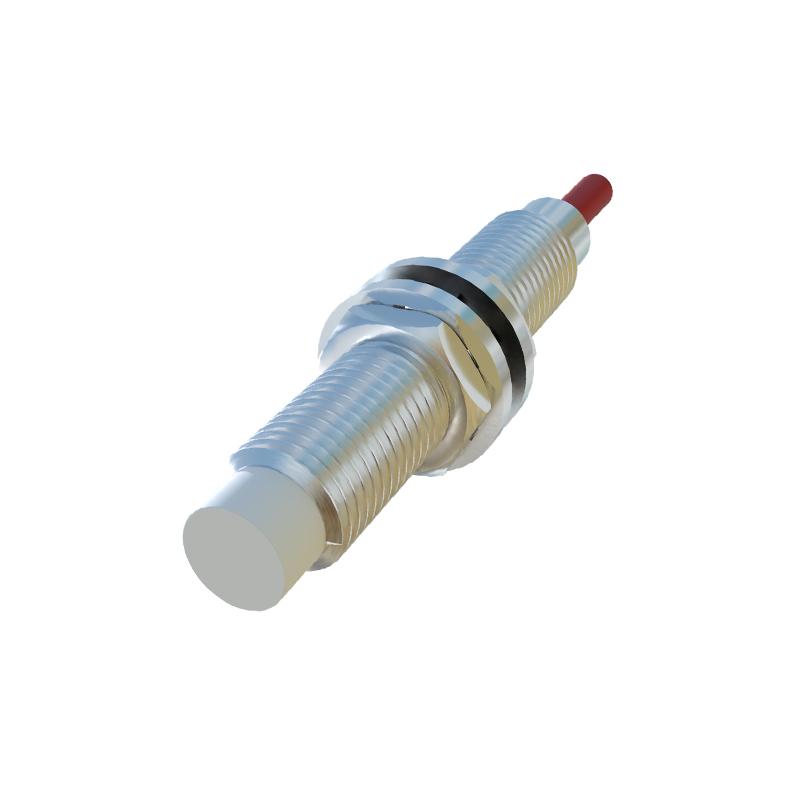
The sensing distance, often termed the nominal or rated operating distance (Sn), is a primary specification. It defines the maximum distance at which a standard target can be reliably detected under defined conditions. This distance varies significantly by sensor type and target material. For inductive sensors, it is specified for a standard mild steel target. Capacitive sensors have a sensing distance dependent on the target material's dielectric constant. It is critical to note that the actual usable sensing distance in an application should be less than the nominal value, typically 70-80% of Sn, to account for environmental factors like temperature fluctuations and supply voltage tolerances.
Repeatability
Repeatability refers to the sensor's ability to consistently detect a target at the same point under unchanged conditions. It is expressed as a percentage of the sensing distance and is a measure of precision. High repeatability, often within 1-2% of Sn, is vital in precision positioning applications, such as robotic arm end-stops or part placement verification. Factors affecting repeatability include temperature stability, electrical noise, and mechanical vibration. Sensors with superior repeatability ensure consistent process quality and reduce downtime from false triggers.
Hysteresis
Hysteresis is the difference between the switch-on point (when the target approaches) and the switch-off point (when the target recedes). This parameter is expressed as a percentage of the sensing distance. Hysteresis is a deliberate design feature that prevents output oscillation or "chatter" when a target is positioned at the exact sensing edge. By creating a dead band, it ensures a clean, single switching action even in the presence of vibration or minor target movement. A typical hysteresis value ranges from 3% to 15% of Sn.
Response Frequency
Also known as switching frequency, this parameter indicates how many on/off cycles the sensor can perform per second (measured in Hz). It determines the maximum speed at which objects can pass by the sensor and still be individually detected. A high response frequency, which can range from a few hundred Hz to several kHz, is essential for high-speed counting, sorting, or monitoring fast-moving production lines. The specified frequency often assumes an ideal target size and a 50% duty cycle (equal on and off times).
Output Configuration and Switching Current
The electrical output defines how the sensor interfaces with the control system. Common configurations include NPN (sinking), PNP (sourcing), Normally Open (NO), and Normally Closed (NC). The switching current (or load current) is the maximum continuous current the output switch can handle, typically ranging from 100mA to 500mA for standard models. This rating must not be exceeded to avoid damaging the sensor. Additionally, the residual current (leakage current when "off") and voltage drop when "on" are important for designing reliable circuits, especially when interfacing with high-impedance PLC inputs.
Environmental Ratings
Industrial environments pose challenges such as temperature extremes, moisture, and physical impact. Key ratings include operating temperature range (e.g., -25°C to +70°C), ingress protection (IP) rating (e.g., IP67 for dust-tight and immersion protection up to 1m), and housing material (e.g., stainless steel for corrosive environments). For inductive sensors, factors like target material, non-target metal influences, and mounting conditions (flush or non-flush) significantly affect performance and must be considered as part of the environmental specification.
Electrical Characteristics
These parameters govern the sensor's power requirements and electrical behavior. They include the supply voltage range (e.g., 10-30V DC), current consumption (quiescent current), short-circuit and reverse polarity protection, and the type of output transistor (e.g., MOSFET). Understanding the supply voltage tolerance is important for stable operation, especially in plants with voltage sags or surges. Low current consumption is a key factor in large, distributed sensor networks for energy efficiency.
Mechanical Dimensions and Mounting
The physical form factor must fit the application's spatial constraints. Parameters include housing style (cylindrical, rectangular, slot-type), thread size (e.g., M8, M12,