Introduction to Photoelectric Sensing Technology
Photoelectric sensors are fundamental components in modern industrial automation and control systems. They operate on the principle of converting light signals into electrical signals to detect the presence, absence, or distance of an object. Among the various types available, the three-light photoelectric sensor stands out for its enhanced diagnostic capabilities and reliability. This sensor typically features three distinct indicator lights, each conveying specific operational statuses, which provides immediate visual feedback to engineers and technicians. This design is a significant evolution from simpler single-light models, offering a more intuitive interface for troubleshooting and system monitoring in complex electrical environments.
Core Components and Working Principle
At its heart, a three-light photoelectric sensor consists of a transmitter (light emitter), a receiver, and a sophisticated signal processing unit. The transmitter, often an LED, emits a beam of light—which can be visible red, infrared, or laser—towards the receiver. The receiver detects the intensity of this light beam. The operational logic is based on the interruption or reflection of this beam by a target object. The key differentiator of the three-light model is its integrated status indicator system. These three LEDs are usually labeled or color-coded: a green light for power/stability, a yellow or orange light for output activation (object detection), and a red light for alarm or fault conditions. This allows for real-time, at-a-glance assessment of the sensor's state within a control panel or on a machine.
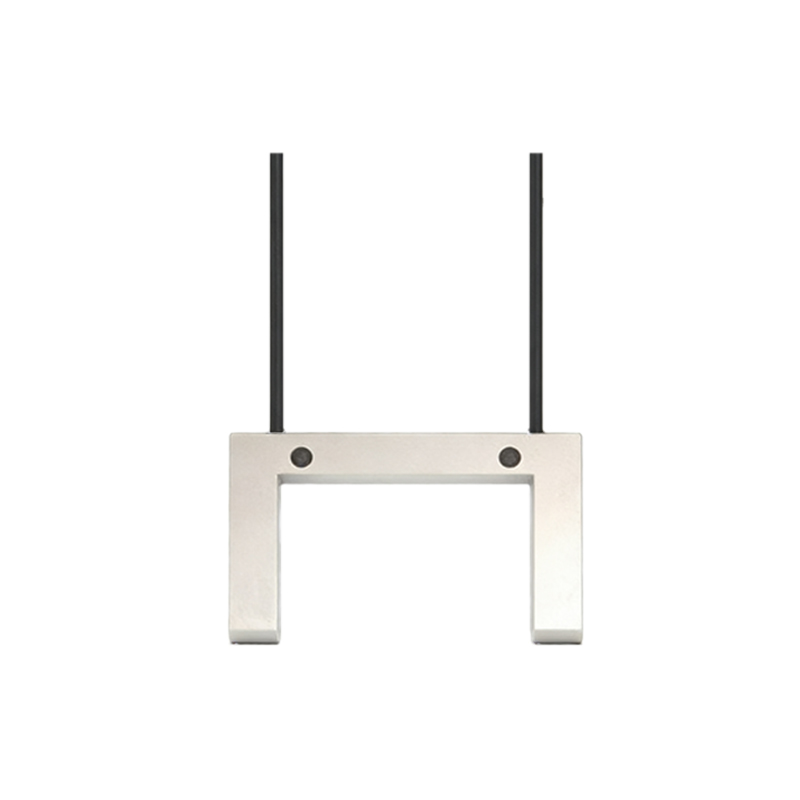
Interpreting the Three Status Indicators
Understanding what each light signifies is crucial for effective implementation. The steady illumination of the green power light confirms that the sensor is receiving the correct voltage and is operational. The activation of the yellow output light indicates that the sensor's beam has been interrupted or reflected by a target object, and its internal relay or solid-state switch has been triggered, sending a signal to the PLC or controller. The red alarm light is the most critical diagnostic tool. It may illuminate under several conditions: excessive sensing distance beyond the rated range, severe contamination on the lens obstructing the light path, misalignment between the emitter and receiver, or an internal electronic failure. Some advanced models use blinking patterns on the red light to signify different specific error codes.
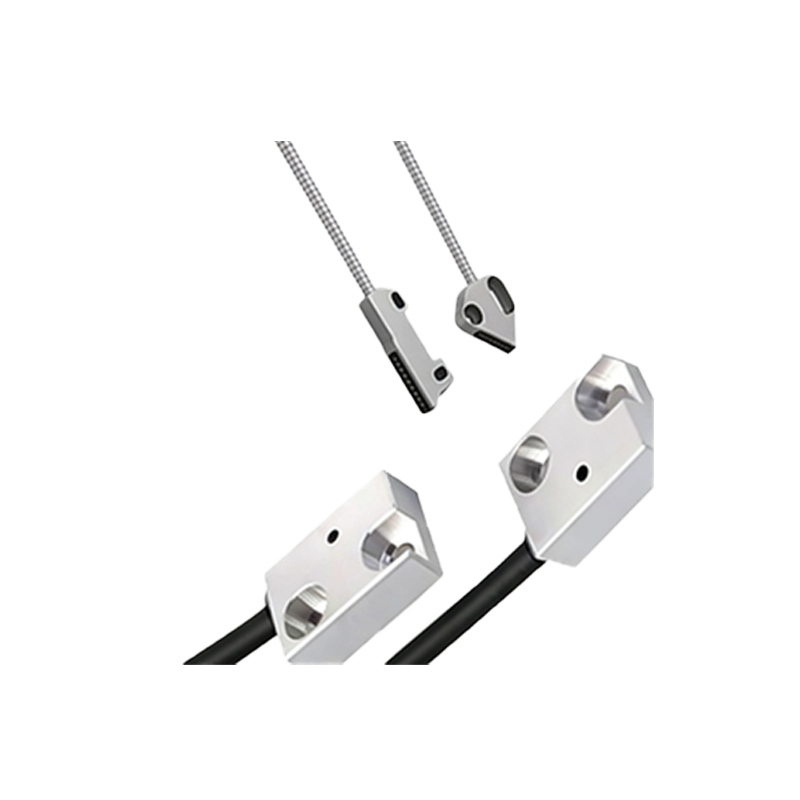
Key Advantages in Industrial Applications
The primary advantage of the three-light photoelectric sensor is its unparalleled diagnostic speed. In high-speed production lines, minimizing downtime is paramount. A technician can instantly identify a problem—whether it's a simple misalignment (suggested by a red light) or a correct detection cycle (indicated by a blinking yellow light)—without immediately resorting to multimeters or software diagnostics. This visual feedback loop simplifies maintenance, reduces mean time to repair (MTTR), and enhances overall system reliability. Furthermore, these sensors are highly versatile, used in applications ranging from object counting on conveyor belts and bottle cap detection in packaging to precise positioning in robotic assembly and safety curtain monitoring.
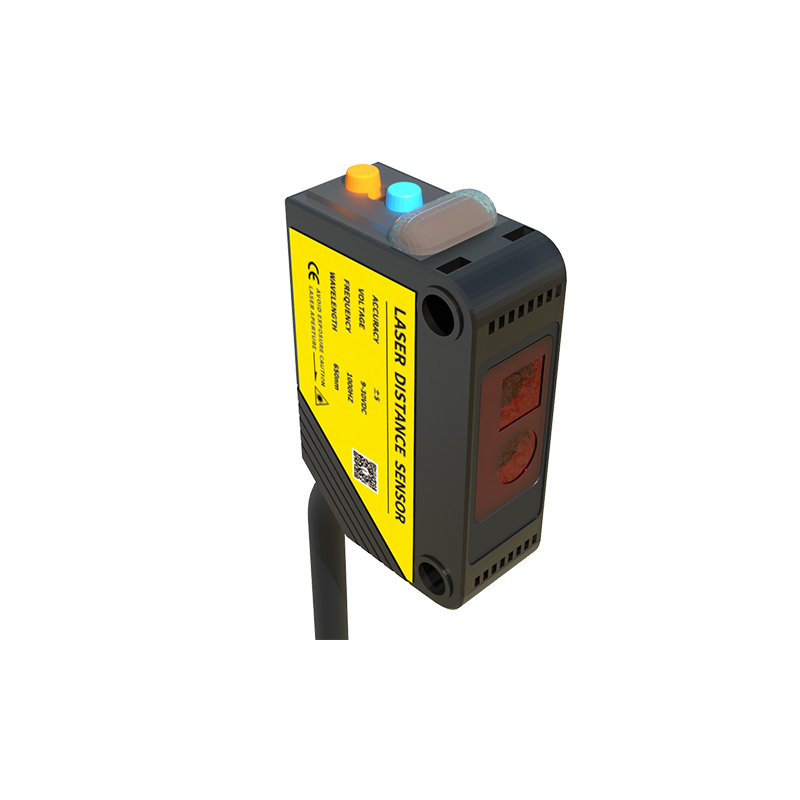
Selection Criteria and Installation Best Practices
Selecting the appropriate three-light sensor requires careful consideration of several technical parameters. The sensing range, beam type (through-beam, retro-reflective, or diffuse), response time, and output type (NPN/PNP, NO/NC) must match the application's demands. Environmental factors are equally critical; sensors with IP67 or higher ratings are necessary for washdown or dusty areas. During installation, precise alignment is essential for through-beam and retro-reflective types. Engineers should utilize the sensor's own indicator lights during setup: a stable green light confirms power, while the behavior of the yellow light during target presentation verifies correct alignment and sensing. Always ensure the lens remains clean and free from obstructions to prevent false red alarm triggers.
Common Troubleshooting Scenarios
Even with robust design, issues can arise. A constantly lit red alarm indicator typically points to an out-of-range condition or lens blockage. The first step is to clean the lens and verify the target is within the specified sensing distance. If the green power light is off, check the wiring, voltage supply, and polarity. If the green light is on but the yellow output light does not activate when an object is present, potential causes include misalignment, an incorrect sensing mode for the target's material or color, or a faulty output load. The three-light system guides this logical troubleshooting process, allowing for rapid isolation of the fault domain—power, sensing field, or output circuit.
Future Trends and Integration
The evolution of photoelectric sensors continues towards greater intelligence and connectivity. Modern three-light sensors are increasingly incorporating IO-Link capability, which allows the detailed status information (beyond the three basic lights) to be communicated digitally to a central control system. This enables predictive maintenance, as data on lens contamination levels or gradual signal degradation can be monitored over time. The fundamental principle of the three visual indicators, however, remains a vital, user-friendly feature. It serves as an immediate, on-site human-machine interface (HMI), ensuring that these sensors remain indispensable tools for electrical engineers designing and maintaining efficient, fault-resistant automation systems.