Introduction to Proximity Photoelectric Sensing
In the high-speed, automated world of modern logistics, the reliable detection of objects on conveyor lines is paramount. Proximity photoelectric sensors have emerged as a critical component in this domain, offering non-contact, precise detection capabilities essential for sorting, counting, positioning, and process control. Unlike mechanical limit switches, these sensors use light beams to detect the presence, absence, or distance of an object, ensuring minimal wear and tear and high operational longevity. Their fundamental principle involves an emitter that projects a light beam—typically infrared, visible red, or laser—and a receiver that detects changes in the received light signal caused by an interrupting object.
Core Operating Principles and Technologies
Proximity photoelectric sensors operate primarily in three modes: through-beam, retro-reflective, and diffuse reflective. Through-beam sensors consist of separate emitter and receiver units. They offer the longest sensing ranges and highest reliability, as the receiver directly detects the beam from the emitter; an object is sensed when it breaks this beam. Retro-reflective sensors house both emitter and receiver in a single housing, using a reflector to bounce the light beam back. They are ideal for detecting objects that may not fully break a through-beam. Diffuse reflective sensors, also self-contained, detect light reflected directly off the target object itself. This mode is highly suitable for detecting objects at close range and is commonly used for label detection or distinguishing colors with specialized models.
Key Selection Criteria for Logistics Applications
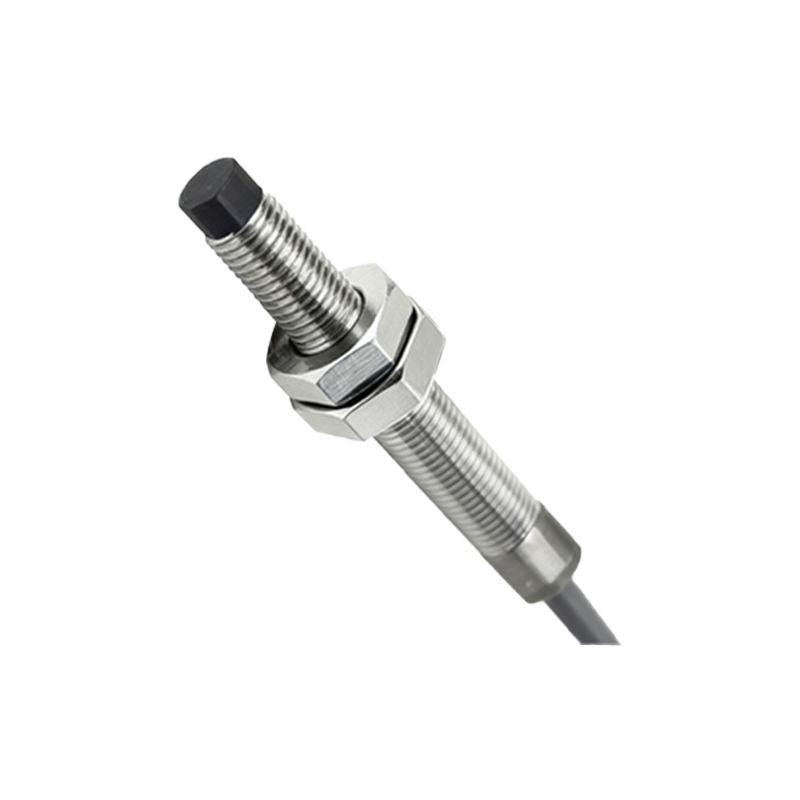
Selecting the appropriate sensor requires a detailed analysis of the application. Key parameters include sensing range, response time, and environmental robustness. For high-speed parcel sorting, a fast response time (often in microseconds) is non-negotiable to maintain throughput. The sensing range must accommodate the physical layout of the conveyor and the size of the targets. Environmental factors are crucial; sensors must be rated with adequate Ingress Protection (IP) codes (e.g., IP67, IP69K) to withstand dust, moisture, and high-pressure washdowns common in logistics hubs. Furthermore, the housing material, typically stainless steel or ruggedized plastic, must resist physical impacts and chemical exposure.
Advanced Features for Enhanced Performance
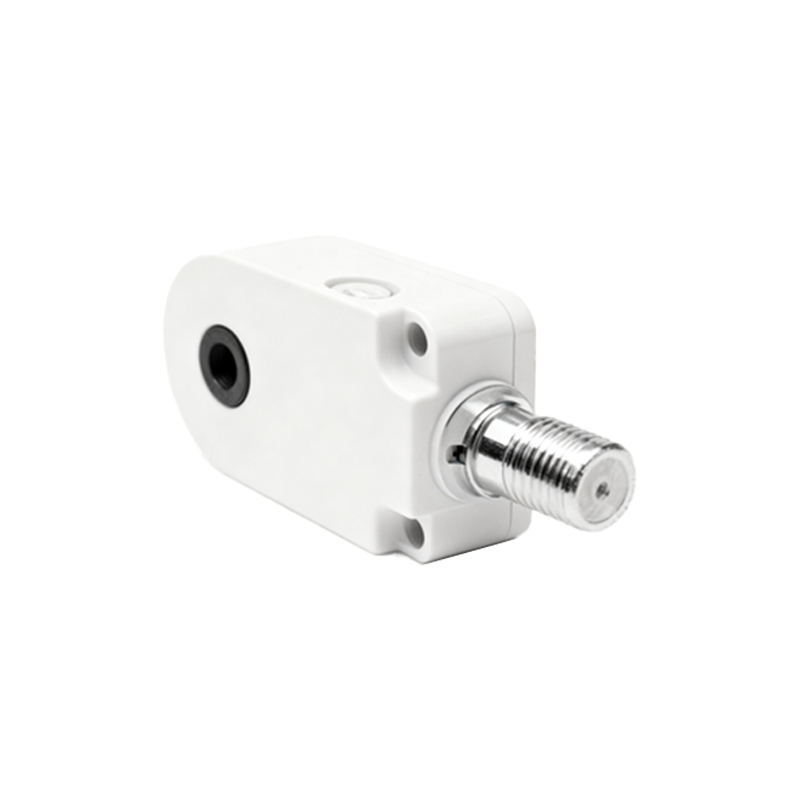
Modern proximity photoelectric sensors incorporate advanced features that solve complex logistical challenges. Background suppression technology allows a diffuse sensor to ignore objects beyond a set distance, precisely detecting items on a conveyor regardless of the belt color or background. Fiber optic versions enable sensing in extremely tight spaces or high-temperature zones by using flexible light guides. Synchronization function (or mutual interference prevention) is vital when multiple sensors are mounted in close proximity, preventing crosstalk between their beams. Additionally, built-in diagnostics via LED indicators or IO-Link communication provide real-time health monitoring and simplify maintenance.
Integration and Communication in Automated Systems
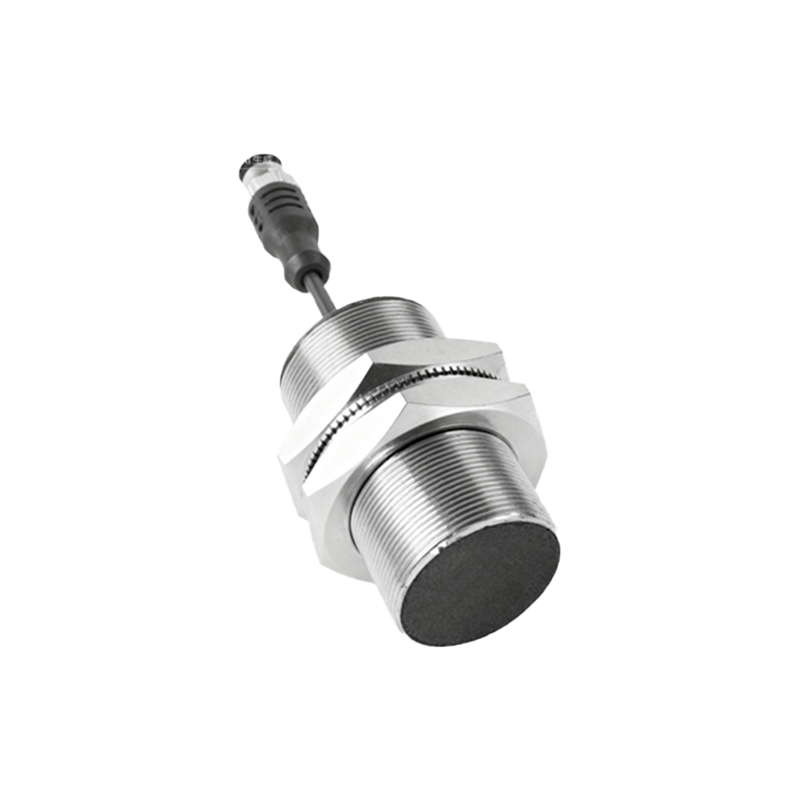
Integration into a broader control system is a critical step. Most sensors offer standard output types like PNP/NPN transistor or relay contacts, compatible with Programmable Logic Controllers (PLCs). The rise of Industry 4.0 has increased the adoption of smart sensors with IO-Link communication. This point-to-point serial protocol allows for bidirectional data exchange, enabling remote configuration, parameter adjustment, and the transmission of detailed process and diagnostic data to higher-level systems. This facilitates predictive maintenance, reduces downtime, and allows for dynamic process optimization based on real-time sensor feedback.
Common Challenges and Troubleshooting Practices
Despite their reliability, sensors can face issues. False triggering is a frequent problem, often caused by ambient light interference, reflective surfaces, or crosstalk. Solutions include using modulated light sources, polarizing filters (for retro-reflective models), or physical barriers. Lens contamination from dust or grime is another major cause of failure, emphasizing the need for correct IP ratings and regular cleaning schedules. Electrical noise from motors or variable frequency drives can disrupt signals, necessitating proper shielding and grounding. A systematic approach to troubleshooting—checking power supply, alignment, lens condition, and environmental factors—is essential for rapid resolution.
Future Trends and Industry Outlook
The evolution of proximity photoelectric sensors is closely tied to advancements in logistics automation. Future trends point towards miniaturization, allowing for installation in increasingly compact machinery. Enhanced intelligence through integrated microprocessors will enable more sophisticated functions like edge-based decision-making and adaptive sensing. Furthermore, the integration of time-of-flight (ToF) technology in photoelectric sensors is blurring the lines with distance measurement sensors, providing both presence detection and precise dimensional data for volumetric scanning and robotic guidance. These advancements will continue to drive efficiency, accuracy, and flexibility in global supply chain operations.