Introduction to Yifengda Photoelectric Sensors
In the intricate landscape of industrial automation, the role of photoelectric sensors is paramount. These devices, which detect the presence, absence, or distance of objects using a light transmitter and receiver, are the silent sentinels of modern manufacturing. Among the leaders in this critical field is Yifengda, a company that has carved a reputation for engineering sensors that combine exceptional precision, rugged durability, and innovative design. Yifengda photoelectric sensors are engineered to meet the rigorous demands of diverse applications, from packaging and material handling to automotive assembly and logistics. Their commitment to quality and technological advancement makes them a preferred choice for engineers and system integrators worldwide who seek to enhance efficiency, safety, and productivity on the factory floor.
Core Technology and Operating Principles
Yifengda photoelectric sensors operate on well-established optical principles but are distinguished by their refined execution. The core technology involves emitting a beam of light—typically infrared, visible red, or laser—from an emitter. A photoelectric receiver then detects changes in this light beam caused by the target object. Yifengda offers three primary sensing modes: through-beam, retro-reflective, and diffuse reflective. Through-beam sensors, with separate emitter and receiver units, provide the longest sensing ranges and highest reliability. Retro-reflective models use a reflector to bounce the light back to a combined unit, offering a practical balance of range and ease of installation. Diffuse reflective sensors detect light reflected directly from the object itself, ideal for close-range applications and color detection. Yifengda continuously refines these technologies, incorporating advanced lenses and signal processing algorithms to ensure stable detection even in challenging environments with ambient light interference or on highly reflective or absorbent surfaces.
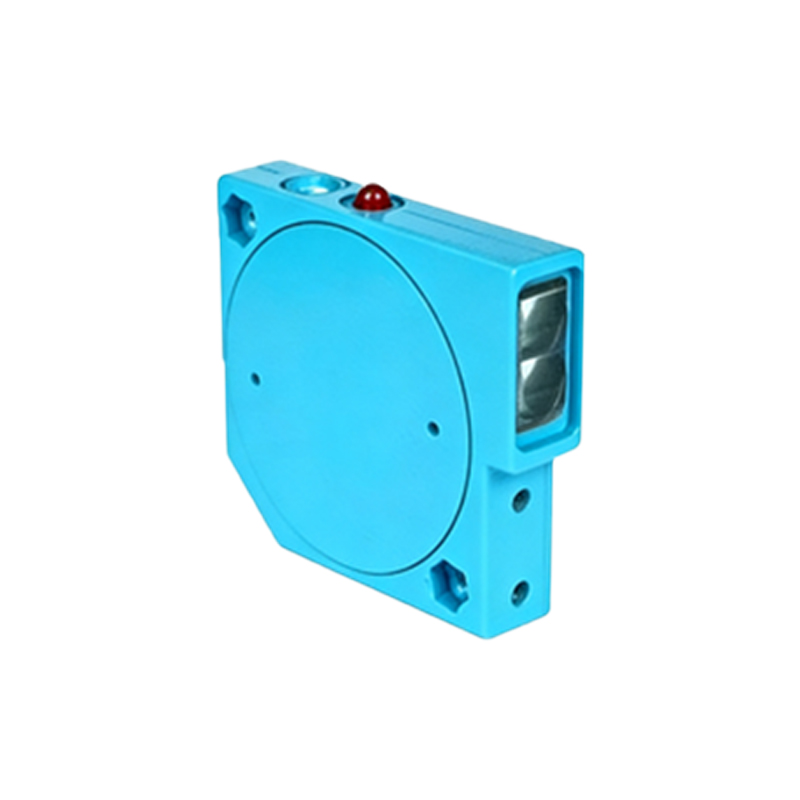
Key Product Features and Specifications
The product portfolio of Yifengda photoelectric sensors is characterized by a set of robust features designed for industrial endurance. Many models boast high IP ratings (such as IP67 and IP69K), ensuring complete protection against dust ingress and high-pressure water jets, which is crucial for washdown environments in food and beverage or pharmaceutical industries. They offer a wide range of sensing distances, from a few millimeters to several meters, catering to various spatial constraints. Response times are exceptionally fast, often in the microsecond range, enabling high-speed counting and positioning tasks. Furthermore, Yifengda sensors frequently include intelligent functions like teach-in programming for easy setup, background suppression for precise distance-based detection, and built-in diagnostics with visible LED indicators. The housings are typically constructed from high-grade stainless steel or rugged plastics, resistant to chemicals, oils, and physical impacts.
Application Scenarios in Modern Industry

The versatility of Yifengda photoelectric sensors finds application across a broad spectrum of industrial sectors. In automated packaging lines, they accurately detect product presence on conveyors, control filling levels, and verify label placement. Within the automotive industry, these sensors are indispensable for robot guidance, part verification in assembly stations, and ensuring door and panel alignment. In material handling and warehouse automation, they facilitate palletizing, sortation, and inventory management by detecting objects on high-speed conveyors and guiding automated guided vehicles (AGVs). Additional critical applications include break detection in textile and paper manufacturing, edge guiding in printing and converting machinery, and ensuring safety by monitoring guard door positions. Their reliability ensures minimal downtime and consistent operation in these mission-critical processes.

Advantages Over Competing Solutions
Choosing Yifengda photoelectric sensors presents several distinct advantages. First is their renowned reliability and long service life, which reduces maintenance costs and total cost of ownership. The precision and stability of detection minimize false triggers and production errors. Second, their design often emphasizes ease of installation and integration, with versatile mounting options and clear, intuitive setup procedures. Third, Yifengda provides strong technical support and a comprehensive product range, allowing customers to find a tailored solution for nearly any sensing challenge. Compared to mechanical limit switches or other sensing technologies like ultrasonic sensors, Yifengda photoelectric sensors offer non-contact, wear-free operation with higher speed and precision, making them a superior choice for modern, high-throughput automation environments.
Future Trends and Yifengda's Innovation Path
The future of industrial sensing is moving towards greater connectivity, intelligence, and miniaturization. Yifengda is actively positioning itself at the forefront of these trends. The integration of IO-Link communication protocol into their sensors is a significant step, enabling detailed parameter setting, remote monitoring, and predictive maintenance data directly from the sensor to the control system. Developments in miniaturization allow for sensors to be installed in increasingly compact machinery. Furthermore, advancements in laser technology and spectral analysis may lead to next-generation sensors capable of more sophisticated tasks like material identification or surface quality inspection. Yifengda's ongoing investment in research and development ensures that their photoelectric sensors will continue to evolve, providing the smart, connected sensing solutions required by Industry 4.0 and the factories of the future.