Introduction to Photoelectric Sensors
Photoelectric sensors are versatile devices used across countless industrial and commercial applications for detection, counting, and positioning. They operate by emitting a light beam (typically LED-based infrared, red, or laser) and detecting changes in the received light signal. The core principle involves the interruption or reflection of this beam by a target object. Their non-contact nature makes them ideal for detecting fragile, hot, or fast-moving items without physical wear. Small photoelectric sensors, in particular, have become indispensable in modern automation due to their compact size, allowing for installation in tight spaces where traditional sensors cannot fit. They offer high precision and reliability while consuming minimal power, making them a cornerstone of efficient machine design and process control.
Key Sensing Modes Explained
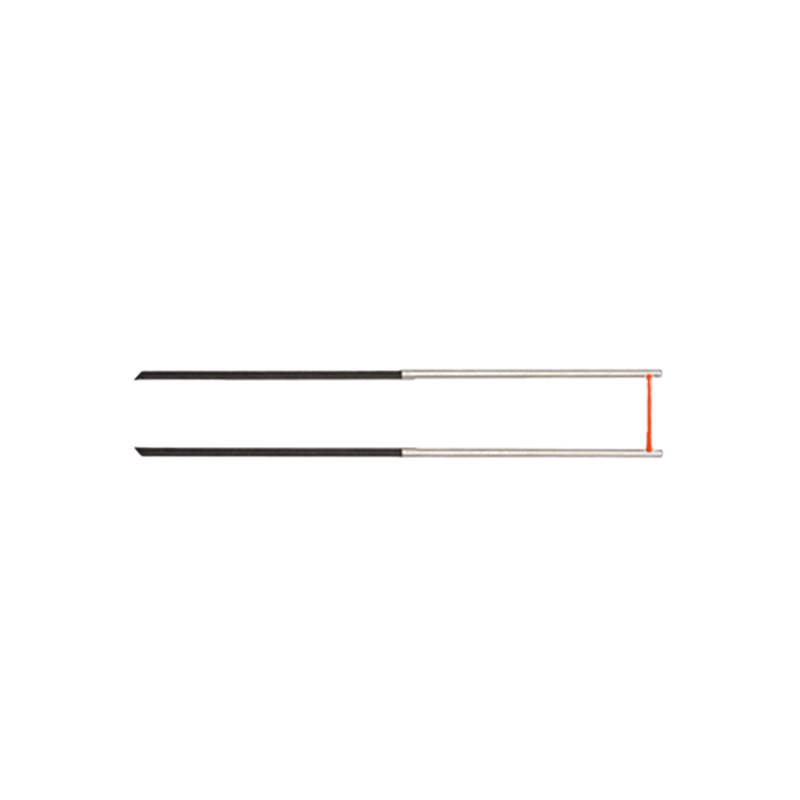
Understanding the different sensing modes is crucial for selecting the correct sensor model. The three primary types are through-beam, retro-reflective, and diffuse reflective. Through-beam sensors consist of separate emitter and receiver units. The object is detected when it breaks the light beam between them. This mode offers the longest sensing range and highest reliability, as it is largely immune to the object's color, texture, or reflectivity. Retro-reflective sensors house both emitter and receiver in a single housing. They use a reflector to bounce the light beam back. Detection occurs when an object interrupts this return path. These are easier to install than through-beam models but require a specific reflector. Diffuse reflective sensors also have a single housing, but they detect light reflected directly off the target object itself. Their sensing distance is shortest and can be influenced by the object's color and surface finish, but they require no separate reflector, simplifying setup.
Popular Small Photoelectric Sensor Models and Series
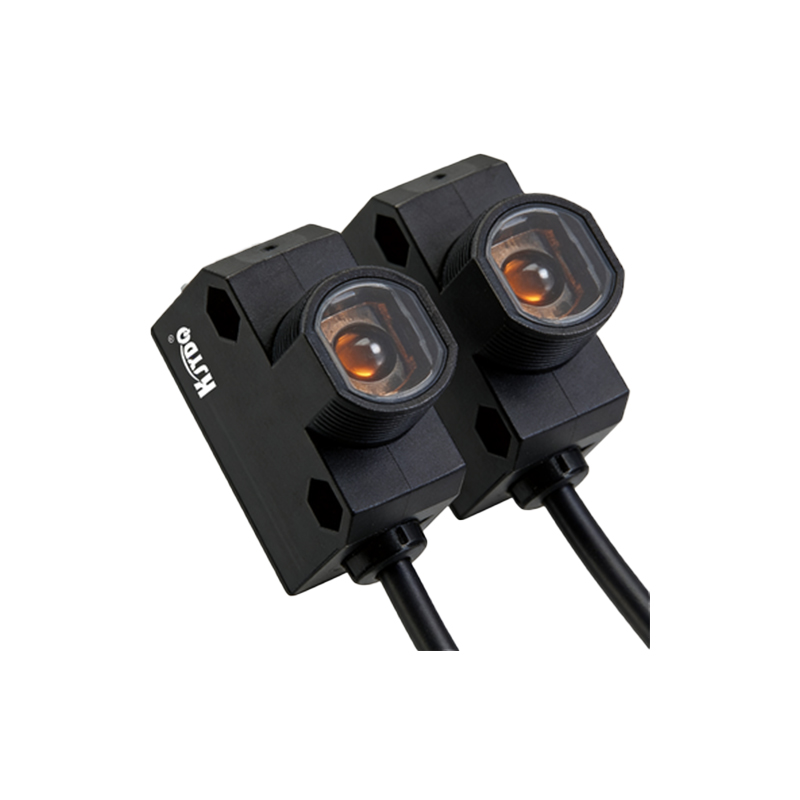
The market offers a wide array of compact photoelectric sensor series from leading manufacturers. Omron's E3Z and E3S-C series are renowned for their ultra-compact rectangular and cylindrical bodies, offering all sensing modes with background suppression features in some models for precise detection regardless of color. Keyence's PM and FS series provide high-performance micro-sensors with advanced functions like precise beam spots and built-in amplifiers, ideal for miniature part detection. Sick's WTT and W4 series are known for robust metal housings and high environmental resistance (IP67/IP69K), suitable for harsh washdown environments. Banner's QS18 and SM series offer versatile, economical options with a vast range of configurations, including modular designs. Panasonic's EX-10 and FX-300 series feature miniature sizes with powerful programmable logic for complex sensing tasks. Each series encompasses numerous specific models varying in sensing distance, light source (red, infrared, laser), output type (NPN/PNP, analog), and connection method (pre-wired, connector).
Critical Technical Specifications for Selection
Choosing the right model requires careful analysis of technical parameters. Sensing distance, often listed as 'standard' and 'assured', is paramount. Consider the required operating range with a safety margin. Response time indicates how quickly the sensor can detect a change and switch its output; high-speed applications demand microsecond response times. Light source choice matters: red light is visible for easy alignment, infrared offers longer range and is invisible, while laser provides a precise, collimated beam for tiny object detection. Output configuration must match the control system: NPN (sinking) or PNP (sourcing) transistor outputs are standard. The housing material (plastic or metal) and Ingress Protection (IP) rating (e.g., IP67) determine environmental durability against dust, water, and chemicals. Supply voltage range (commonly 10-30V DC) and current consumption are also vital for system design.
Application Examples in Automation
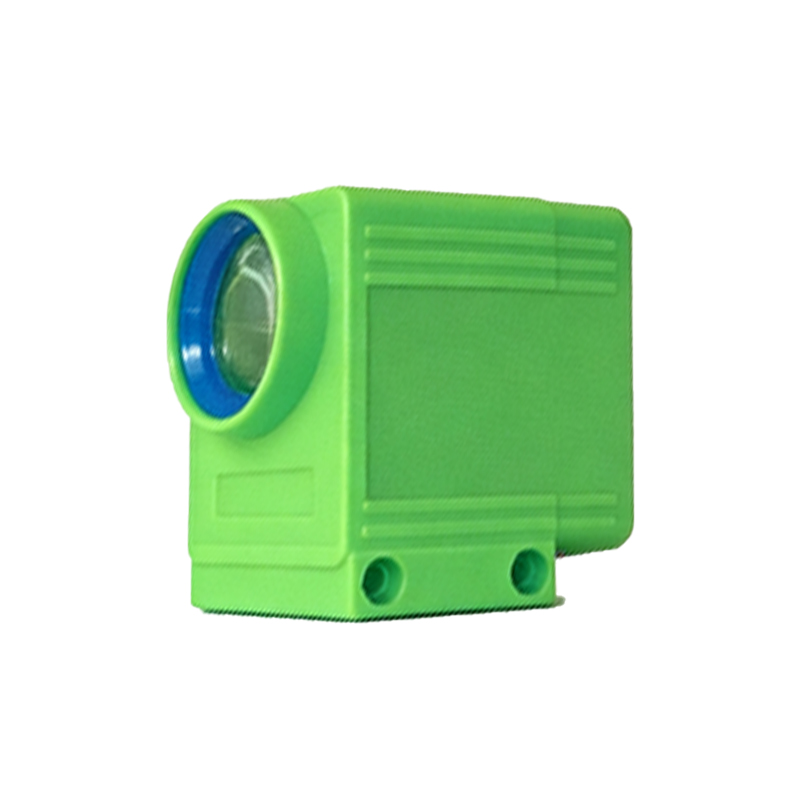
Small photoelectric sensors solve diverse challenges in automated systems. In packaging machinery, they detect the presence of labels on products, verify cap placement on bottles, and count items on high-speed conveyors. Within electronic assembly, micro-sensors verify the insertion of tiny components on PCBs or detect the lead frame position in chip mounters. In material handling, they provide precise positioning for robotic arms picking items from a belt or act as jam detectors in narrow chutes. The food and beverage industry utilizes sensors with stainless steel housings and high-pressure ratings to detect fill levels in containers or control packaging film feed. Their small size allows them to be integrated directly into grippers, actuator heads, and other moving parts of machinery.
Installation and Alignment Best Practices
Proper installation is key to reliable operation. Ensure the sensor is securely mounted to minimize vibration effects. For through-beam types, precise alignment of the emitter and receiver is critical; use alignment tools or indicators often built into the sensor. For retro-reflective models, ensure the reflector is clean and correctly angled. With diffuse sensors, account for the sensing distance variation based on the target's color and finish by performing teach-in or sensitivity adjustment if the model supports it. Always consider potential optical interference from ambient light, reflective backgrounds, or dirty lenses. Using sensors with modulated LED light and synchronous detection circuits can mitigate ambient light issues. Provide adequate electrical protection against voltage spikes and ensure correct wiring according to the datasheet to prevent damage.
Maintenance and Troubleshooting Tips
Regular maintenance ensures long-term sensor performance. Keep lenses clean from dust, oil, or debris using a soft cloth. Periodically check mounting hardware for tightness. Common issues include failure to detect. First, verify power supply and wiring connections. Check for physical misalignment, especially after machine vibration or impact. Inspect for obstructions in the beam path or a dirty lens/reflector. Use the sensor's built-in stability indicator (often an LED) to check signal strength. If the sensor detects intermittently, the target might be at the limit of the sensing range, or the sensitivity may need adjustment. Environmental factors like condensation, extreme temperatures, or strong ambient light can also cause problems. Consulting the sensor's manual for diagnostic procedures is always recommended.