Introduction to Proximity Sensors in Automation
Proximity sensors are fundamental components in modern industrial automation, designed to detect the presence or absence of objects without physical contact. These devices operate by emitting an electromagnetic field or a beam of radiation, and then monitoring changes in the field or return signal. Widely used in manufacturing, robotics, and safety systems, proximity sensors enhance efficiency by enabling precise control and reducing mechanical wear. Their non-contact nature ensures reliability in harsh environments where dust, moisture, or high temperatures might compromise traditional switches. As automation evolves, the role of proximity sensors becomes increasingly critical for smart factories and IoT applications, driving innovations in sensor technology.
Core Operating Principles of Inductive Sensors
Inductive proximity sensors are specifically tailored for detecting metallic objects. They function based on electromagnetic induction, where an oscillator generates a high-frequency alternating magnetic field from a coil wound around a ferrite core. When a conductive metal object enters this field, eddy currents are induced on the object's surface, causing a change in the oscillation amplitude. This alteration is detected by a threshold circuit, which triggers an output signal to indicate the object's presence. Inductive sensors are ideal for applications involving ferrous or non-ferrous metals, offering high repeatability and resistance to environmental factors like oil or dirt. Common uses include position sensing in conveyor systems or part detection in assembly lines.
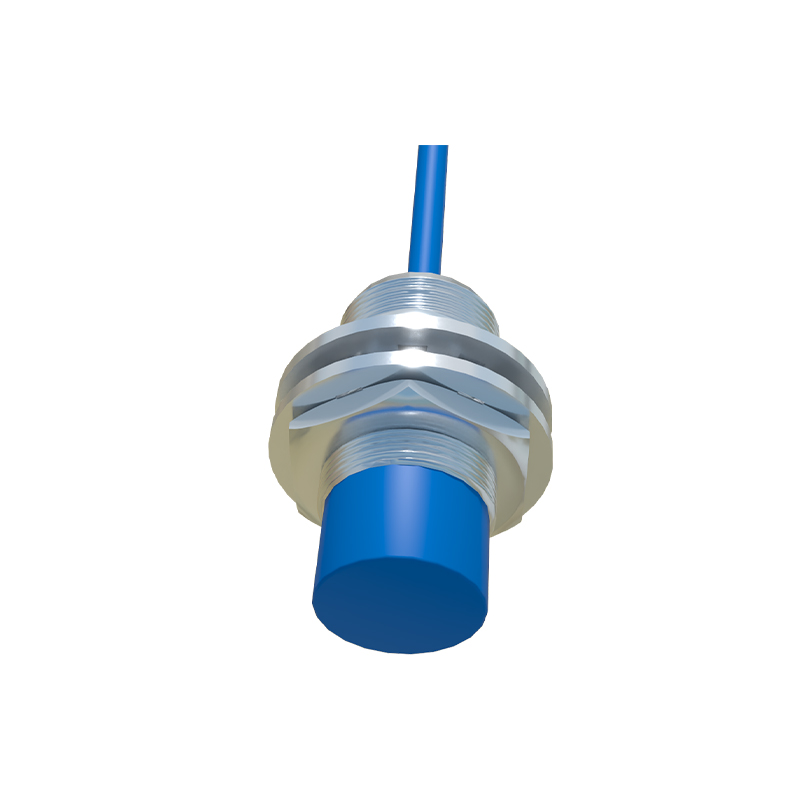
Capacitive Proximity Sensor Mechanisms
Capacitive proximity sensors can detect both metallic and non-metallic materials, including liquids, plastics, and wood. They operate by measuring changes in capacitance between the sensor's electrode and the target object. The sensor generates an electrostatic field, and when an object enters this field, it alters the dielectric constant, leading to a capacitance shift. This change is processed by an internal circuit to activate an output. Capacitive sensors are versatile, suitable for level detection in tanks, material handling, or packaging industries. However, they may be sensitive to environmental variables like humidity, requiring careful calibration to avoid false triggers in dynamic settings.
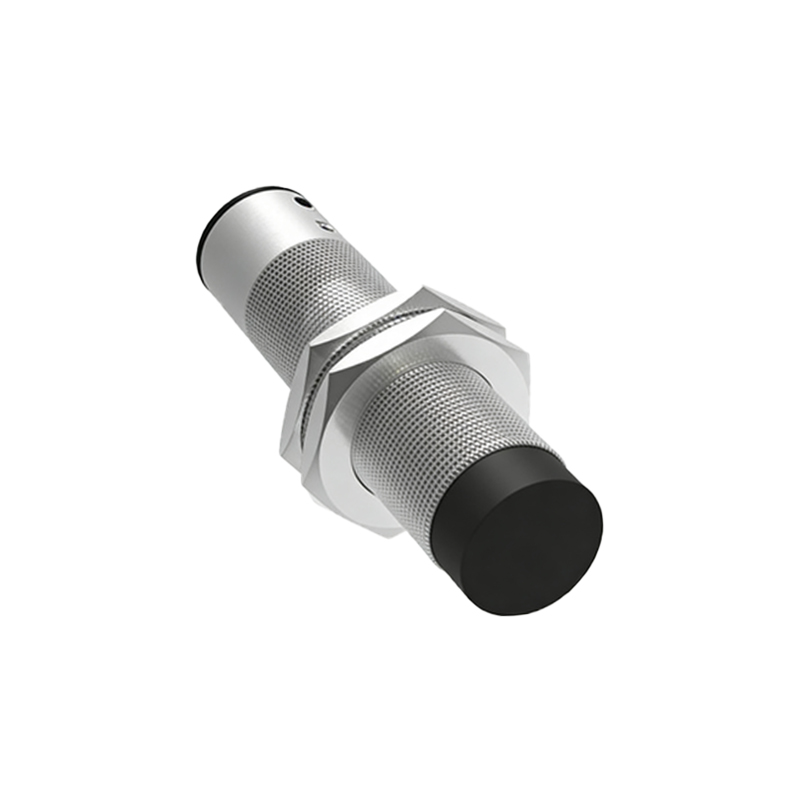
Ultrasonic and Photoelectric Sensor Technologies
Ultrasonic proximity sensors use sound waves beyond human hearing to detect objects. They emit ultrasonic pulses and measure the time taken for echoes to return after hitting a target. By calculating the distance based on sound speed, these sensors provide accurate detection regardless of material color or transparency. Photoelectric sensors, on the other hand, rely on light beams—typically infrared or laser—to sense objects. They consist of an emitter and receiver; when an object interrupts or reflects the light beam, the receiver detects the change and outputs a signal. Both types are effective for long-range detection and complex environments, such as in automotive or food processing industries.
Key Selection Criteria for Industrial Applications
Choosing the right proximity sensor depends on several factors, including detection range, target material, environmental conditions, and output requirements. Inductive sensors are best for short-range metal detection, while capacitive sensors handle diverse materials at medium ranges. Ultrasonic and photoelectric sensors offer longer ranges but may be affected by factors like temperature or ambient light. Engineers must also consider mounting options, response time, and connectivity with PLCs or control systems. Proper selection ensures optimal performance, minimizing downtime and maintenance costs in automated processes.
Future Trends and Innovations in Sensor Technology
The future of proximity sensors in automation is shaped by advancements in miniaturization, wireless connectivity, and AI integration. Smart sensors with embedded diagnostics can predict failures and communicate data via IoT networks, enabling predictive maintenance. Developments in materials science may lead to more robust sensors for extreme conditions, while enhanced algorithms improve accuracy in multi-object detection. As Industry 4.0 gains momentum, proximity sensors will play a pivotal role in creating adaptive, self-optimizing systems that boost productivity and safety across global industries.