Introduction to Photoelectric Sensor Housings
The physical form, or housing, of a photoelectric sensor is a critical design consideration that directly impacts its performance, installation, and suitability for specific industrial applications. Far from being merely a protective shell, the housing dictates the sensor's environmental resilience, mounting options, beam characteristics, and ease of alignment. Engineers and system integrators must understand the common housing types to select the optimal sensor for tasks ranging from object detection and counting to level sensing and precision positioning. The choice between a cylindrical, rectangular, slot, or ring-style housing is often the first step in the specification process, setting the stage for reliable and efficient automation.
Cylindrical Threaded Housings
Cylindrical sensors, characterized by their threaded metal or polymer barrels, are among the most ubiquitous types in industrial settings. Typically ranging from M8 to M30 in diameter, these housings are designed for easy installation into standard mounting nuts or drilled holes. Their robust construction often provides high ingress protection ratings, such as IP67 or IP69K, making them resistant to dust, water jets, and washdowns common in food and beverage or pharmaceutical environments. The cylindrical shape allows for versatile mounting and the threading enables precise adjustment of the sensing head's angle and depth after installation. They are commonly used for diffuse, retro-reflective, and through-beam sensing modes where a compact, rugged point sensor is required.
Rectangular or Block-Style Housings
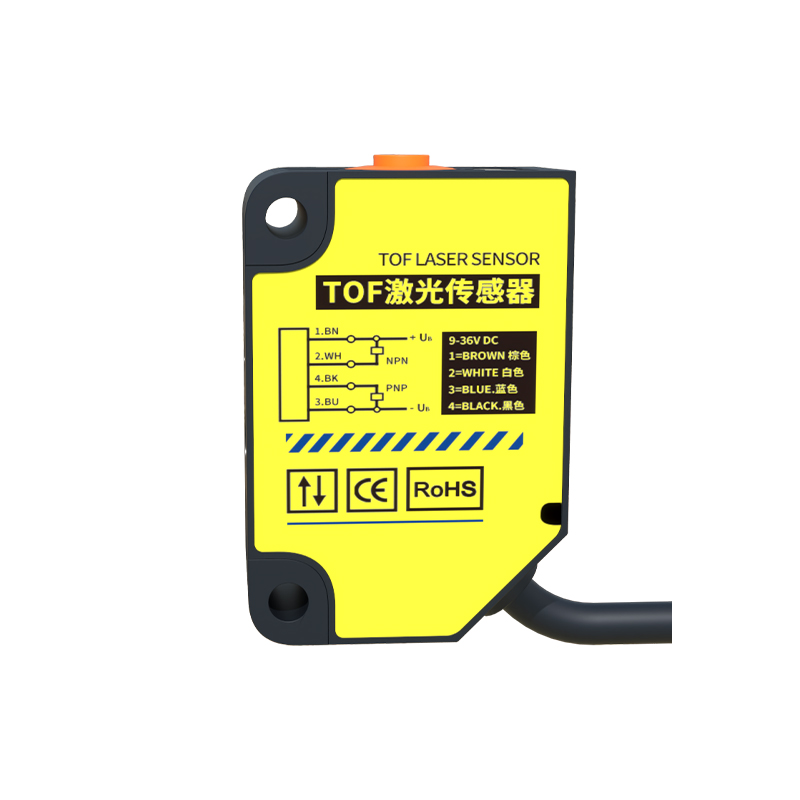
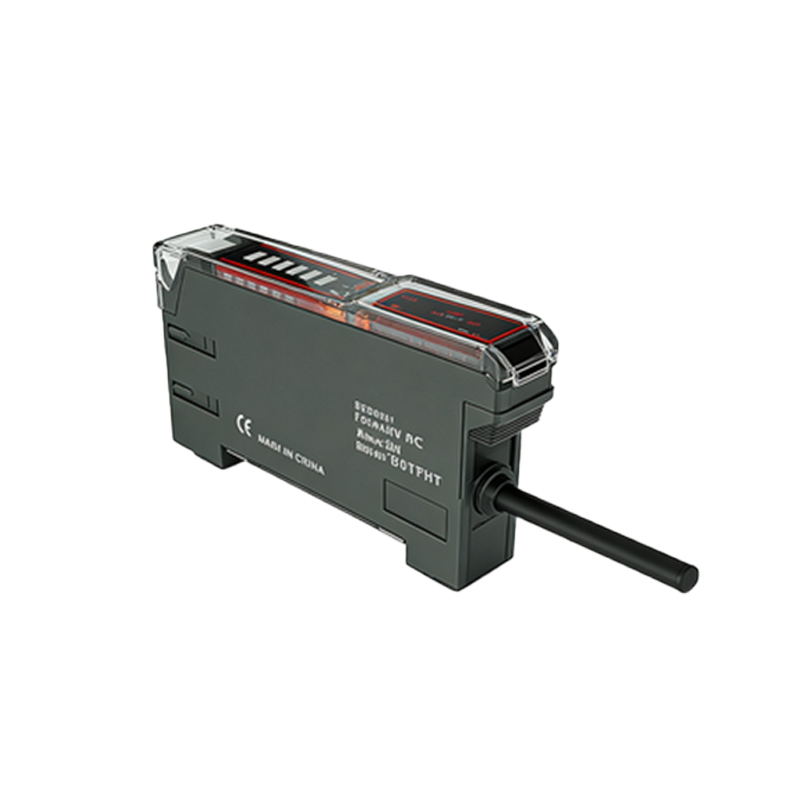
Rectangular housings offer a larger internal volume, which can accommodate more advanced electronics, additional output options, or powerful sensing capabilities. This form factor often features integrated mounting brackets, slots, or holes for secure attachment to machinery. Many rectangular sensors come with built-in alignment indicators, such as signal strength LEDs, which are highly visible and simplify setup. The flat faces provide ample space for display screens, push-button controls, and connection ports. These sensors are frequently employed in applications requiring longer sensing ranges, background suppression, or complex logic functions. Their shape is also conducive to creating arrays or multi-sensor banks on a single assembly line.
Slot or Fork-Style Housings
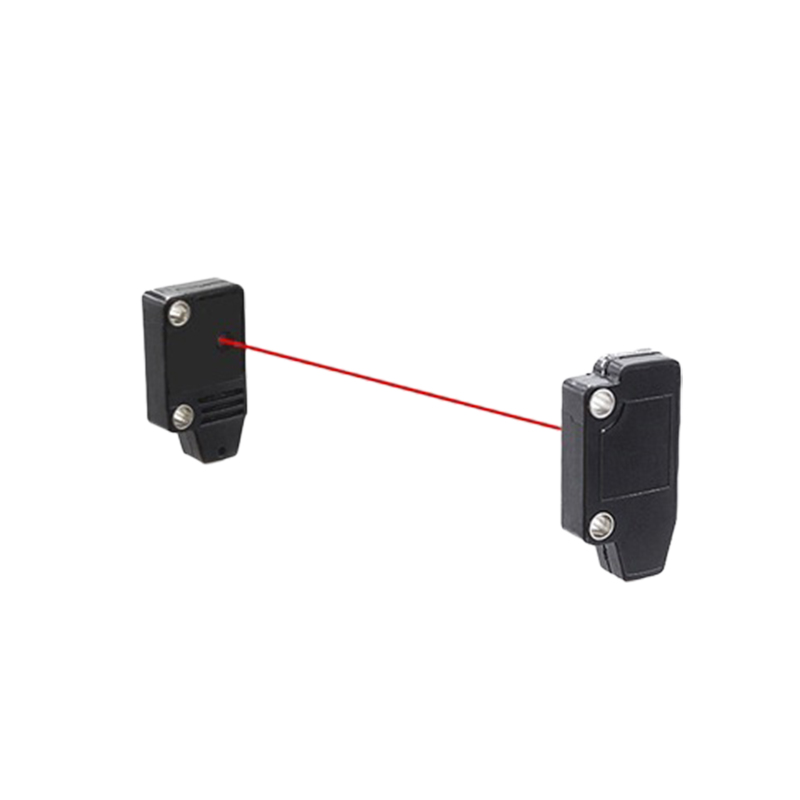
Slot sensors, also known as fork or U-shaped sensors, integrate the emitter and receiver into a single housing, facing each other across a precise gap. This built-in through-beam configuration creates a highly reliable sensing "curtain." Objects are detected when they break the light beam traversing the slot. The key advantage of this housing is the elimination of separate alignment for the transmitter and receiver, ensuring consistent performance and resistance to optical misalignment due to vibration. Slot sensors are ideal for detecting small objects, verifying the presence of tabs or notches on parts, counting items on a conveyor, or sensing the edge of materials like paper or film.
Ring and Frame-Style Housings
Ring sensors are specialized housings where the emitter and receiver form a continuous ring around an aperture. The object to be detected passes directly through the center of the ring. This design is perfect for applications involving wires, cables, fasteners, or bottles on a production line, where the sensor must detect the object without physical contact and regardless of object surface characteristics. Larger frame-style housings create a rectangular "light curtain" used for area safeguarding, pallet profiling, or detecting oversized objects at entry/exit points. These housings are engineered for mechanical strength to withstand potential impacts in demanding material handling environments.
Factors Influencing Housing Selection
Selecting the appropriate housing extends beyond mere physical fit. Key factors include the available mounting space and orientation; the required sensing range and beam pattern; the environmental conditions (exposure to chemicals, temperature extremes, particulates); the need for easy alignment and maintenance; and regulatory requirements for safety or hygiene. For instance, a stainless-steel cylindrical housing might be chosen for a corrosive environment, while a plastic rectangular housing with a visible display could be preferred for a clean, operator-accessible setting. The housing is the first line of defense for the sensitive optical and electronic components inside.
Conclusion and Integration Considerations
In summary, the diversity of photoelectric sensor housings—cylindrical, rectangular, slot, and ring—provides engineers with tailored solutions for virtually any detection challenge. The housing is an integral part of the sensor's functional design, influencing not just protection but also optical performance and integration ease. A thorough evaluation of the application's mechanical, environmental, and operational requirements against the strengths of each housing type is essential for achieving long-term reliability, minimizing downtime, and ensuring the overall efficiency of the automated system. Proper selection at this stage lays a solid foundation for successful implementation.