Introduction to Harness Proximity Sensors
In the intricate world of electrical engineering and automation, the reliability of signal and power transmission is paramount. This reliability hinges significantly on the integrity of wiring harnesses—the organized assemblies of cables or wires that transmit signals or electrical power. A harness proximity sensor is a specialized device designed to monitor the physical position and integrity of these critical wiring assemblies. Its primary function is to detect the presence, absence, or displacement of a wiring harness or its protective conduit within a predefined zone. By providing real-time feedback on the harness's location, these sensors play a crucial preventative role, helping to avoid costly damage, signal interference, or complete system failure that can result from harness chafing, pinching, or unintended movement.
Core Operating Principles and Technologies
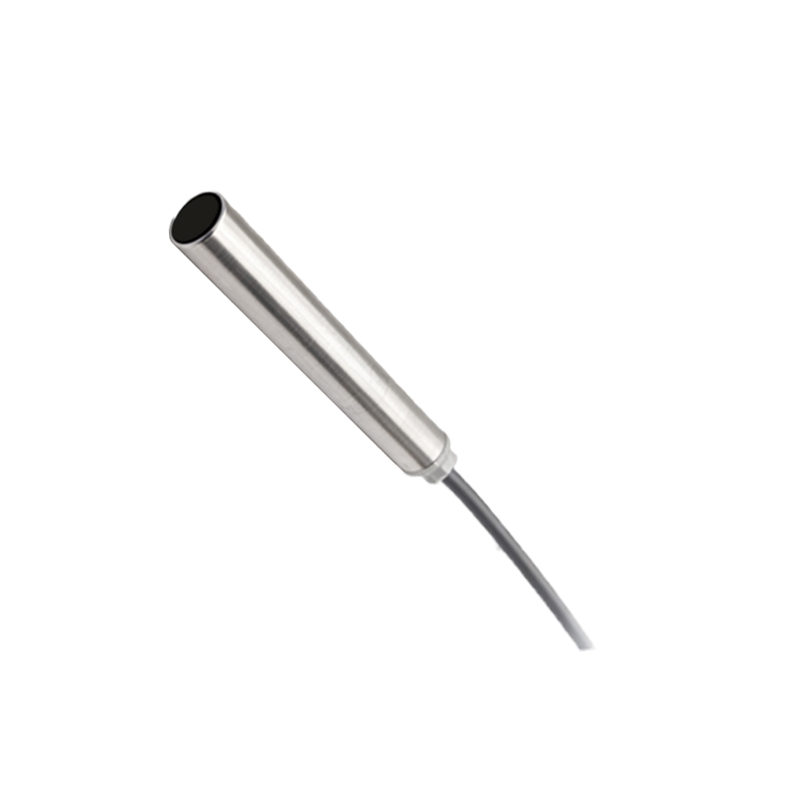
Harness proximity sensors operate on non-contact sensing principles, similar to standard proximity sensors, but are tailored for the specific application of monitoring cable bundles. The most common technologies employed are inductive and capacitive sensing. Inductive sensors generate an electromagnetic field and detect changes caused by the presence of metallic elements within the harness, such as shielding braids or conduit. Capacitive sensors, on the other hand, detect changes in an electrostatic field and can sense the presence of the harness materials themselves, including insulation. The sensor is typically mounted in a fixed location near the expected path of the harness. A stable output signal indicates the harness is within its proper tolerance zone, while a change in signal triggers an alert, indicating potential misalignment or strain.
Key Applications Across Industries
The application of harness proximity sensors spans numerous industries where machinery vibration, movement, or harsh environments threaten wiring integrity. In the automotive and aerospace sectors, these sensors are vital within engine compartments, landing gear assemblies, and along robotic manufacturing arms where constant motion can lead to fatigue and wear. Industrial automation heavily relies on them to protect the complex wiring in robotic cells and on large CNC machines. Furthermore, in renewable energy, such as wind turbines, sensors monitor the massive cable harnesses in the nacelle that experience significant torsion and movement, preventing failures that are difficult and expensive to repair.
Benefits for System Safety and Maintenance
Integrating harness proximity sensors delivers substantial benefits for operational safety and predictive maintenance. Firstly, they enhance safety by providing an early warning before a harness fails, potentially preventing short circuits, fires, or unexpected machine shutdowns. Secondly, they transition maintenance from a reactive to a predictive model. Instead of waiting for a failure, maintenance teams can schedule interventions based on sensor data indicating gradual harness drift or vibration. This proactive approach minimizes unplanned downtime, reduces repair costs by addressing issues early, and significantly extends the service life of both the harness and the overall system.
Design Considerations and Implementation
Successfully implementing a harness proximity sensor requires careful design consideration. Engineers must select the appropriate sensing technology (inductive vs. capacitive) based on the harness composition and the environmental conditions, such as temperature, humidity, and the presence of contaminants. The sensor's sensing range, mounting method, and housing material (often stainless steel or ruggedized polymers) must be chosen to withstand the specific operational stresses. Additionally, the sensor's output signal (e.g., PNP/NPN, analog, or IO-Link) must be compatible with the host control system to ensure seamless integration and effective data utilization for monitoring and alerts.
Future Trends and Integration with Industry 4.0
The future of harness proximity sensing is tightly linked with the evolution of Industry 4.0 and the Industrial Internet of Things (IIoT). Next-generation sensors are becoming smarter, featuring integrated diagnostics and digital communication protocols like IO-Link. This allows not only for state detection ("harness present/absent") but also for the transmission of detailed parametric data, such as signal strength or temperature near the harness. This data can be fed into centralized monitoring systems and analyzed with machine learning algorithms to predict failure points with even greater accuracy, enabling a truly condition-based maintenance strategy and further optimizing system resilience and operational efficiency.