Introduction to Ultrasonic Proximity Sensing Technology
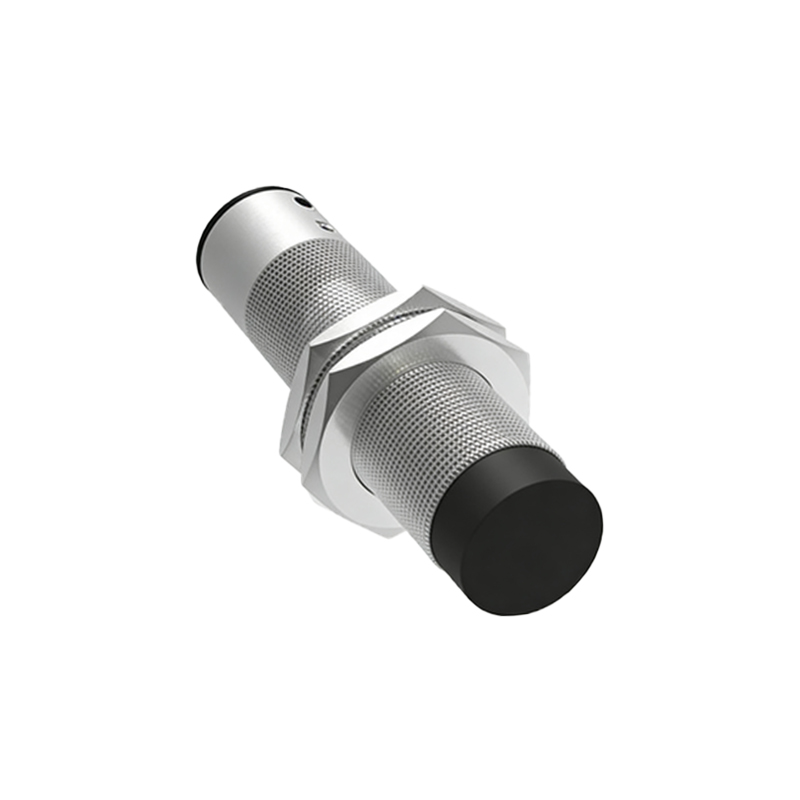
Ultrasonic proximity sensors operate by emitting high-frequency sound waves, typically above 20 kHz, which are inaudible to humans. These waves travel through the air until they encounter an object. Upon striking the object, the sound waves reflect back to the sensor. An internal transducer then receives these echoes. The sensor's electronic circuitry calculates the time interval between the emission and the reception of the sound wave. This time-of-flight measurement is precisely converted into a distance value. The fundamental principle is reliable and largely unaffected by factors like object color, transparency, or ambient light conditions, making it superior to optical methods in many challenging environments. This non-contact measurement technique forms the backbone of its widespread industrial adoption.
Liquid Level Measurement and Control
One of the most prevalent applications of ultrasonic sensors is in tank level monitoring. In water treatment plants, chemical processing facilities, and food & beverage industries, these sensors provide continuous, non-contact measurement of liquid levels. They are mounted at the top of a tank, directing sound waves downward toward the liquid surface. The sensor accurately determines the fill height by measuring the distance to the surface. This method is ideal for corrosive, adhesive, or sterile liquids where contact sensors might contaminate the product or fail due to material incompatibility. Advanced systems can interface with programmable logic controllers (PLCs) to automate filling processes, trigger alarms for high or low levels, and maintain inventory data.
Object Detection and Positioning in Automation
On automated production lines and robotic workcells, ultrasonic proximity sensors excel at detecting the presence, absence, or precise position of objects. They are routinely used for tasks such as counting bottles on a conveyor, verifying the placement of components in an assembly jig, or ensuring a robotic gripper has correctly picked up a part. Their ability to detect a wide range of materials—including glass, plastic, metal, and wood—regardless of surface color or shine, provides significant flexibility. In packaging machinery, they ensure cartons are properly positioned for sealing or labeling. Their robust performance in environments with dust, steam, or varying light conditions makes them a preferred choice over photoelectric sensors in many material handling applications.
Parking Assistance and Vehicle Safety Systems
The automotive industry extensively utilizes ultrasonic sensors for parking aid systems. Multiple sensors are embedded in the front and rear bumpers of a vehicle. When the driver engages reverse gear, these sensors activate and begin emitting ultrasonic pulses. They detect obstacles such as walls, poles, or other vehicles within their detection range. The control unit processes the distance data and provides the driver with audible warnings, typically with a frequency that increases as the vehicle approaches the obstacle. More advanced systems integrate this data with visual displays. Furthermore, these sensors are crucial components in emerging autonomous driving and advanced driver-assistance systems (ADAS), contributing to features like automatic emergency braking and blind-spot monitoring.
Distance Measurement in Harsh Environments
Ultrasonic sensors are uniquely suited for distance measurement applications where other technologies struggle. In mining, agriculture, and construction, they are used to measure the level of bulk solids like grain, coal, or gravel in silos. Their sound waves can penetrate light dust and fog, ensuring reliable operation. In wastewater treatment facilities, they measure sludge levels despite the presence of foam and vapors. Their housing is often designed to be IP67 or IP69K rated, providing protection against water jets, high-pressure washdowns, and corrosive atmospheres common in food processing or pharmaceutical plants. This resilience to environmental extremes ensures long-term reliability and reduces maintenance needs.
Web and Loop Control in Manufacturing
In continuous process manufacturing, such as in paper mills, textile production, or printing presses, maintaining proper tension on a moving web of material is critical. Ultrasonic sensors are employed for loop control. A sensor is positioned to measure the sag or position of a free-hanging loop of material. By providing real-time feedback on the loop's height, the sensor enables the control system to adjust the speed of upstream or downstream rollers automatically. This precise control prevents the material from becoming too taut (which could cause tearing) or too slack (which could lead to wrinkles or jams). This application highlights the sensor's role in ensuring product quality and optimizing production speed.
Conclusion and Future Trends
Ultrasonic proximity sensors have cemented their role as versatile and robust components in industrial automation and beyond. Their non-contact nature, material independence, and performance in difficult conditions offer solutions that optical or inductive sensors cannot match. Future developments are focusing on increasing measurement precision, reducing sensor size, and enhancing connectivity for Industry 4.0 applications. The integration of