Introduction to High-Temperature Photoelectric Sensing
In the demanding landscape of modern industrial processes, particularly within sectors like metallurgy, glass manufacturing, and advanced ceramics, the ability to monitor conditions in extreme thermal environments is paramount. Traditional sensing technologies often fail when exposed to temperatures approaching or exceeding 1000 degrees Celsius. This is where specialized 1000-degree external furnace photoelectric sensors come into play. These devices are engineered to operate reliably outside the furnace or kiln, using optical principles to detect, measure, and analyze conditions within the high-temperature zone without direct physical contact with the hostile environment. Their development represents a significant leap in non-invasive industrial monitoring, enabling precise control, enhanced safety, and improved product quality in processes where heat is a fundamental element.
Core Technology and Operating Principle
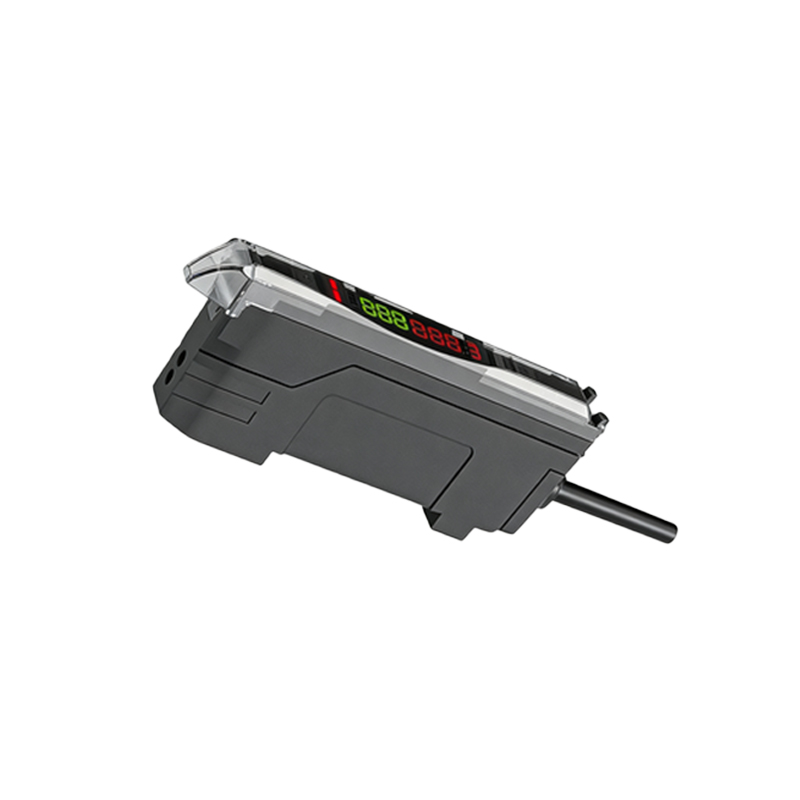
The fundamental operation of a 1000-degree external furnace photoelectric sensor is based on the detection of specific optical signals emitted from or altered by the target inside the furnace. These sensors typically consist of a robust housing, a high-quality optical lens system, a photodetector (such as a photodiode or phototransistor), and sophisticated signal processing electronics. The sensor is mounted externally, with its lens aimed through a dedicated viewport or a purged sight tube that provides a clear line of sight into the furnace interior. The key is that the sensor itself remains at a manageable temperature, often cooled by air or water jackets. It detects infrared radiation, visible light intensity, or specific spectral lines emitted by the target material or process flames. This detected light is converted into an electrical signal, which is then processed to determine parameters like temperature, presence/absence of material, flame status, or color changes indicative of process stages.
Critical Design Challenges and Solutions
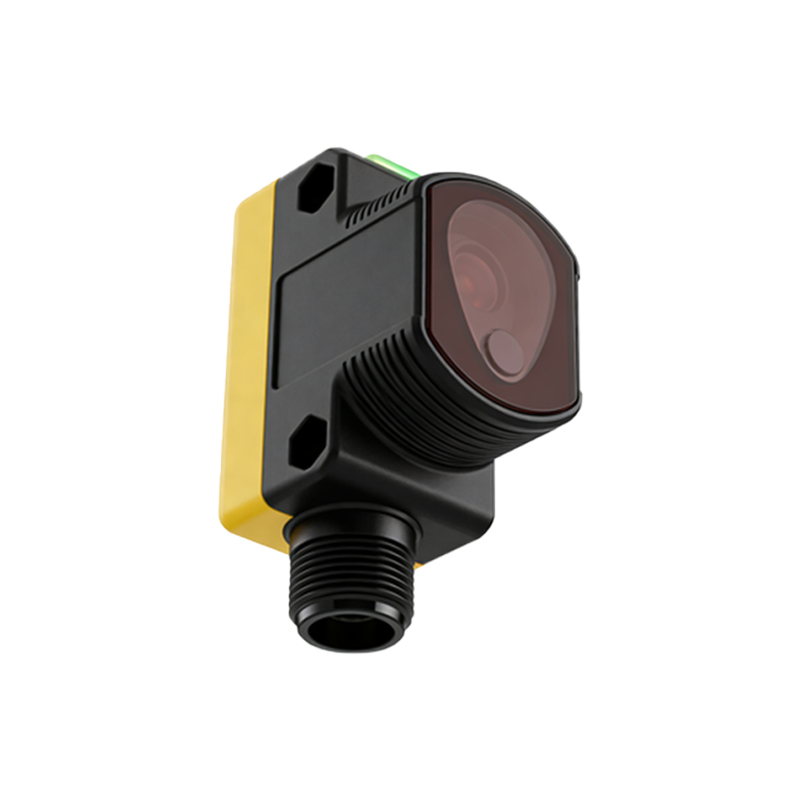
Designing a photoelectric sensor to function effectively in such an application involves overcoming several formidable challenges. First is the intense radiant heat from the furnace opening, which can damage optical components and electronics. Solutions include using specially coated sapphire or quartz viewing windows that withstand thermal shock and block excessive infrared heat, along with active cooling systems for the sensor housing. Second, the viewport can become obscured by smoke, fumes, or condensate. To counter this, systems often incorporate automatic air or nitrogen purge systems that keep a constant positive pressure of clean gas across the lens, preventing contamination. Third, signal integrity must be maintained amidst background radiation and optical noise. Advanced sensors employ narrow-band optical filters tuned to specific wavelengths and digital signal processing algorithms to isolate the relevant signal from the noisy environment, ensuring accurate and reliable readings.
Primary Industrial Applications
The applications for these rugged sensors are diverse and critical within high-temperature industries. In steel production, they are used for monitoring the presence and position of billets or slabs in reheat furnaces, and for detecting the flame status in burners to optimize combustion efficiency. In glass manufacturing, they monitor the glass level in forehearths and detect the "gob" formation in container glass production. Within the ceramic and sintering industries, they verify the placement of parts on kiln cars and can monitor temperature uniformity by observing the incandescence of the products. Furthermore, they play a vital role in safety systems, such as ensuring pilot flames are lit in large industrial boilers or furnaces, preventing unburned fuel accumulation and potential explosions. Their non-contact nature makes them ideal for these abrasive and corrosive environments.
Benefits Over Traditional Sensing Methods
Adopting external furnace photoelectric sensors offers substantial advantages compared to traditional thermocouples or internal probes. The most significant benefit is longevity and reduced maintenance. Since the sensitive electronics are located outside the furnace, they are not subjected to the degrading effects of extreme heat, chemical attack, or mechanical wear, leading to a much longer service life and lower replacement costs. Secondly, they provide faster response times. Optical detection is nearly instantaneous, allowing for real-time process control and quicker reactions to upsets. Third, they enable measurement types that are difficult or impossible with contact methods, such as detecting specific material colors or flame characteristics. This contributes directly to improved process efficiency, energy savings, consistent product quality, and enhanced operational safety.
Selection Criteria and Installation Considerations
Selecting the right 1000-degree external photoelectric sensor requires careful analysis of the application. Key parameters include the required sensing distance, the specific optical property to be detected (e.g., infrared intensity, visible light, UV emission), the necessary response time, and the environmental conditions around the furnace. The type of lens and any required optical filters are chosen based on the target's emission spectrum. Installation is critical for success. The sight tube or viewport must provide an unobstructed, clean view. Proper alignment is essential, and the purge system must be correctly sized and maintained to ensure a clear optical path. The sensor's housing must be adequately cooled, and cabling should be routed away from other heat sources to prevent damage. Regular maintenance of the viewing window and purge system is necessary to sustain optimal performance over time.
Future Trends and Technological Advancements
The future of high-temperature photoelectric sensing is geared towards greater intelligence, integration, and robustness. We are seeing the integration of these sensors into Industrial Internet of Things (IIoT) networks, where they provide continuous data streams for predictive analytics and digital twin models. Advancements in multispectral and hyperspectral imaging allow a single sensor to analyze multiple wavelengths simultaneously, providing a richer dataset on material composition and temperature distribution. Improvements in materials science are leading to more durable optical coatings and window materials. Furthermore, the integration of artificial intelligence for signal processing allows sensors to self-diagnose issues, compensate for gradual window fouling, and identify complex process patterns beyond simple threshold detection, paving the way for fully autonomous, optimized high-temperature industrial operations.