Introduction to High-Temperature Proximity Sensing
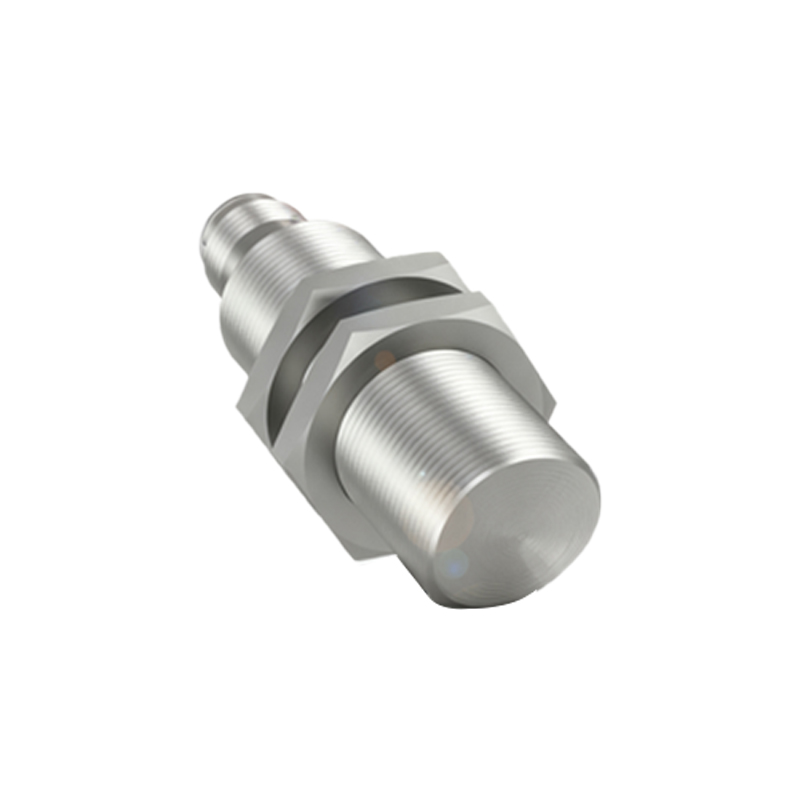
In demanding industrial environments where heat is a constant factor, standard sensors fail. High-temperature proximity sensors are engineered to withstand extreme thermal conditions, often exceeding 100°C and reaching up to 200°C or more, without compromising detection accuracy or operational lifespan. These specialized devices are critical in sectors like metal processing, automotive manufacturing, glass production, and aerospace, where they perform essential tasks such as position detection, part counting, and process control in ovens, furnaces, and near molten materials. Their robust construction typically involves high-grade stainless steel housings, specialized seals, and temperature-resistant electronics.
Key Selection Criteria for the Ranking
This ranking is not based on sales volume alone but on a composite of technical performance and reliability under duress. Primary evaluation factors include maximum operating temperature rating, sensing distance consistency under thermal stress, housing material and ingress protection (IP) rating, long-term stability and repeatability, output type compatibility (e.g., PNP/NPN, analog, IO-Link), and overall durability in harsh conditions. Ease of installation and maintenance in high-heat zones also played a significant role. The goal is to identify sensors that deliver unwavering performance where others cannot.
The 2024 Top 10 High-Temperature Proximity Sensor Rankings
1. Pepperl+Fuchs VDM Series: A leader in extreme environments, these inductive sensors offer operating temperatures up to 250°C, featuring a ceramic sensing face and a fully welded stainless steel body. Renowned for exceptional stability in foundries and welding applications.
2. Balluff BES Series High-Temp: Engineered for automotive paint shops and drying ovens, these sensors reliably operate at 230°C. Their compact design and high chemical resistance make them a versatile choice for challenging thermal and corrosive settings.
3. Sick HT Series: Sick's HT inductive sensors are built for temperatures up to 220°C. They excel in glass manufacturing and metal casting with superior resistance to thermal shock and a robust metal housing that ensures longevity.
4. IFM Electronic SM Series High-Temperature: Known for their robustness, these sensors handle up to 200°C and are ideal for machine tools and press automation. Their high switching frequency and precise detection are maintained even under thermal load.
5. Turck Q40 Series: These high-temperature inductive proximity sensors are rated for continuous operation at 230°C. The Q40 series features a unique high-temp cable and is a top pick for semiconductor and furnace applications.
6. Omron E2E-X High-Temperature Models: Omron offers specific variants within its E2E lineup designed for 200°C operation. They provide consistent sensing performance in packaging machinery and plastic molding processes near heaters.
7. Rockwell Automation (Allen-Bradley) 871TM: Designed for tough environments, these sensors withstand 200°C and are commonly integrated into heavy industrial and material handling systems requiring high thermal endurance.
8. Baumer GXL Series: Baumer's high-temperature inductive sensors operate reliably at 210°C. They are noted for their excellent electromagnetic compatibility (EMC) and resistance to welding spatter, suitable for automotive body shops.
9. Keyence FS-N Series: While often associated with precision, Keyence offers high-temperature fiber optic sensors and amplifiers capable of monitoring points exceeding 250°C, perfect for non-contact detection in extremely confined, hot spaces.
10. Eaton (formerly Cutler-Hammer) E59 Series: A reliable workhorse for high-heat applications up to 200°C, these sensors are frequently specified in steel mills and foundry equipment for their durability and straightforward design.
Critical Installation and Maintenance Best Practices
Even the best sensor requires correct installation. Always ensure the sensor's rated temperature exceeds the ambient peak temperature, considering heat radiation from the target. Use high-temperature rated cables and connectors. Maintain the recommended sensing distance, as heat can affect the magnetic field of inductive sensors. Allow for proper heat dissipation; avoid mounting in enclosed spaces without airflow. Regular inspection for physical damage, buildup of contaminants, and cable integrity is crucial. Implementing these practices maximizes sensor life and prevents unplanned downtime.
Future Trends in High-Temperature Sensing Technology
The future points toward smarter, more integrated solutions. The adoption of IO-Link in high-temperature sensors is growing, enabling predictive maintenance through continuous monitoring of internal temperature and performance parameters. Materials science is pushing limits, with new ceramics and composites allowing for sensors that can withstand even more aggressive thermal cycles. Furthermore, the development of robust, high-temperature