Introduction to Proximity Sensing Technology
Proximity sensors are non-contact devices that detect the presence or absence of objects within a defined range. Utilizing various technologies such as inductive, capacitive, ultrasonic, and photoelectric principles, these sensors generate an output signal without physical contact. This capability makes them ideal for harsh environments where dirt, moisture, or mechanical wear could compromise traditional switches. Their reliability and precision have led to widespread adoption across numerous sectors, transforming automation and safety protocols. From manufacturing floors to consumer electronics, proximity sensors serve as critical components in modern systems, enabling smarter, more efficient operations.
Industrial Automation and Robotics
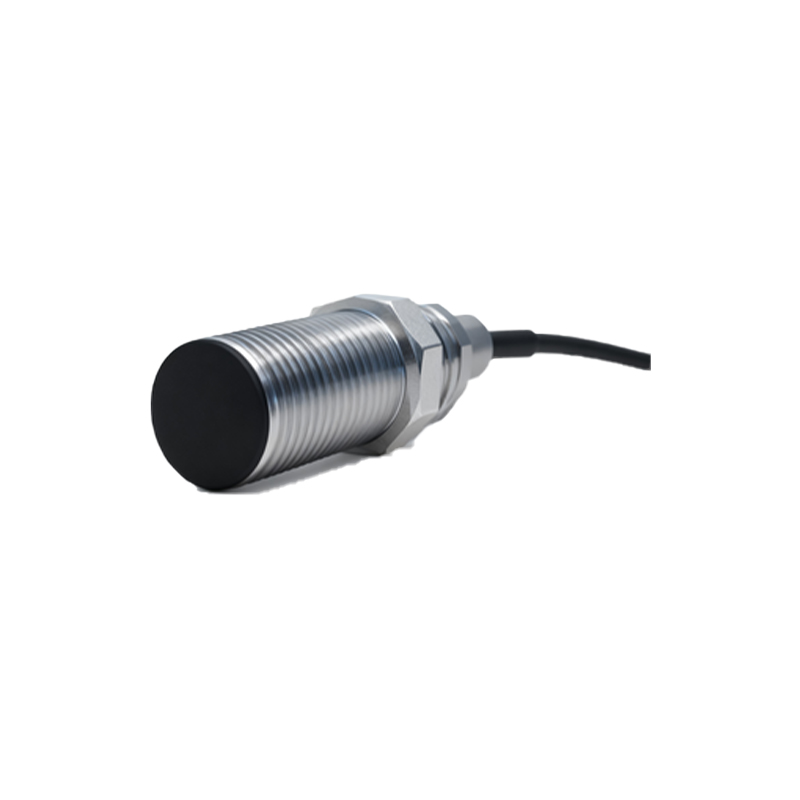
In industrial settings, proximity sensors are fundamental to automation. They are extensively used for position detection, object counting, and limit switching in conveyor systems. For instance, inductive sensors detect metallic parts on assembly lines, ensuring precise positioning for robotic arms during pick-and-place operations. In robotic welding cells, these sensors confirm the presence of workpieces before initiating cycles, preventing costly errors. Capacitive sensors handle non-metallic materials like plastics or liquids, monitoring fill levels in tanks or detecting paper rolls in printing machines. This reduces downtime and enhances production consistency, contributing to lean manufacturing goals.
Automotive Manufacturing and Safety Systems
The automotive industry relies heavily on proximity sensors for both manufacturing and vehicle safety. On production lines, they verify component placement in engines and chassis, aiding in quality control. Within vehicles, ultrasonic sensors power parking assistance systems, alerting drivers to obstacles with audible cues. Advanced driver-assistance systems (ADAS) incorporate radar-based proximity sensors for adaptive cruise control and collision avoidance, scanning the road to maintain safe distances. Additionally, capacitive sensors in infotainment systems enable touchless gesture controls, improving user interaction while minimizing distractions. These applications collectively boost safety and operational efficiency.
Consumer Electronics and Home Appliances
Proximity sensors enhance user experience in everyday devices. In smartphones, infrared sensors detect when a phone is held to the ear during calls, automatically turning off the display to save power and prevent accidental touches. Automatic faucets and soap dispensers in public restrooms use capacitive or infrared sensors for hands-free operation, promoting hygiene. Home appliances like robotic vacuums employ ultrasonic sensors to navigate around furniture and avoid falls from stairs. Smart lighting systems also utilize motion-sensing proximity detectors to activate lights when occupants enter a room, optimizing energy consumption. These integrations make technology more intuitive and responsive.
Aerospace and Defense Applications
In aerospace and defense, proximity sensors ensure precision and safety in critical operations. Aircraft landing gear systems use inductive sensors to confirm gear deployment or retraction, providing pilots with real-time status updates. On spacecraft, sensors monitor equipment alignment and detect debris during missions. Military vehicles incorporate them for obstacle detection in low-visibility conditions, while security systems employ photoelectric sensors for perimeter monitoring. The non-contact nature of these sensors reduces maintenance needs in extreme environments, from high altitudes to combat zones, supporting reliable performance under demanding circumstances.
Healthcare and Medical Devices
Healthcare applications leverage proximity sensors for both equipment and patient care. In medical imaging devices like MRI machines, sensors ensure proper patient positioning and door closure to maintain safety standards. Infusion pumps use optical sensors to detect air bubbles in IV lines, preventing potential hazards. Hand-sanitizer dispensers in hospitals feature touchless activation to minimize cross-contamination. Additionally, wearable health monitors incorporate proximity sensors to track user proximity for data synchronization or fall detection in elderly care. These uses enhance accuracy, sterility, and patient outcomes in clinical settings.
Food and Beverage Processing
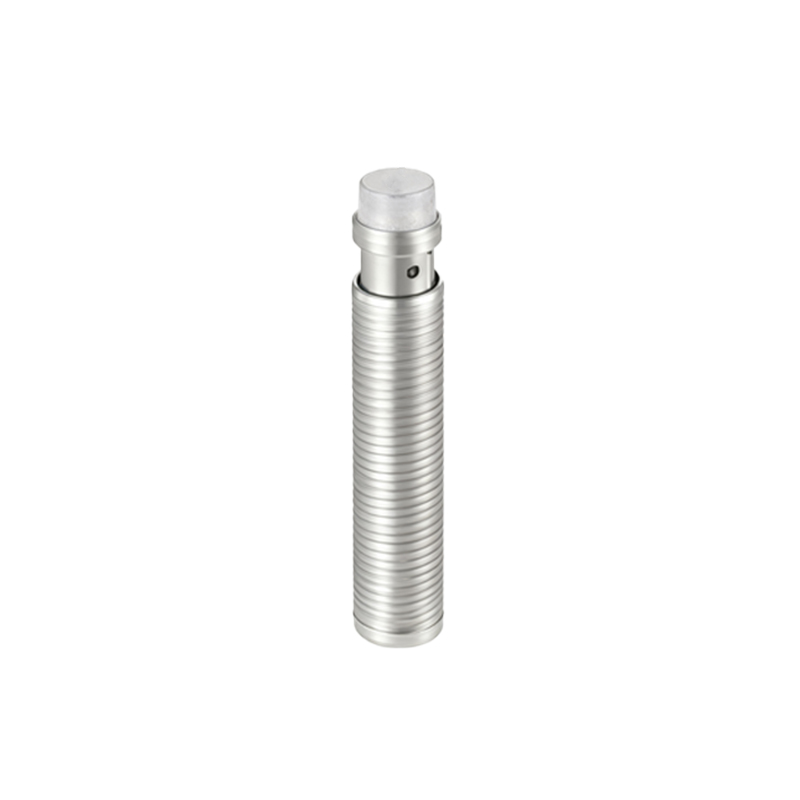
The food and beverage industry benefits from proximity sensors in hygiene-sensitive processes. Stainless-steel inductive sensors detect metal cans or bottles on filling lines, ensuring proper sealing and labeling. Capacitive sensors monitor liquid levels in fermentation tanks without direct contact, maintaining product consistency. In packaging, photoelectric sensors verify label placement or check for missing caps on containers. Since these sensors resist washdowns and corrosive cleaning agents, they meet stringent sanitary regulations while reducing waste and improving throughput in high-speed production environments.
Future Trends and Innovations
Emerging trends are expanding proximity sensor capabilities. The integration of Internet of Things (IoT) connectivity allows sensors to transmit data for predictive maintenance and real-time analytics. Miniaturization enables embedding in smaller devices, such as wearable tech or micro-robots. Advances in material science are leading to sensors that operate in higher temperatures or corrosive settings. Furthermore, AI-enhanced sensors can differentiate between object types, enabling more complex automation tasks. As industries evolve toward greater autonomy and efficiency, proximity sensors will continue to play a pivotal role in shaping smart, interconnected systems worldwide.