Understanding High-Temperature Proximity Sensors
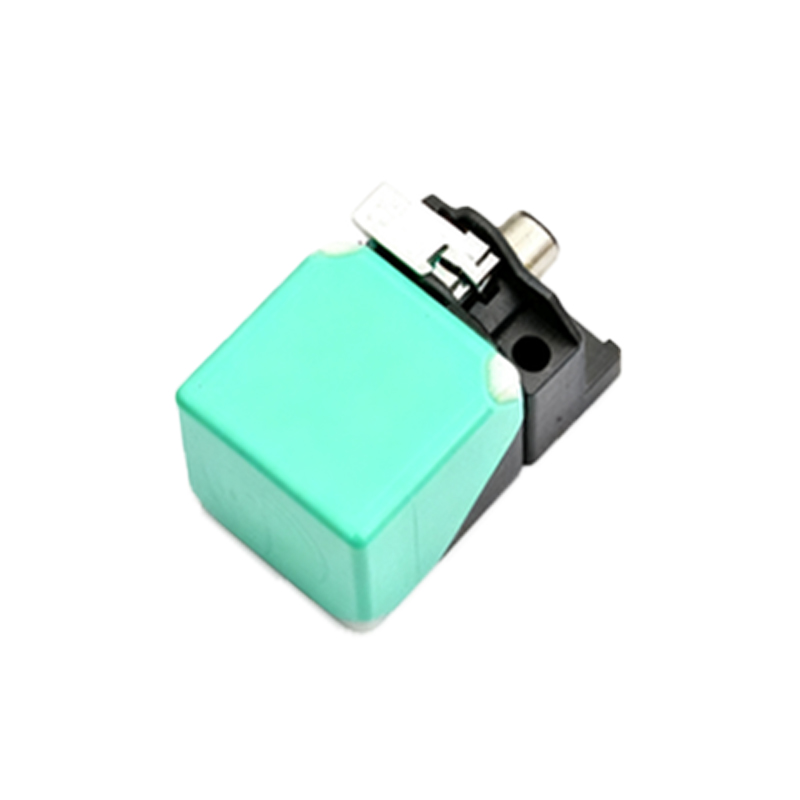
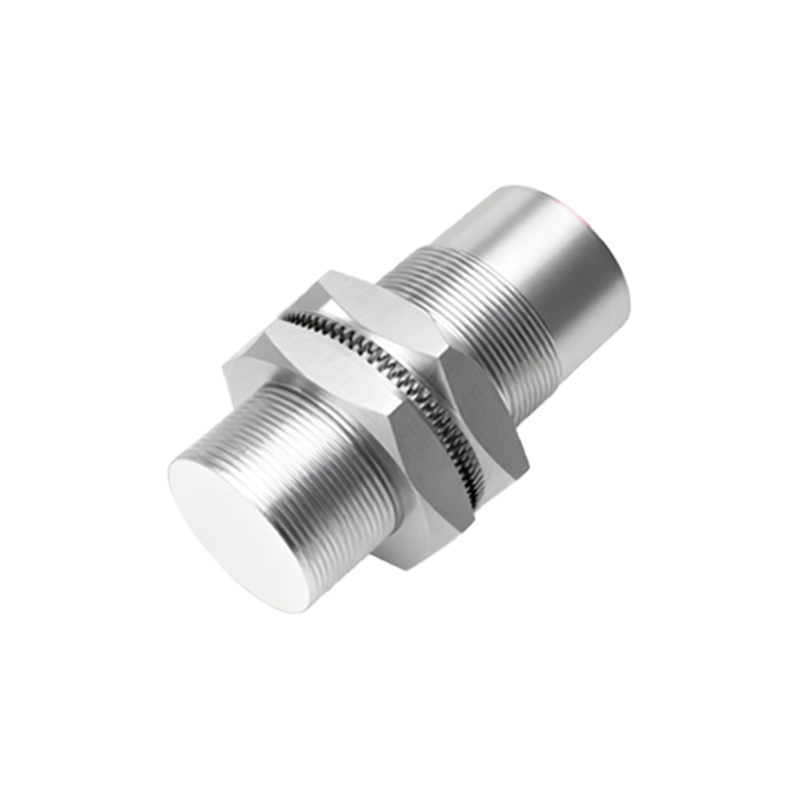
High-temperature proximity sensors are critical components in demanding industrial environments where standard sensors would fail. These specialized devices are engineered to detect the presence or absence of metallic or non-metallic objects in extreme heat conditions, typically ranging from 150°C to over 1000°C. They operate on principles such as inductive, capacitive, or ultrasonic sensing but are constructed with advanced materials like specialized ceramics, high-grade stainless steel alloys, and thermally stable polymers. Their primary function is to provide reliable, non-contact detection in applications like metal forging, glass manufacturing, automotive foundries, and aerospace component testing. The ability to maintain precise sensing accuracy and repeatability while exposed to intense thermal stress is what distinguishes these sensors from their conventional counterparts, making them indispensable for process safety, automation, and quality control in high-heat zones.
Key Supply Chain Models for Procurement
Procuring high-temperature proximity sensors involves navigating several distinct supply chain models, each with its own advantages. The most traditional model is direct procurement from Original Equipment Manufacturers (OEMs). This method offers direct access to technical expertise, full product documentation, and often, custom engineering support for highly specific application requirements. Alternatively, many companies rely on authorized industrial distributors and wholesalers. These partners maintain extensive inventories, provide localized stock for faster delivery, and offer valuable logistical support. For projects requiring rapid prototyping or smaller quantities, specialized online industrial marketplaces and MRO (Maintenance, Repair, and Operations) suppliers have become increasingly relevant. A growing trend is the establishment of long-term strategic partnerships or vendor-managed inventory (VMI) programs with key suppliers, ensuring a consistent and predictable supply of these critical components while optimizing inventory costs.
Factors Influencing Supplier Selection
Selecting the right supplier for high-temperature sensors extends beyond simple price comparison. Technical capability is paramount; suppliers must demonstrate deep application knowledge and the ability to provide sensors with appropriate IP ratings, specific temperature tolerances, and output signal compatibility. Reliability and quality certification, such as ISO 9001 and specific industry approvals (e.g., ATEX for hazardous areas), are non-negotiable for ensuring product consistency and safety. Lead times and inventory availability are crucial for minimizing production downtime, making suppliers with regional stocking warehouses highly attractive. Furthermore, the level of post-sales support, including technical assistance, warranty terms, and repair services, significantly impacts the total cost of ownership. A supplier's financial stability and proven track record in the industry are also critical indicators of long-term reliability.
Global Sourcing vs. Local Sourcing Strategies
The decision between global and local sourcing strategies presents a key strategic consideration. Global sourcing, often from manufacturing hubs in Europe, North America, and increasingly Asia, can offer competitive pricing and access to a wider range of specialized sensor technologies. However, it may introduce challenges such as longer lead times, complex import/export logistics, potential currency fluctuations, and communication barriers. Local or regional sourcing, in contrast, typically provides shorter supply chains, faster response times, easier collaboration on technical issues, and reduced shipping costs and complexity. For mission-critical applications where sensor failure can cause catastrophic production stoppages, the benefits of local supplier responsiveness and easier quality audits often outweigh the potential cost savings of a distant global source. Many companies adopt a hybrid model, sourcing standard models globally while relying on local partners for urgent requirements and application support.
Ensuring Quality and Performance Compliance
Given the severe operating conditions, ensuring that supplied sensors meet all quality and performance specifications is essential. Reputable suppliers provide detailed datasheets specifying not only the maximum ambient temperature but also thermal cycling capabilities, housing material specifications, and sensing range derating curves at elevated temperatures. It is industry best practice to request sample units for in-house testing under simulated operational conditions before committing to a large order. Compliance with international standards for electrical safety, EMC (Electromagnetic Compatibility), and specific industry norms (e.g., for food processing or chemical plants) must be clearly documented. Establishing a clear quality agreement with the supplier, outlining acceptance criteria and failure analysis protocols, helps mitigate risk and ensures that every delivered sensor performs as specified in the harsh real-world environment.
Future Trends in Supply and Technology
The supply landscape for high-temperature proximity sensors is evolving alongside technological advancements. The integration of Industrial Internet of Things (IIoT) capabilities is a major trend, with new sensors featuring embedded diagnostics and digital communication protocols like IO-Link. This allows for predictive maintenance and real-time health monitoring, changing the supply dynamic towards smarter, data-providing components. Furthermore, additive manufacturing (3D printing) is beginning to influence the supply chain by enabling faster production of custom sensor housings and prototypes. There is also a growing emphasis