Introduction to Photoelectric Sensors in Wearable Tech
The integration of photoelectric sensors into clothing represents a significant leap forward in wearable technology. These sensors, which typically consist of a light emitter and a receiver, detect changes in light intensity caused by the presence, absence, or distance of an object. In the context of smart clothing, this technology moves beyond industrial automation to become a direct interface with the human body. The core principle involves using infrared or visible light to monitor physiological parameters or environmental interactions. This non-invasive method offers a comfortable and continuous monitoring solution, paving the way for garments that are not just passive coverings but active, responsive systems. The transition from rigid circuit boards to flexible, textile-integrated sensors has been a key engineering challenge, now being overcome with innovative materials and manufacturing techniques.
Case Study: Vital Sign Monitoring Garments
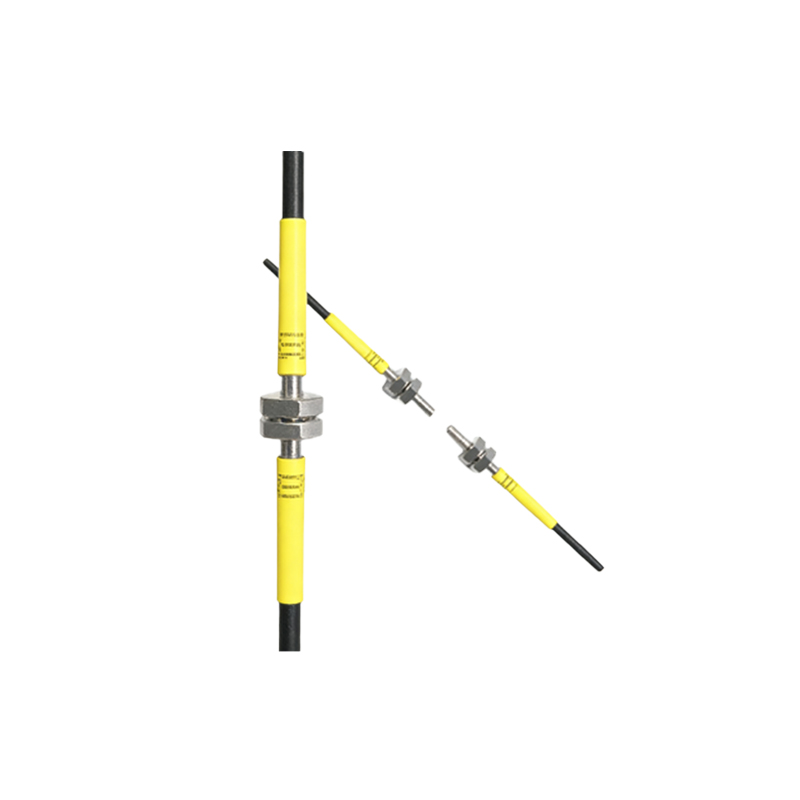
A prominent application is in health and fitness monitoring. A specific case involves a smart athletic shirt designed for professional athletes. This garment incorporates miniature, low-power photoplethysmography (PPG) sensors woven directly into the fabric at the chest and wrist areas. These sensors emit a specific wavelength of light into the skin and measure the amount of light reflected or absorbed by blood vessels. By analyzing the pulsatile component of this signal, the shirt can continuously and accurately track heart rate, heart rate variability, and even estimate blood oxygen saturation (SpO2) levels during intense training sessions. The data is transmitted wirelessly to a coaching dashboard, allowing for real-time performance analysis and fatigue management, reducing the risk of overtraining and injury.
Engineering the Textile-Sensor Interface
The successful implementation hinges on the seamless integration of the sensor with the textile substrate. Traditional photoelectric sensors are rigid and unsuitable for clothing. The engineering solution involves creating flexible optical fibers or printing conductive, light-sensitive inks onto fabric. In one case, engineers developed a polymer-based optical fiber that is as flexible as a standard sewing thread. This fiber is embroidered into a specific pattern within the garment. One section acts as the light source, while another, positioned a precise distance away, acts as the detector. Changes in body shape, muscle flexion, or even the presence of sweat alter the light transmission properties between these points, enabling the detection of movement, posture, and hydration levels without any uncomfortable rigid components.
Case Study: Interactive Safety Workwear
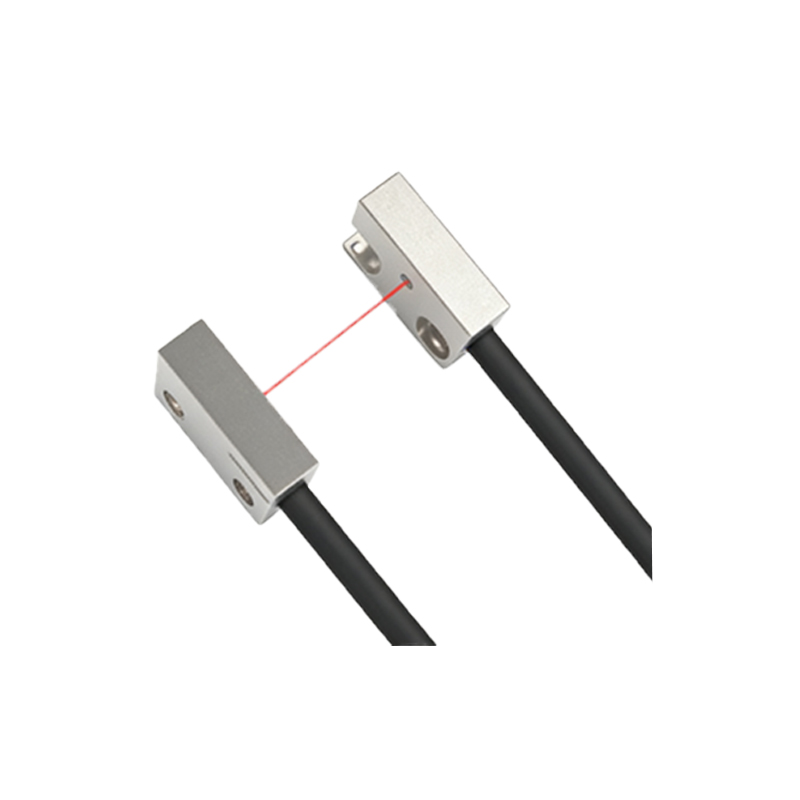
Another compelling case is found in industrial safety. High-visibility workwear for construction or road workers has been enhanced with photoelectric sensing systems. For instance, a safety jacket is equipped with integrated infrared proximity sensors along the back and sides. These sensors constantly emit an invisible infrared beam. If a vehicle or large machinery enters a pre-defined danger zone (e.g., within two meters), the beam is reflected back to the receiver on the jacket. This instantly triggers a high-intensity LED warning panel on the garment to flash brightly and a vibration motor to alert the wearer. This system provides an active safety layer beyond passive reflective strips, significantly improving situational awareness in low-light or high-noise environments where auditory cues may be missed.
Power Management and Data Integrity Challenges
A critical engineering aspect for photoelectric sensor clothing is sustainable power. Continuous light emission and data processing are power-intensive. Case studies show successful use of hybrid power systems. A biomechanical energy harvesting module, such as a flexible piezoelectric strip sewn near a joint, can generate micro-power from movement. This is coupled with a thin, flexible lithium-polymer battery and ultra-low-power Bluetooth transmitters. Furthermore, ensuring data integrity is paramount. Signal noise from ambient light or garment movement is filtered using advanced algorithms that distinguish between physiological signals and motion artifacts. Shielding the sensor paths with specific textile layers and using modulated light signals (rather than constant emission) are common techniques to improve signal-to-noise ratio.
Future Directions and Market Implications
The future of photoelectric sensor clothing is moving towards multifunctional, discreet, and mass-producible systems. Research is focused on developing organic photodetectors that can be printed directly onto fabrics in rolls, dramatically reducing cost. Future cases may include clothing that monitors glucose levels through interstitial fluid or detects early signs of pressure ulcers in bedridden patients. The market implication is a shift from niche athletic or professional gear to mainstream healthcare, elderly care, and everyday wellness apparel. The convergence of textile engineering, optics, and data science is creating a new category of "photic textiles," where clothing becomes a primary platform for human-computer interaction and preventative health management.