Introduction to Proximity Sensing in Automation
In the realm of industrial automation, vibratory feeders are indispensable for sorting, orienting, and feeding components in assembly lines. The reliable operation of these systems hinges on precise sensing technology. Proximity sensors play a critical role in this context, providing non-contact detection of parts, monitoring bowl levels, and ensuring smooth material flow. Unlike mechanical limit switches, these sensors offer wear-free operation, high switching frequencies, and resilience in harsh environments filled with dust, oil, and vibration. Selecting the correct type of proximity sensor is paramount for optimizing feeder performance, minimizing downtime, and maintaining consistent production quality.
Inductive Proximity Sensors
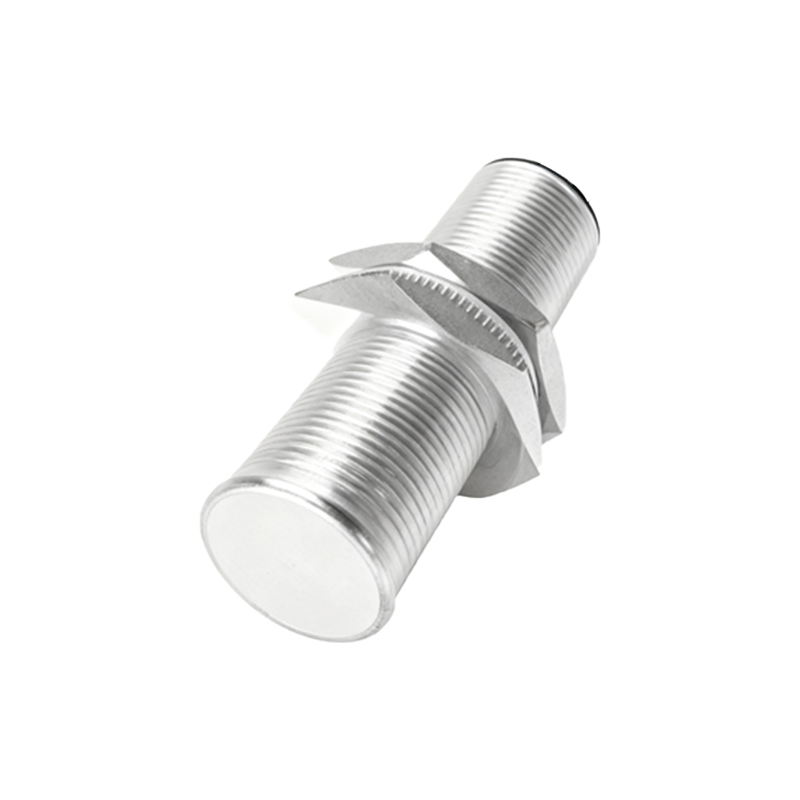
Inductive proximity sensors are the most common type used in vibratory feeder applications, particularly for detecting metallic objects. They generate an electromagnetic field. When a metallic part enters this field, it induces eddy currents, causing a change in the sensor's oscillation amplitude, which triggers the output switch. These sensors are ideal for detecting the presence or absence of metal components in the track, verifying orientation, or counting parts. Key advantages include their robustness, insensitivity to non-metallic contaminants like plastic dust, and availability in various form factors (cylindrical, rectangular) to fit tight spaces. They are typically used for ferrous metals (steel, iron) but specialized versions offer extended sensing ranges for non-ferrous metals like aluminum or copper.
Capacitive Proximity Sensors
Capacitive proximity sensors are versatile devices capable of detecting both metallic and non-metallic materials, including plastics, glass, wood, and liquids. They function by generating an electrostatic field. Any object with a dielectric constant different from air alters the capacitance of the sensor's circuit, triggering detection. In vibratory feeder systems, capacitive sensors are exceptionally useful for monitoring bulk material levels within the feeder bowl or a downstream hopper. They can detect the presence of plastic caps, ceramic components, or even detect when a material jam has occurred by sensing an overflow in the track. Their ability to sense through certain non-metallic container walls makes them valuable for enclosed systems.
Photoelectric Sensors
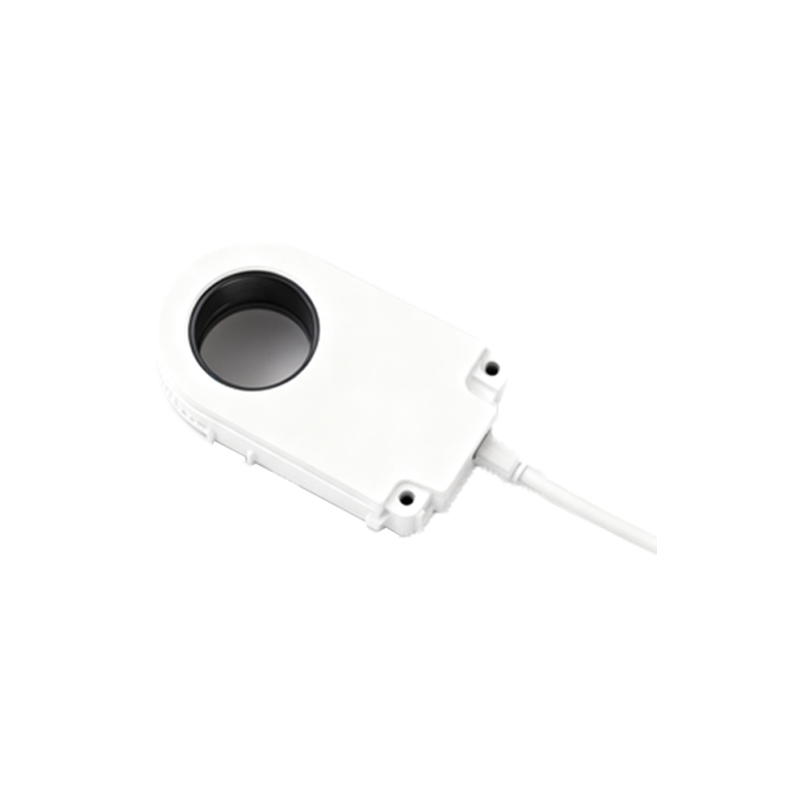
Photoelectric sensors operate on the principle of light transmission and reception. They are highly effective for vibratory feeders where precise detection of small parts, specific colors, or transparent objects is required. The main types used are through-beam, retro-reflective, and diffuse (proximity) modes. Diffuse sensors are popular for feeder applications as they require only a single unit; they detect an object when the emitted light beam is reflected back to the receiver. They excel at detecting minute parts, verifying intricate part features, or differentiating between components based on reflectivity. However, they can be susceptible to interference from ambient light, dust, or shiny surfaces, requiring careful installation and sometimes protective housings.
Ultrasonic Proximity Sensors
Ultrasonic sensors use sound waves beyond the human hearing range to detect objects and measure distance. They emit high-frequency sound pulses and calculate the time taken for the echo to return. In vibratory feeder applications, their primary use is for continuous level monitoring of bulk materials in supply hoppers that feed the vibratory bowl. They provide reliable detection regardless of the material's color, transparency, or reflectivity, making them suitable for powders, granules, or mixed materials. While not typically used for high-speed part detection on the track itself due to slower response times compared to inductive or photoelectric sensors, they are crucial for ensuring a consistent material supply to the feeder.
Key Selection Criteria and Installation Tips
Choosing the right sensor involves evaluating several factors. First, the target material (metal, plastic, etc.) dictates the sensor type. Second, the required sensing distance must be considered, ensuring it accommodates part size and mounting constraints. Environmental conditions are critical; sensors must have appropriate ingress protection (IP) ratings against dust and coolant. For vibratory feeders specifically, sensors must be rated for high vibration resistance. Electrical output (PNP/NPN, analog, IO-Link) must match the control system. Installation is equally vital; sensors should be mounted securely using vibration-dampening brackets if necessary, positioned to avoid direct mechanical impact from parts, and aligned correctly to ensure consistent detection. Regular maintenance and cleaning of the sensor face prevent false triggers.