Introduction to Photoelectric Sensing Technology
Photoelectric sensors are a cornerstone of modern industrial automation, providing non-contact detection of objects, distances, and conditions. These devices operate by emitting a beam of light, typically from an LED, and detecting changes in the received light signal. The core principle is simple: the presence, absence, or characteristics of a target object alters the light beam, which is then interpreted by the sensor's receiver. This technology offers significant advantages over mechanical limit switches, including faster response times, longer operational life due to no physical contact, and the ability to detect a wide variety of materials, including glass, metal, plastic, and liquids. The reliability and versatility of photoelectric sensors make them indispensable in applications ranging from packaging and material handling to automotive assembly and pharmaceutical production.
Defining the SCL Photoelectric Sensor
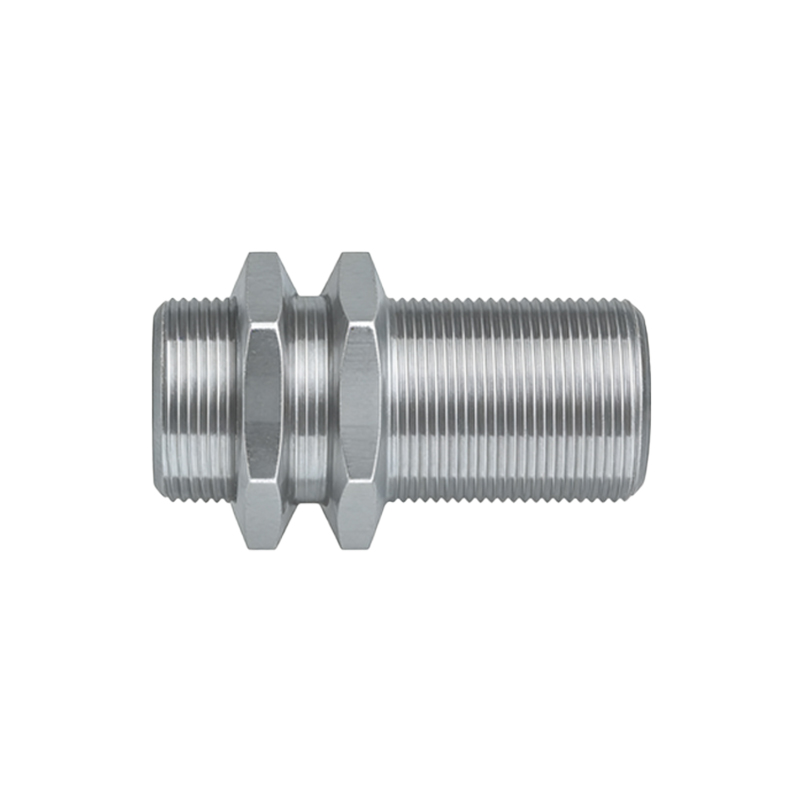
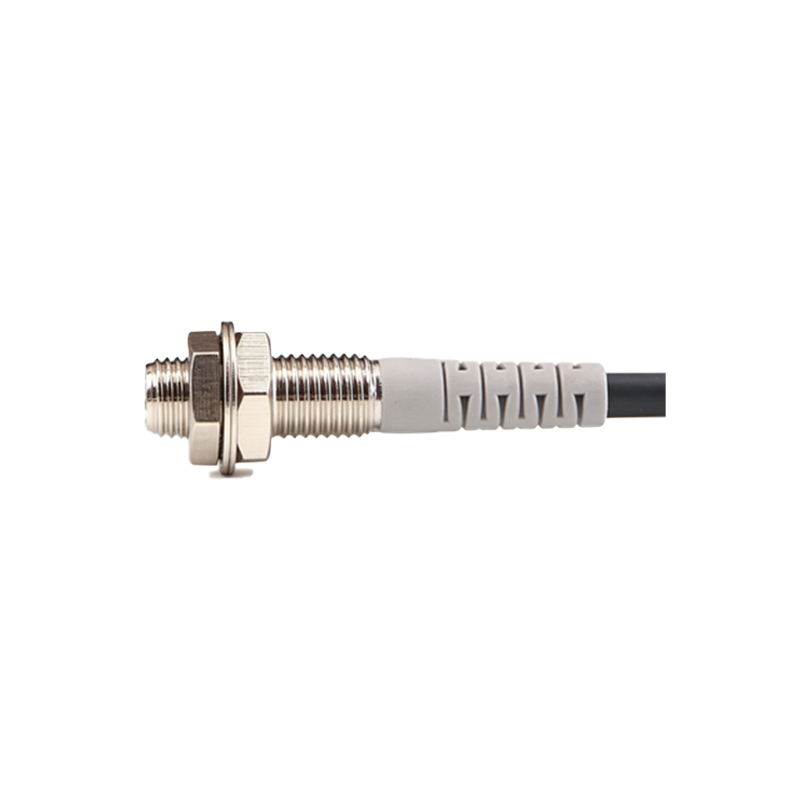
The term "SCL" in the context of photoelectric sensors typically refers to a specific model series or a key functional characteristic, such as "Short Circuit Protection" or a particular housing/style classification from a manufacturer. It is crucial to consult the specific manufacturer's datasheet for precise specifications. Generally, an SCL-series sensor is designed for robust performance in challenging industrial environments. These sensors often feature a compact, cylindrical or rectangular housing made of durable materials like nickel-plated brass or stainless steel, providing high resistance to corrosion, impacts, and washdowns. They are built to meet international protection standards, commonly achieving IP67 or IP69K ratings, ensuring reliable operation even in the presence of dust, oil, and high-pressure water jets common in food processing or automotive plants.
Key Operating Modes and Principles
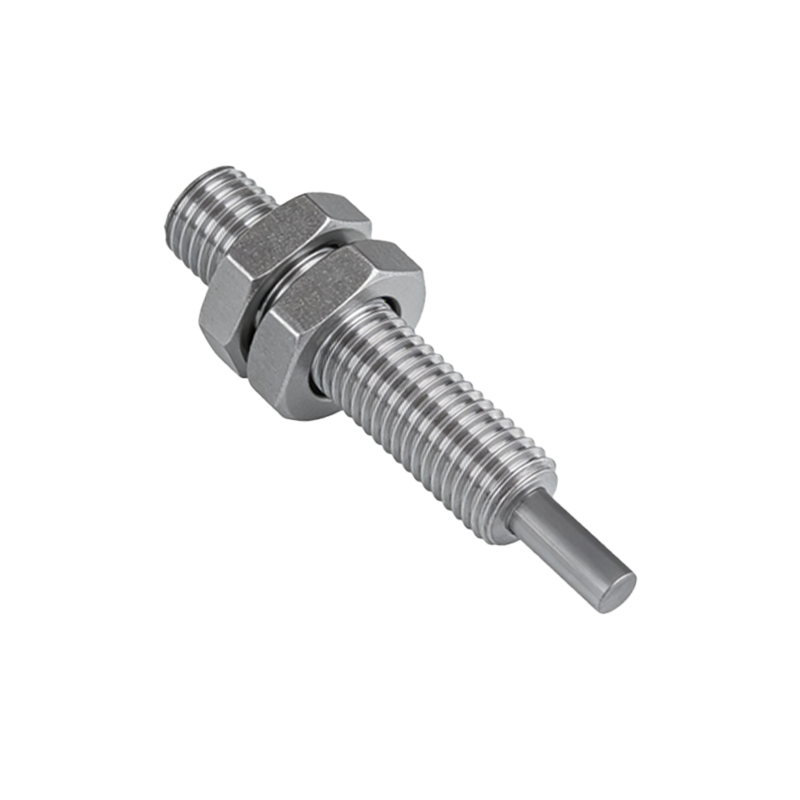
Photoelectric sensors, including SCL models, are categorized primarily by their sensing modes. The three fundamental types are through-beam, retro-reflective, and diffuse (proximity) modes. A through-beam sensor consists of separate emitter and receiver units. Detection occurs when an object breaks the light beam between them, offering the longest sensing range and highest reliability. Retro-reflective sensors house both emitter and receiver in a single unit, using a reflector to bounce the light beam back. An object is detected when it interrupts this reflected beam. Diffuse or proximity sensors also have a combined emitter and receiver, but they detect light reflected directly off the target object itself. Many advanced SCL sensors incorporate background suppression technology or use time-of-flight principles for precise distance measurement, independent of the target's color, reflectivity, or surface texture.
Technical Specifications and Selection Criteria
Selecting the correct SCL photoelectric sensor requires careful analysis of application parameters. Key specifications include sensing range, which can vary from a few millimeters to several tens of meters depending on the model and mode. Light source is another critical factor; red visible LED is common for easy alignment, while infrared LED provides stronger resistance to ambient light, and laser versions enable precise detection of very small objects. The output type must match the control system: NPN (sinking) or PNP (sourcing) transistor outputs are standard for programmable logic controller (PLC) interfaces. Response time, measured in milliseconds or microseconds, determines how fast the sensor can detect objects on high-speed lines. Environmental considerations like operating temperature range, voltage supply (typically 10-30V DC), and the aforementioned ingress protection (IP) rating are non-negotiable for ensuring long-term stability.
Installation, Alignment, and Calibration Best Practices
Proper installation is paramount for optimal sensor performance. Mounting must be secure to prevent vibration-induced misalignment. For through-beam and retro-reflective sensors, precise alignment of the emitter, receiver, and reflector is essential; many models feature built-in alignment indicators (like a green LED) to facilitate this process. For diffuse sensors, the installation angle relative to the target surface must be considered to avoid specular reflection issues. Environmental factors such as ambient light from windows or machinery, dust, steam, and highly reflective backgrounds can cause false triggers. Using sensors with modulated LED light (pulsed light) and teach-in functionality can mitigate these issues. Regular maintenance, including lens cleaning and checking for physical damage or loose connections, forms part of a robust predictive maintenance program to prevent unplanned downtime.
Common Industrial Applications and Use Cases
The SCL photoelectric sensor finds utility across a vast spectrum of industries. In conveyor systems, they are used for object detection, counting, and jam prevention. In automated assembly, they verify the presence or absence of components, check for correct orientation, and control robotic pick-and-place operations. In packaging machinery, they ensure proper fill levels, detect labels, and control the sealing process. Within the automotive sector, they monitor part positioning on welding robots and assembly lines. Their rugged design makes them ideal for harsh environments, such as detecting bottles or cans on high-speed filling lines in beverage plants, or monitoring material levels in silos and hoppers in bulk handling. The ability to detect transparent objects, like glass or plastic films, further expands their application potential in quality control.
Troubleshooting and Diagnostic Features
Modern SCL photoelectric sensors are equipped with intelligent diagnostic features to simplify troubleshooting. A dual LED indicator is standard: a green LED typically shows power status and stable operation, while a yellow or orange LED indicates the switching state (on/off) or can blink in specific patterns to denote alignment quality, overload conditions, or contamination on the lens. Some advanced models offer IO-Link communication, a digital point-to-point serial connection that allows for detailed parameter setting, real-time process data monitoring (like received light intensity), and advanced diagnostics directly from the control cabinet. Common issues like insufficient sensing margin, electrical noise interference, or lens contamination can often be diagnosed quickly using these indicators, minimizing machine downtime and simplifying maintenance procedures.