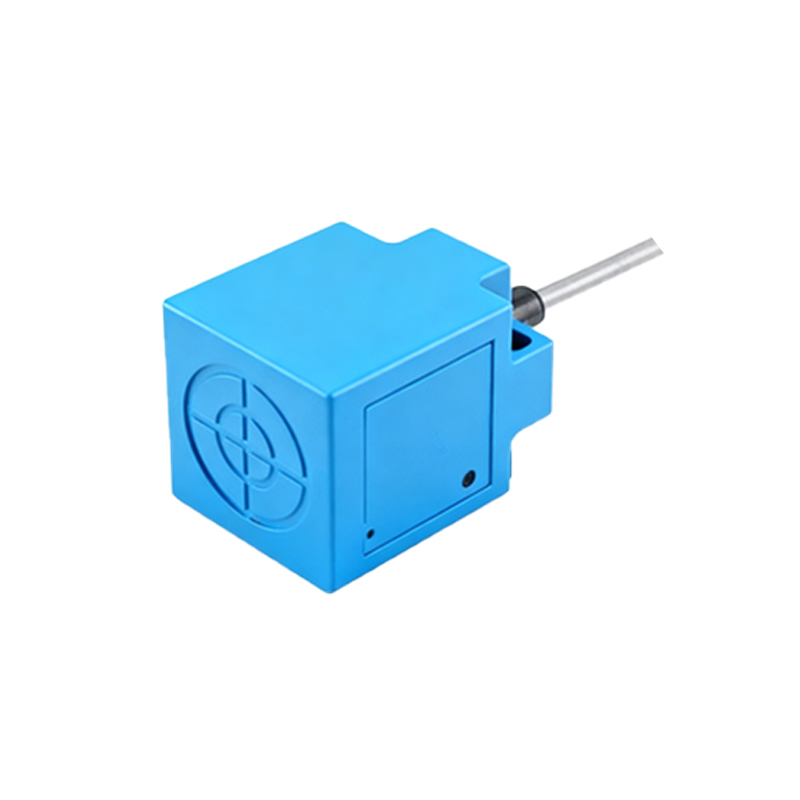
Introduction to the LM30 Proximity Sensor
The LM30 series represents a robust line of inductive proximity sensors engineered for demanding industrial environments. These non-contact switches are designed to detect the presence of metallic objects without physical contact, offering high reliability and long operational life. The core principle of operation involves an oscillator circuit that generates a high-frequency electromagnetic field from the sensor's active face. When a ferrous or non-ferrous metal target enters this detection field, it induces eddy currents, causing a change in the oscillator's amplitude. This change is detected by the subsequent trigger circuit, which then switches the output state of the sensor. The LM30 is particularly noted for its compact cylindrical housing, typically in M30 size, making it a versatile component for integration into various machinery and automated systems. Its construction often features a nickel-plated brass or stainless-steel housing, providing excellent resistance to mechanical impacts, vibrations, and harsh industrial fluids.
Key Technical Specifications and Performance
Understanding the technical parameters of the LM30 sensor is crucial for proper selection and application. A standard LM30 inductive sensor typically operates on a wide range of DC voltages, commonly from 10-30V DC, or AC variants, ensuring compatibility with most industrial control systems. The sensing distance, or nominal range (Sn), for an M30 sensor is usually up to 15mm for mild steel targets, though this varies with target material and shape. Factors such as temperature coefficient, repeat accuracy, and hysteresis are specified to ensure consistent performance. The output configuration is a critical choice, available in NPN (sinking) or PNP (sourcing) transistor outputs, as well as NO (Normally Open) or NC (Normally Closed) switching logic. Response frequency, indicating how many switching cycles per second the sensor can handle, is a key metric for high-speed applications. Additionally, protection ratings like IP67 or IP69K signify complete protection against dust ingress and the ability to withstand high-pressure water jets, which is essential for washdown environments in food and beverage or pharmaceutical industries.
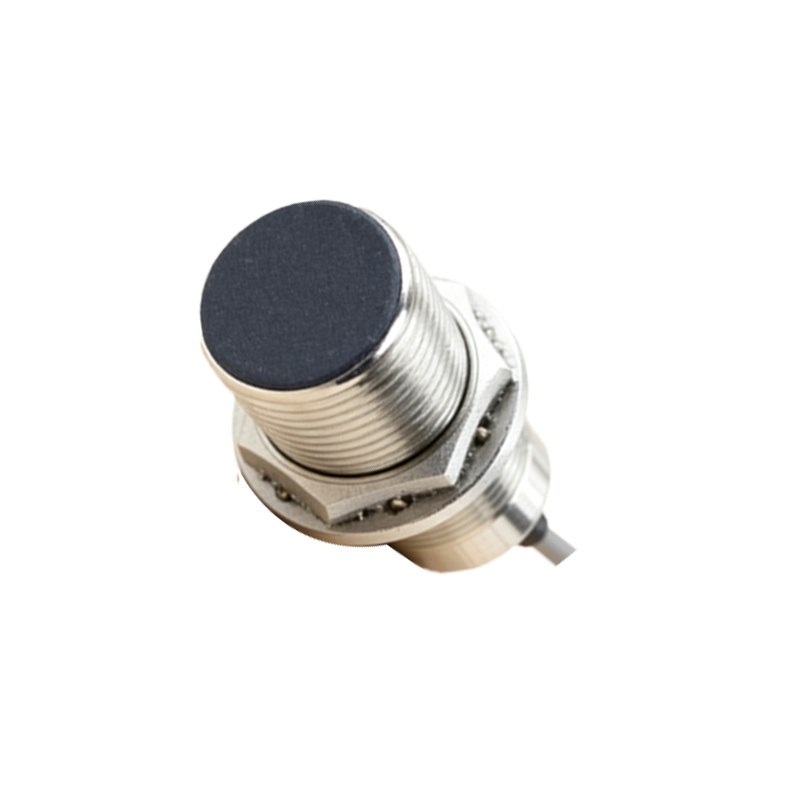
Installation and Wiring Considerations
Correct installation is paramount to achieving the specified performance and longevity of the LM30 proximity sensor. The sensor should be mounted securely, ensuring there is no contact between the sensing face and the target or mounting hardware. Adequate clearance around the sensor body, as per manufacturer guidelines, must be maintained to prevent false triggering from surrounding metal structures (a concept known as flush or non-flush mounting compatibility). Wiring must adhere to standard color codes: typically, brown for positive supply (+V), blue for common (0V), and black for the output signal. For DC models, careful attention must be paid to the polarity. Shielding or using twisted-pair cables is recommended for long cable runs to minimize electromagnetic interference (EMI). It is also good practice to install protective devices such as surge suppressors in circuits with inductive loads like solenoids or contactor coils to prevent voltage spikes from damaging the sensor's solid-state output.Typical Industrial Applications and Use Cases
The LM30 proximity sensor finds extensive use across diverse industrial sectors due to its durability and precision. In automotive manufacturing, these sensors are deployed on assembly lines for part presence verification, robot end-effector positioning, and counting components. Within material handling and packaging machinery, they are used for detecting metal parts on conveyors, monitoring pallet positions, and ensuring proper fill levels in metal containers. In metalworking and CNC machinery, LM30 sensors serve as limit switches for axis positioning, tool breakage detection, and part clamping confirmation. Their robust design makes them ideal for harsh environments like steel mills or foundries. Furthermore, in automated storage and retrieval systems (AS/RS), they provide critical feedback for shuttle positioning and load handling. The non-contact nature eliminates mechanical wear, making them superior to traditional mechanical limit switches in high-cycle applications.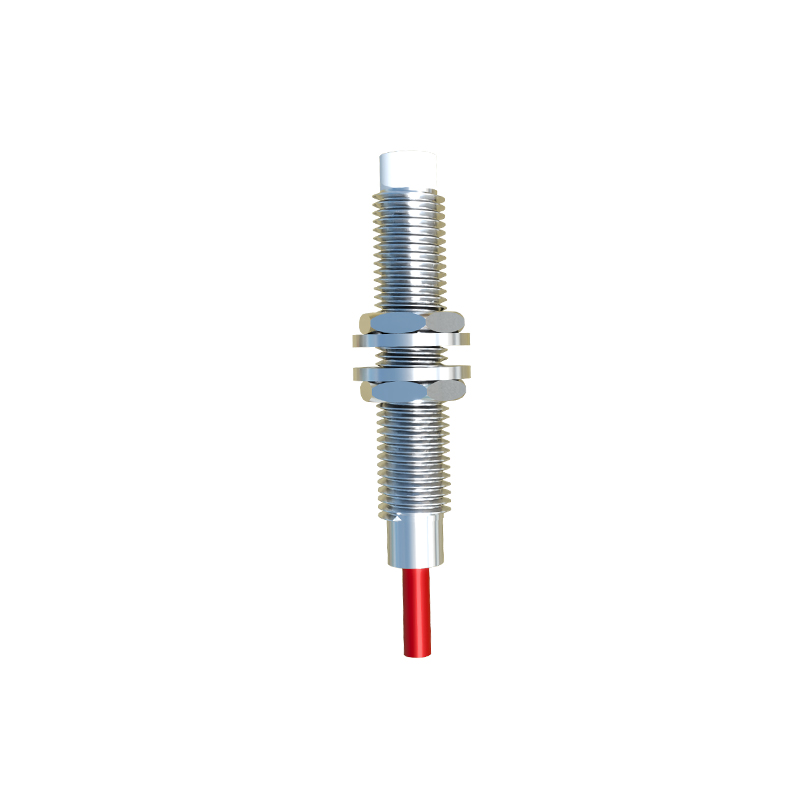
Troubleshooting and Maintenance Guidelines
While LM30 sensors are designed for minimal maintenance, occasional issues may arise. Common problems include failure to detect a target, intermittent operation, or constant output activation. Initial troubleshooting steps involve verifying the power supply voltage and polarity, checking for loose wiring connections, and confirming that the target material, size, and approach speed are within specifications. The presence of excessive buildup of metallic chips or dust on the sensing face can attenuate the detection field and must be cleaned regularly. Using a simple multimeter to check the output state relative to the supply can isolate whether the issue is with the sensor or the downstream controller (PLC). Environmental factors such as extreme temperature, strong adjacent magnetic fields, or chemical corrosion can also affect performance. Implementing a routine inspection