In the world of precision measurement, laser distance sensors have become indispensable tools across industries ranging from manufacturing and construction to robotics and autonomous vehicles. At the heart of their utility lies one critical parameter: accuracy. But what exactly determines the accuracy of a laser distance sensor, and how can users ensure they are getting reliable data for their specific application? This article delves into the technical foundations and practical considerations.
Fundamentally, the accuracy of a laser distance sensor refers to the degree of closeness between the measured distance value and the true, actual distance to the target object. It is typically expressed as a value with a plus/minus (±) tolerance, such as ±1 mm. This specification represents the maximum expected deviation under defined operating conditions. It is crucial to distinguish accuracy from resolution; resolution is the smallest change in distance the sensor can detect, while accuracy defines how correct that detected value is.
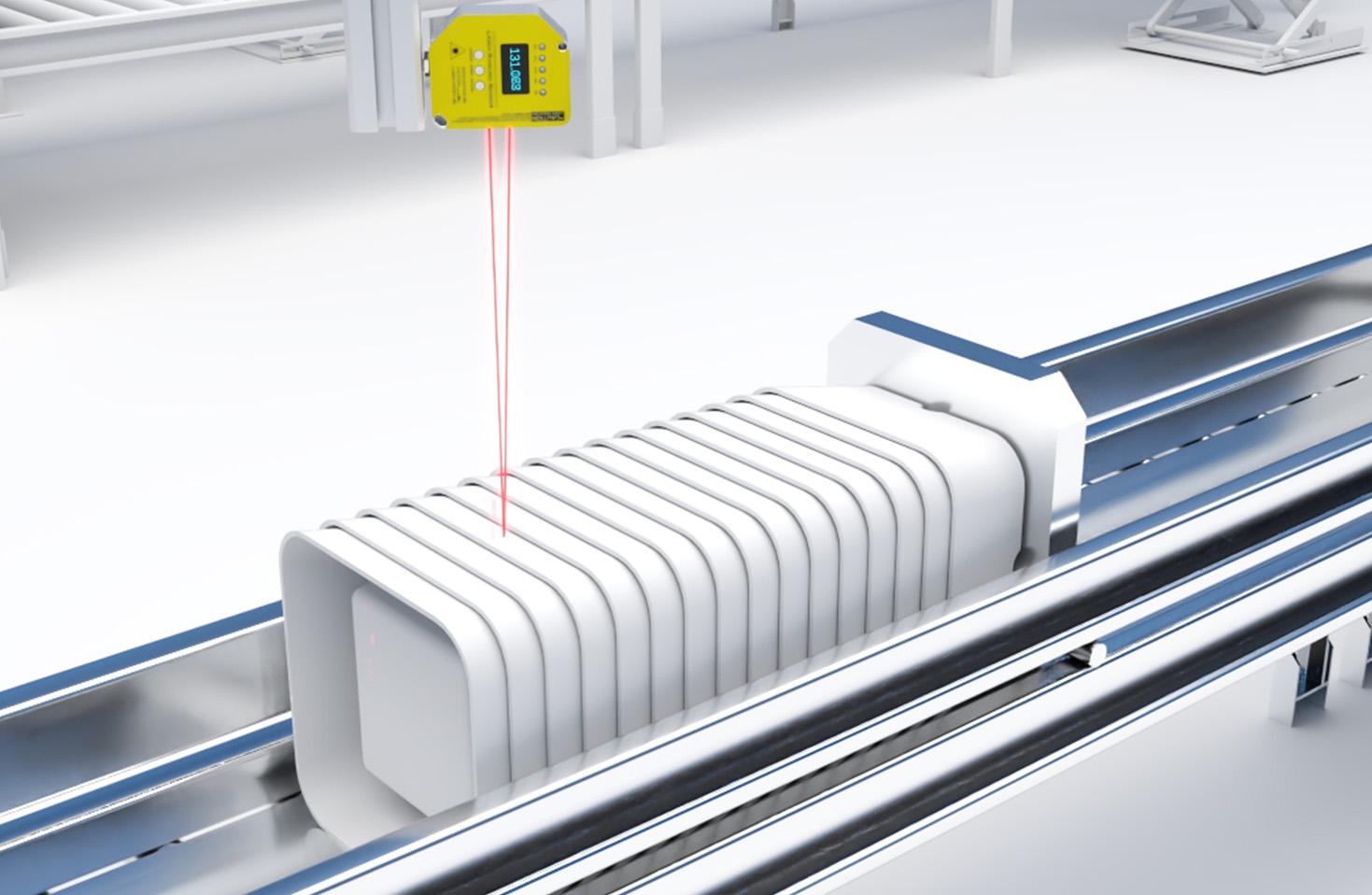
Several core factors directly influence the achievable accuracy of a laser measurement. The first is the measurement principle itself. Time-of-Flight (ToF) sensors, which calculate distance based on the time a laser pulse takes to travel to the target and back, are excellent for long ranges but can be influenced by the precise timing electronics. Phase-shift measurement, often used in shorter-range, high-precision sensors, analyzes the phase difference between the emitted and reflected modulated laser beam, offering superior accuracy at the cost of range limitation. Triangulation-based sensors use a laser spot, a receiving lens, and a position-sensitive detector; their accuracy is exceptionally high for short distances but is highly sensitive to the target's surface properties and angle.
The target's characteristics are equally decisive. A rough, dark, or absorbent surface will scatter or absorb much of the laser light, leading to a weak or noisy return signal that degrades accuracy. Conversely, a smooth, light-colored, and reflective surface provides a strong return. The angle of incidence is also vital; a laser beam striking a surface perpendicularly will provide the most accurate reading. As the angle increases, the effective spot size elongates, and the return path can introduce errors. For transparent objects like glass or liquids, or highly reflective surfaces, special sensors with background suppression or specific filters are required to maintain accuracy.
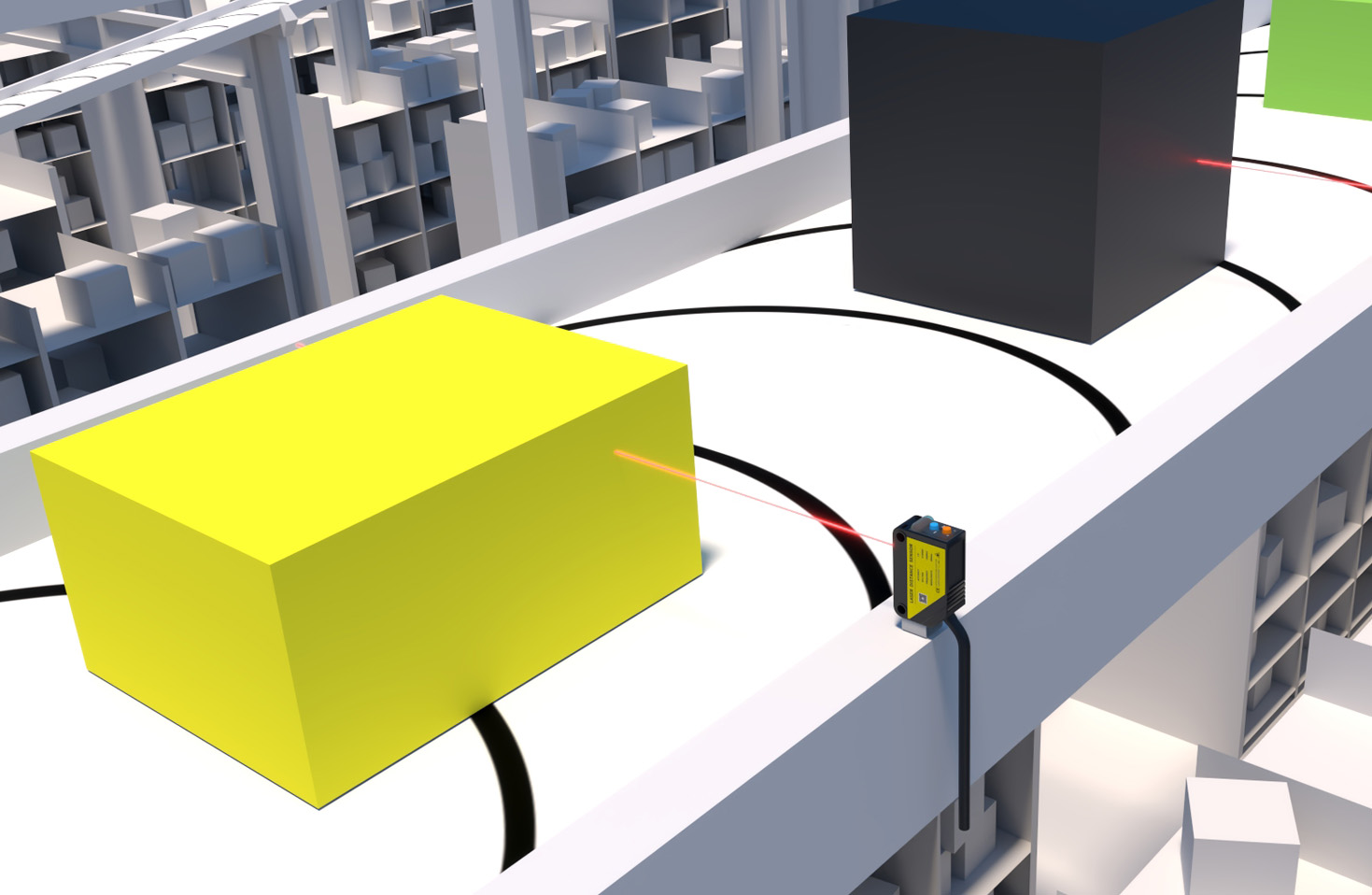
Environmental conditions cannot be overlooked. Ambient light, especially direct sunlight containing infrared components, can flood the sensor's receiver and introduce significant noise, reducing accuracy. Temperature fluctuations affect the electronic components and the laser diode's wavelength, potentially causing drift in measurements. High-precision sensors often incorporate temperature compensation circuits to mitigate this. Airborne particulates like dust, fog, or steam can attenuate or scatter the laser beam, impacting performance over longer distances.
Beyond these, the sensor's own design and calibration are paramount. The quality and stability of the laser diode, the precision of the optical components (lenses, filters), and the sophistication of the signal processing algorithms all contribute to the final accuracy specification. Advanced sensors employ digital signal processing to filter out noise and average multiple readings for a more stable output.
For users, selecting the right sensor involves a careful balance. A common pitfall is focusing solely on the accuracy number on the datasheet without considering the stated conditions. A sensor rated at ±0.1 mm accuracy might only achieve that in a controlled lab environment on an ideal target. In a real-world factory setting with vibration, temperature swings, and varying surface finishes, the effective accuracy will be different. Therefore, understanding the application's actual operating envelope is key. It is often advisable to consult with sensor manufacturers and request sample testing under conditions that mimic the final application as closely as possible.

In conclusion, laser distance sensor accuracy is not a single, fixed value but a system performance metric dependent on a confluence of technology, target, and environment. By comprehending the influence of the measurement principle, surface interaction, and external conditions, engineers and technicians can make informed choices, implement proper installation practices, and ultimately harness the full precision potential of these powerful measurement tools.