In the world of industrial automation and machinery, reliable sensing is non-negotiable. Traditional metal or plastic-housed sensors often falter when faced with impacts, vibrations, corrosive substances, or washdown procedures. This is where the unique advantages of rubber proximity sensors come into play. These specialized sensors are engineered with a robust, flexible rubber housing that encapsulates the core sensing element, typically an inductive or capacitive type. The primary function remains the same: to detect the presence or absence of a target object without physical contact. However, the rubber exterior fundamentally transforms their application profile, offering resilience that rigid sensors cannot match.
The defining characteristic of these sensors is their exceptional durability. The high-grade synthetic rubber, often a type like polyurethane or silicone, acts as a shock absorber. It can withstand direct collisions, constant scraping against surfaces, and the stresses of heavy vibration commonly found in material handling, packaging, or automotive assembly lines. This significantly reduces downtime caused by sensor damage and replacement. Furthermore, the rubber casing provides an excellent seal, typically meeting high Ingress Protection (IP) ratings such as IP67, IP68, or IP69K. This makes them impervious to dust, oils, coolants, and high-pressure, high-temperature washdowns, which is a critical requirement in food and beverage processing, pharmaceutical manufacturing, and other hygienic-sensitive industries.
Another significant benefit is their flexibility—both literal and figurative. The rubber body can be slightly deformed to fit into tight or irregular spaces where a standard sensor might not mount correctly. This allows for more creative and effective installation in complex machinery. Moreover, the non-marking, non-corrosive nature of the rubber means it can safely interact with delicate products or polished surfaces without causing scratches or damage. This is invaluable in applications involving glass, polished metals, or sensitive electronic components.
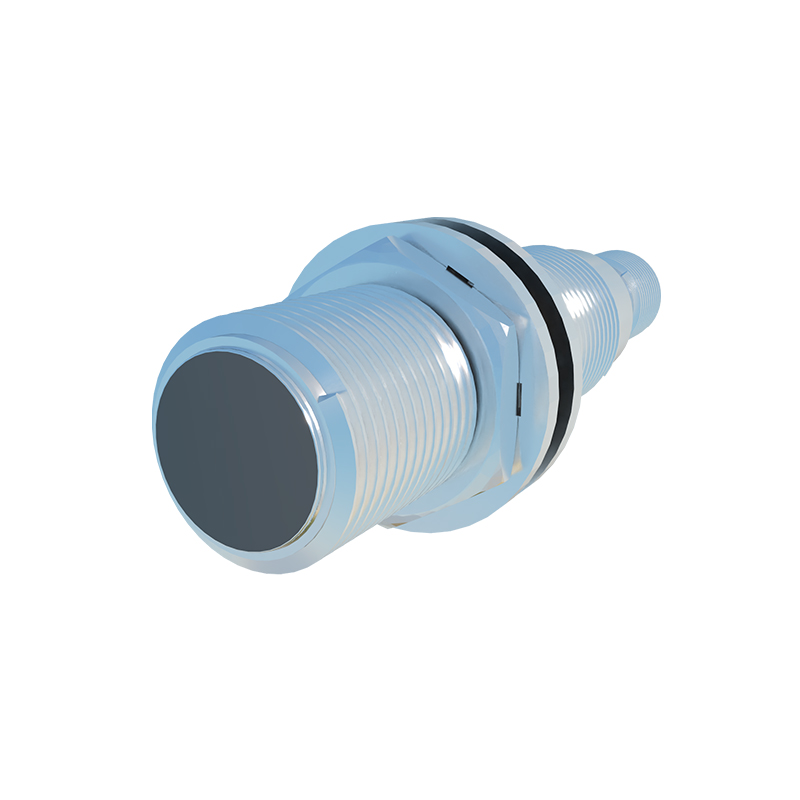
From a technical perspective, rubber proximity sensors operate on the same principles as their standard counterparts. Inductive rubber sensors generate an electromagnetic field to detect metallic objects, while capacitive versions can detect both metallic and non-metallic materials like plastics, wood, or liquids by sensing changes in capacitance. The sensing range might be slightly less than an unshielded metal sensor due to the rubber layer, but this is a worthwhile trade-off for the gained durability. Modern versions come with various output options (PNP/NPN, analog, IO-Link) and connection methods, including ruggedized cables molded directly into the rubber housing for enhanced strain relief and sealing.
Installation and maintenance are straightforward. Their robust design often allows for simple bracket mounting or even direct embedding into machinery. Maintenance is minimal; the key is to periodically clean the sensing face to ensure no residue buildup affects performance, a task made easy by their washdown-proof design. When selecting a rubber proximity sensor, engineers must consider the specific environmental challenges: the type of impacts, the chemicals involved, the required temperature range, and the necessary sensing distance and target material.
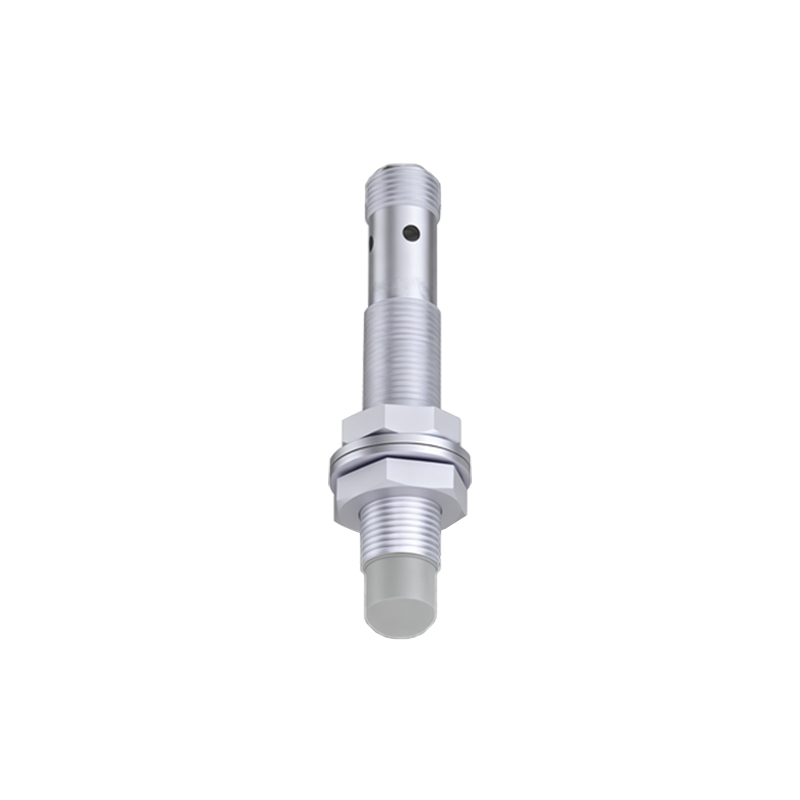
In conclusion, rubber proximity sensors represent a specialized and highly effective solution for demanding industrial environments. They bridge the gap where the need for precise, non-contact sensing meets the harsh realities of factory floors. By prioritizing durability, sealing, and physical resilience without sacrificing core sensing performance, they ensure continuous operation, reduce maintenance costs, and enhance system reliability. For any application where water, impacts, corrosion, or strict hygiene are concerns, specifying a rubber-housed proximity sensor is a strategic decision for long-term operational success.