Understanding the Core Need for Customization
In the complex landscape of modern industrial automation, standard proximity sensors often fall short. Environments saturated with electromagnetic noise from variable frequency drives (VFDs), welding equipment, or heavy machinery create significant operational challenges. Generic sensors may trigger false positives, fail to detect targets reliably, or suffer from reduced operational lifespan due to electrical stress. This reality underscores the critical need for customized anti-interference proximity sensors. Customization is not merely a luxury but a fundamental engineering requirement to ensure system integrity, maximize uptime, and guarantee safety in high-noise industrial settings. The process begins with a thorough analysis of the specific electromagnetic interference (EMI) profile and the physical constraints of the application.
Key Electrical and Shielding Standards
The cornerstone of any custom anti-interference sensor design is adherence to rigorous electrical and shielding standards. Internationally recognized benchmarks, such as IEC 60947-5-2 for proximity sensors, define basic performance criteria. However, customization demands going beyond these baseline requirements. Critical parameters include enhanced common-mode noise rejection, typically specified in volts per meter (V/m) across a frequency range (e.g., 10 V/m from 80 MHz to 1 GHz). Shielding effectiveness is paramount; this involves the use of multi-layer enclosures, often combining ferrous metal housings with internal copper or Mu-metal shields to attenuate both electric and magnetic fields. The design of the cable and connector interface is equally vital, requiring fully shielded, armored cables with 360-degree circumferential grounding to prevent noise ingress at this common vulnerability point.
Material Selection and Housing Design
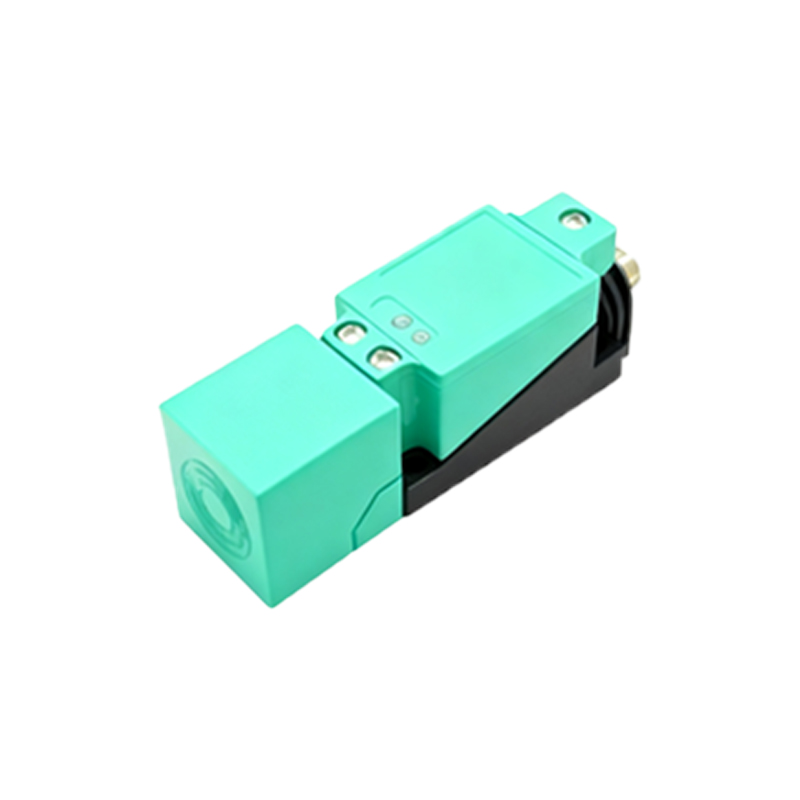
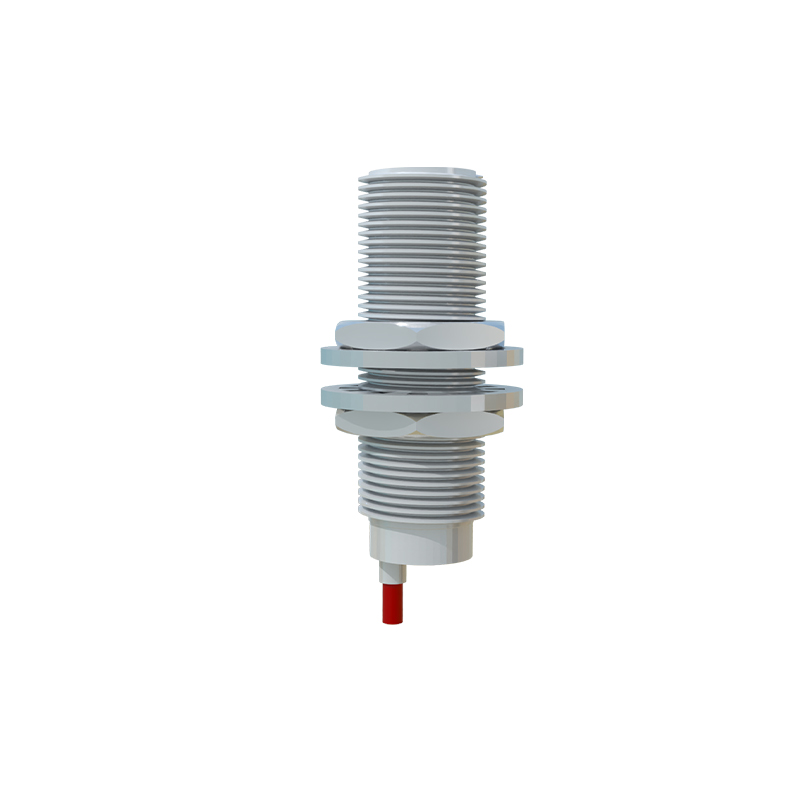
The physical construction of the sensor is the first line of defense against interference and environmental hazards. Customization standards dictate precise material selection based on the application. For instance, a sensor deployed near welding stations requires a housing made of high-temperature-resistant, galvanized steel or specialty alloys to withstand spatter and heat, while also providing excellent magnetic shielding. In chemically aggressive environments, housings from PPS (Polyphenylene Sulfide) or PVDF (Polyvinylidene Fluoride) with stainless steel sensing faces offer corrosion resistance. The housing design must ensure an IP67, IP68, or IP69K rating for ingress protection, and the geometry should be optimized to minimize eddy current losses and focus the sensor's electromagnetic field for precise detection, even when mounted flush in metal.
Output Circuit and Signal Integrity
The internal electronics and output configuration are where sophisticated anti-interference techniques are implemented. Custom standards often specify the use of differential analog outputs (e.g., 4-20mA) or push-pull transistor outputs instead of standard NPN/PNP configurations, as they offer superior noise immunity. Advanced filtering algorithms, embedded in the sensor's ASIC (Application-Specific Integrated Circuit), are calibrated to the expected noise spectrum, allowing the sensor to distinguish between a genuine target signal and EMI. For digital communication via IO-Link or AS-Interface, protocols must include error-checking and correction mechanisms. Power supply isolation, using techniques like optical isolation or isolation transformers, is a non-negotiable standard to prevent ground loops and conducted noise from propagating through the control system.
Application-Specific Testing and Validation Protocol
A custom sensor is only as good as its validated performance in a simulated real-world environment. Therefore, a comprehensive testing protocol is a critical part of the customization standard. This goes standard EMC testing (per EN 61000-6-2 and EN 61000-6-4) and includes application-specific stress tests. These involve operating the sensor in a test chamber alongside actual noise sources like operating VFDs or spark generators. Long-term stability tests under thermal cycling and vibration (per IEC 60068-2-6) are conducted to ensure mechanical integrity does not compromise shielding. Finally, the sensor must be validated in a prototype of the final machine or production line, ensuring seamless integration and flawless operation before full-scale deployment.
Documentation and Lifecycle Support
The final, often overlooked, standard in customization is exhaustive documentation and support. This includes detailed technical specifications outlining the exact EMI immunity levels achieved, material certifications, and full schematics of shielding implementation. A traceability record for components, especially shielding materials and specialized ICs, is essential for quality assurance. Furthermore, the standard should encompass lifecycle support, guaranteeing the availability of identical spare parts or approved equivalents for the projected lifespan of the industrial machinery, which can exceed 15-20 years. This ensures that the anti-interference performance is maintained throughout the sensor's service life, protecting the client's long-term investment.