Introduction to Proximity Sensors in Rail Transit
Proximity sensors are indispensable components in modern metro systems, serving as the eyes and ears of automated control. These non-contact devices detect the presence or absence of objects within a specified range, enabling precise monitoring without physical interaction. In rail transit, they are primarily used for train detection, door control, and obstacle avoidance. Their reliability and accuracy are critical, as any failure can lead to service disruptions or safety hazards. By converting physical presence into electrical signals, proximity sensors facilitate seamless communication between trains and control centers, forming the backbone of intelligent transportation networks.
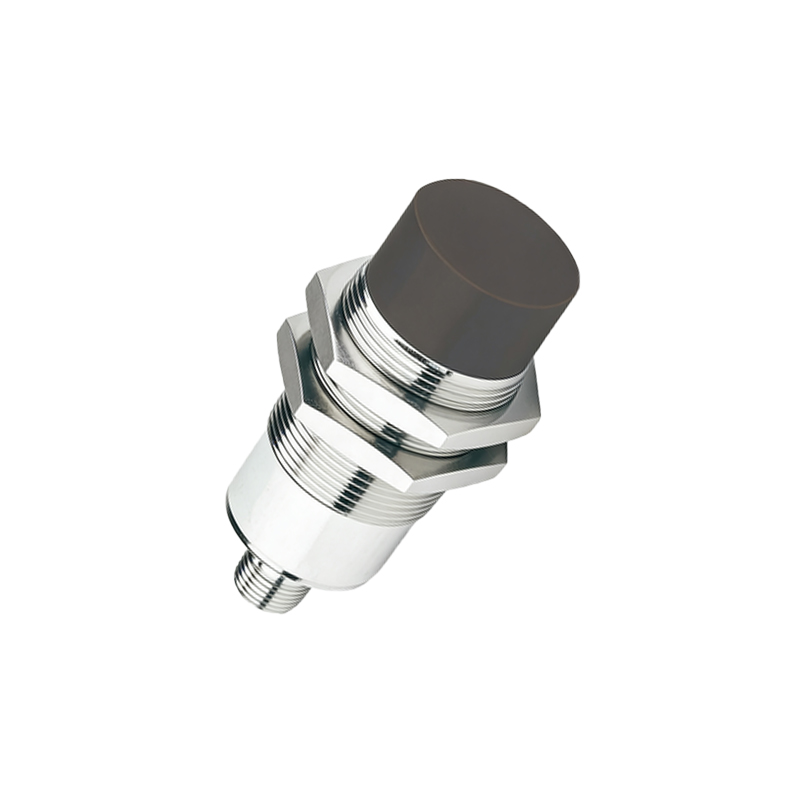
Types of Proximity Sensors Used in Metro Applications
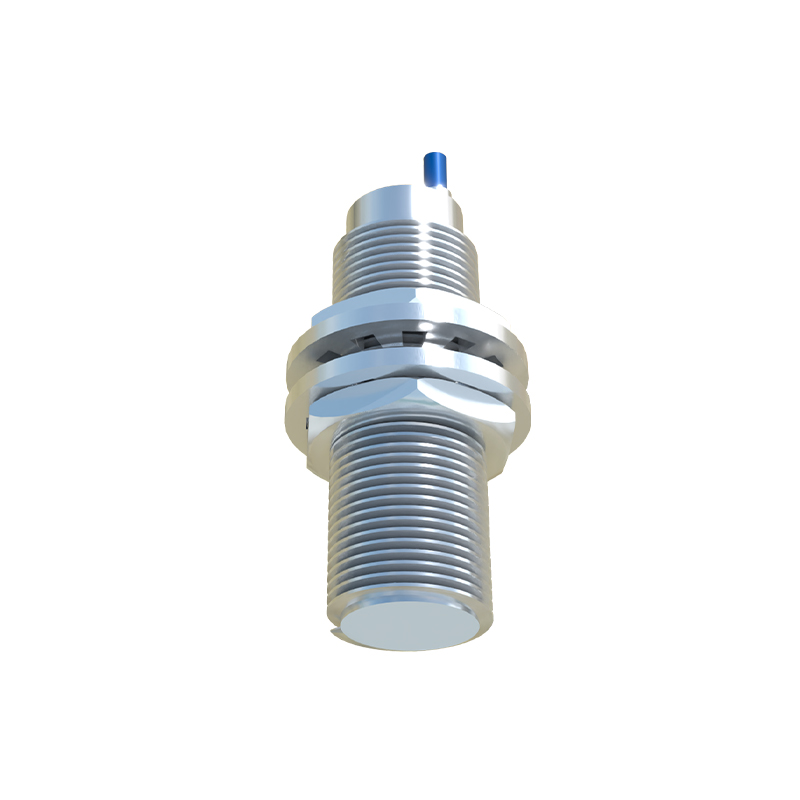
Various proximity sensor technologies are deployed in metro systems, each suited to specific operational needs. Inductive sensors are commonly employed for detecting metallic objects, such as train wheels or tracks, due to their robustness in harsh environments. Capacitive sensors handle non-metallic materials, useful in areas like passenger detection for door systems. Ultrasonic sensors measure distance by emitting sound waves, ideal for obstacle detection in tunnels or depots. Photoelectric sensors use light beams to sense objects, often applied in platform screen doors for precise alignment. The selection depends on factors like range, environmental conditions, and cost-effectiveness, ensuring optimal performance across diverse metro scenarios.
Key Applications in Train Control and Safety
In train control, proximity sensors play a vital role in ensuring safe and efficient operations. They are integrated into automatic train protection (ATP) systems to monitor train positions and speeds, preventing collisions by maintaining safe distances. At stations, sensors detect train arrival and departure, triggering announcements and door operations. For example, inductive sensors on tracks confirm train presence, while photoelectric sensors align doors with platforms. In maintenance depots, ultrasonic sensors scan for obstacles during shunting maneuvers. These applications reduce human error, enhance punctuality, and comply with stringent safety regulations, making metros more reliable for daily commuters.
Enhancing Door Systems and Passenger Flow
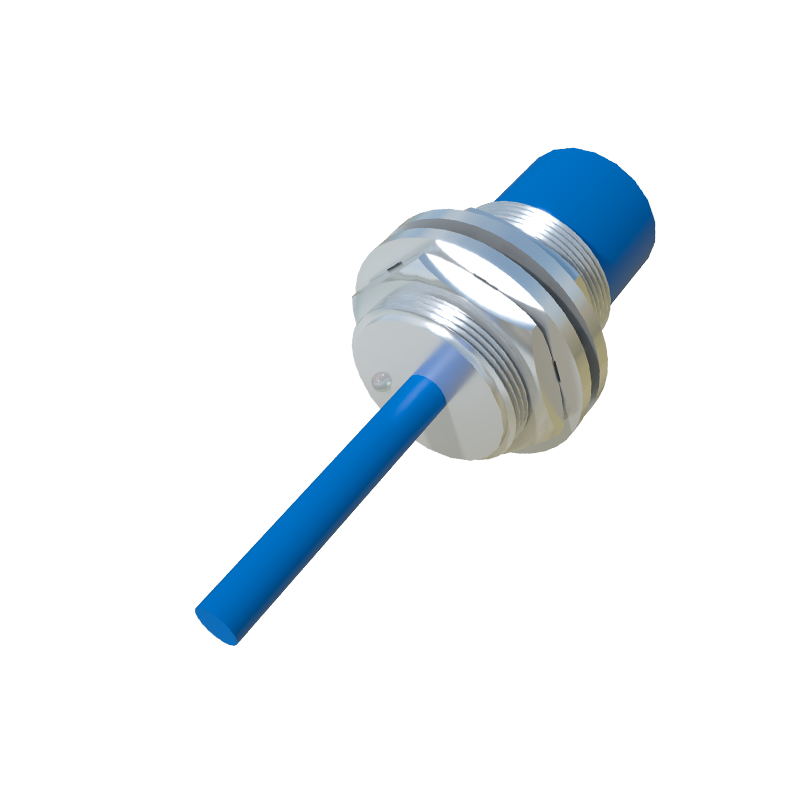
Door systems in metro cars and platforms rely heavily on proximity sensors for smooth functionality. Sensors ensure doors open and close accurately, preventing accidents like entrapment. Capacitive sensors detect passengers near doors, delaying closure if someone is too close. On platforms, sensors monitor crowd density, optimizing door cycles to manage passenger flow during peak hours. This not only improves safety but also reduces dwell times, increasing overall system efficiency. Advanced systems use sensor data to predict maintenance needs, such as worn components, minimizing downtime and ensuring consistent service availability.
Challenges and Environmental Considerations
Deploying proximity sensors in metro environments presents unique challenges. Harsh conditions like dust, moisture, and electromagnetic interference can affect sensor accuracy. For instance, inductive sensors may malfunction near high-voltage lines, requiring shielding or specialized designs. Temperature fluctuations in tunnels demand sensors with wide operating ranges. Additionally, vandalism or accidental damage in public areas necessitates durable enclosures. Engineers address these by selecting industrial-grade sensors, conducting regular calibration, and implementing redundancy. Environmental sustainability is also considered, with sensors designed for low power consumption and long lifespans to reduce waste.
Future Trends and Technological Advancements
The future of proximity sensors in metro systems is driven by innovation and digitalization. Smart sensors with IoT connectivity enable real-time data analytics, predicting failures before they occur. For example, AI algorithms can analyze sensor outputs to optimize train schedules or detect anomalies in track conditions. Miniaturization allows for more compact installations without compromising performance. Emerging technologies like LiDAR (Light Detection and Ranging) offer high-resolution detection for autonomous train operations. As metros evolve toward fully automated networks, proximity sensors will become even more integral, supporting goals like energy efficiency, reduced maintenance costs, and enhanced passenger experiences through seamless integration.
Conclusion: The Integral Role in Modern Metros
Proximity sensors are fundamental to the safety, efficiency, and reliability of metro systems worldwide. From train control to passenger management, they provide critical data that automates operations and mitigates risks. As urban populations grow and demand for public transit increases, the role of these sensors will expand, driven by advancements in technology and a focus on sustainability. By investing in robust sensor solutions, metro operators can ensure smoother rides, fewer delays, and a safer environment for all. Ultimately, proximity sensors exemplify how engineering innovations transform everyday transportation into smarter, more responsive networks.