Understanding Proximity Sensor Temperature Ratings
Proximity sensors, the workhorses of industrial automation, are frequently deployed in challenging environments. A common and critical question from engineers and maintenance personnel is: "Can proximity sensors withstand high temperatures?" The answer is not a simple yes or no, but rather a detailed exploration of specifications, technologies, and application limits. Every proximity sensor is designed with specific operational parameters, and temperature tolerance is a primary factor. Manufacturers define these limits through two key ratings: the ambient operating temperature and the housing temperature. Exceeding these ratings can lead to premature failure, inaccurate sensing, or permanent damage. Therefore, a thorough understanding of these specifications is the first step in ensuring reliable performance in high-heat applications such as foundries, plastic molding, metal processing, and engine compartments.
Key Factors Influencing High-Temperature Performance
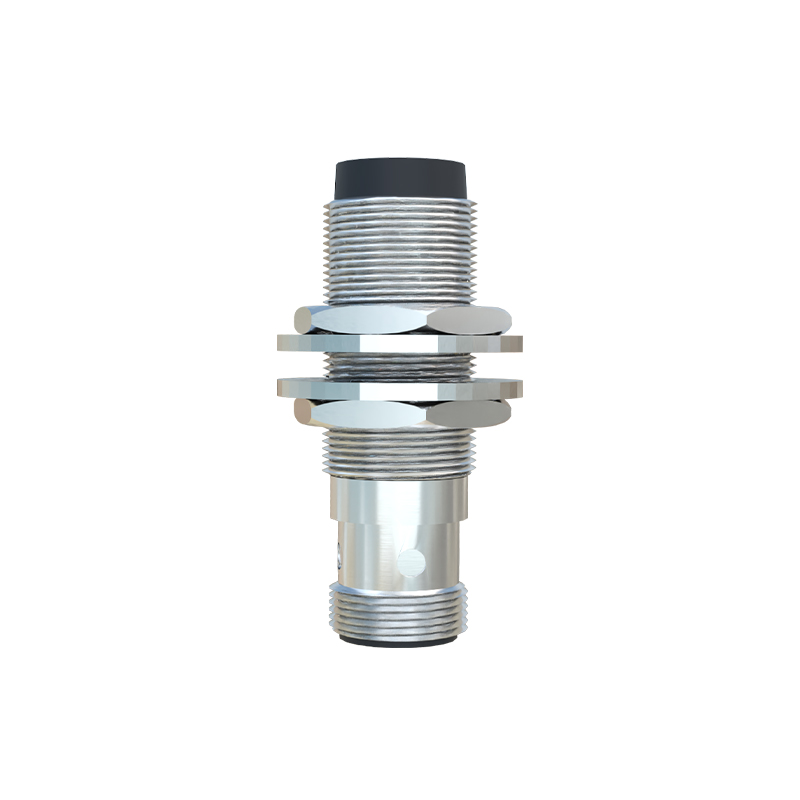
Several core components within a proximity sensor dictate its thermal resilience. The sensing element itself, whether inductive, capacitive, or photoelectric, has inherent thermal limitations. For instance, the oscillator circuit in an inductive sensor can drift with temperature changes, affecting the sensing distance. The integrated circuitry and semiconductors have strict maximum junction temperatures. Perhaps the most vulnerable component is often the cable or connector. Standard PVC cables can begin to degrade at temperatures as low as 105°C. Furthermore, the housing material—typically PBT, PPS, or stainless steel—must maintain its structural integrity and sealing properties. The potting compound used to protect internal electronics from vibration and moisture also has a critical glass transition temperature. All these elements must be harmoniously engineered to achieve a high-temperature rating.
Standard vs. High-Temperature Sensor Designs
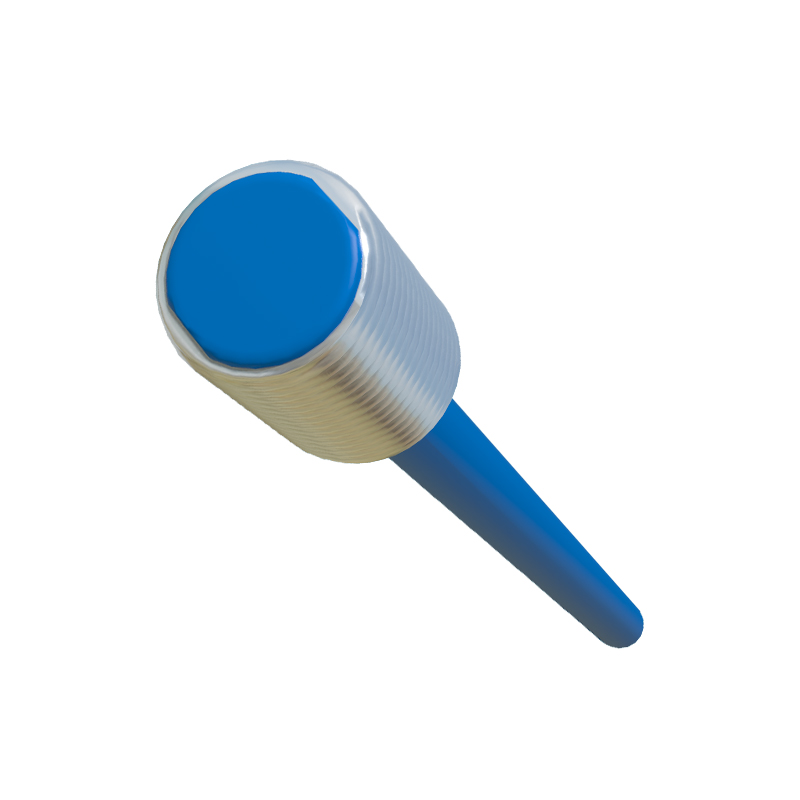
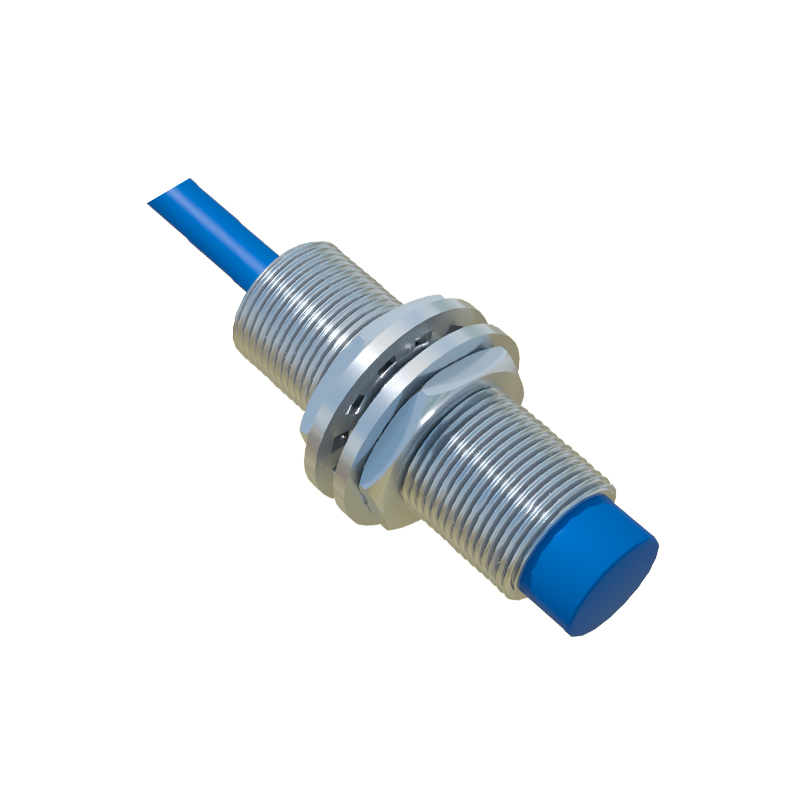
Standard industrial proximity sensors are commonly rated for an ambient operating temperature range of -25°C to +70°C. For more demanding environments, high-temperature variants are explicitly engineered. These specialized sensors can reliably operate in ambient temperatures ranging from -40°C up to +150°C or even higher, with some models rated for over 200°C. The design differences are significant. They utilize high-temperature plastics like LCP (Liquid Crystal Polymer) or ceramic-filled PPS for housings. Internal wiring employs PTFE (Teflon) or silicone insulation. The electronic components are selected from high-temperature-grade batches, and the potting is done with specialized silicone gels that remain stable under thermal cycling. It is crucial to note that the rated sensing distance may be reduced at the extreme upper end of the temperature range, a detail always specified in the datasheet.
Practical Considerations for Installation and Use
Selecting a sensor with an appropriate temperature rating is only part of the solution. Proper installation is paramount. Engineers must consider both the ambient temperature and the heat radiated or conducted from the target object or machine. For example, a sensor mounted on a hot die-casting machine may be exposed to radiant heat far exceeding the general ambient air temperature. In such cases, using a thermal barrier or heat shield, increasing the air gap around the sensor, or employing a remote amplifier setup (where only the robust sensing face is in the hot zone) are effective strategies. Ensuring adequate clearance from other heat sources and promoting airflow, if possible, can significantly extend sensor life. Always follow the manufacturer's mounting instructions, as improper metal-to-metal contact can create a thermal bridge.
Testing and Certification for Reliability
Reputable manufacturers subject their high-temperature proximity sensors to rigorous testing to validate performance claims. This includes long-duration soak tests at maximum rated temperatures, thermal shock cycling, and testing under load. Certifications and standards, such as those from UL or IEC, often include temperature testing protocols. When evaluating a sensor for a critical high-temperature application, reviewing these test reports or certifications provides an additional layer of confidence. It is also advisable to consider the sensor's performance over its entire temperature range, not just the maximum, as factors like switching frequency and output current may be derated at elevated temperatures.
Conclusion and Best Practices
In conclusion, proximity sensors can indeed be engineered to withstand high temperatures, but careful selection and application are required. The best practice is to always choose a sensor whose maximum rated ambient temperature exceeds the actual measured temperature at the installation point by a safe margin, typically 20-25%. Never assume a standard sensor will suffice. Consult the detailed technical datasheet, paying close attention to both the ambient and housing temperature ratings. Partner with suppliers who offer specialized high-temperature product lines and can provide application engineering support. By respecting thermal limits and implementing sound installation practices, proximity sensors will deliver robust and reliable service, even in the most thermally demanding industrial environments.