Introduction to Small Proximity Switch Sensors
Small proximity switch sensors are indispensable devices in the realm of industrial automation and control systems. These compact, non-contact sensors detect the presence or absence of objects within a specified range without physical contact, making them ideal for applications where durability, precision, and reliability are paramount. Typically utilizing electromagnetic fields, capacitive effects, or ultrasonic waves, they operate silently and efficiently, minimizing wear and tear compared to mechanical switches. Their small size allows for easy integration into tight spaces, such as robotic arms, conveyor systems, and assembly lines, where they contribute to enhanced operational safety and productivity. As industries increasingly adopt smart manufacturing practices, the role of these sensors has expanded, supporting real-time monitoring and data collection for predictive maintenance and process optimization.
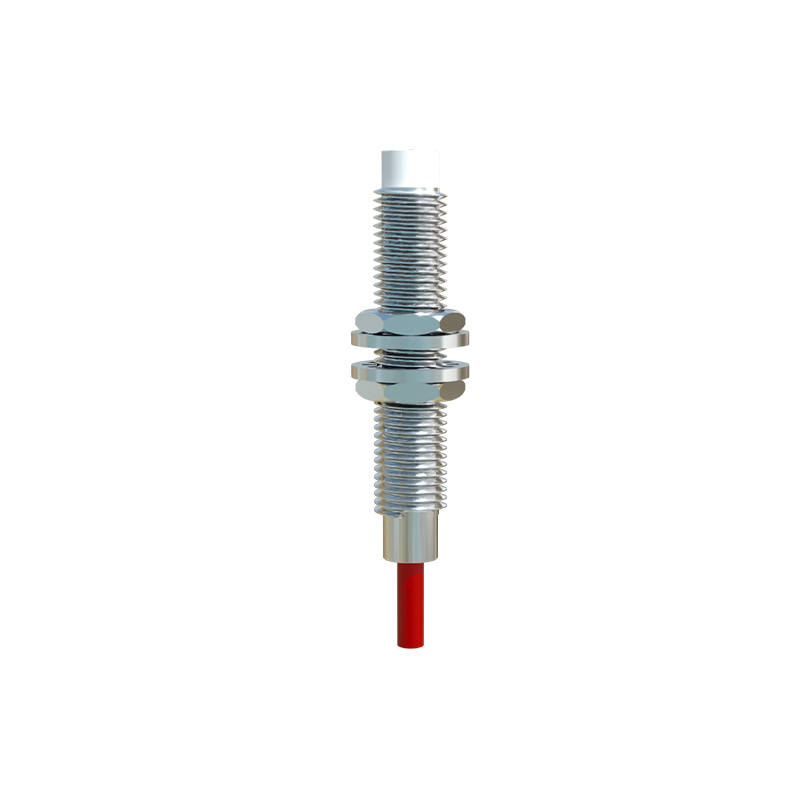
Key Operating Principles and Technologies
The functionality of small proximity switch sensors hinges on advanced sensing technologies, primarily inductive, capacitive, and magnetic types. Inductive sensors generate an oscillating electromagnetic field to detect metallic objects, making them suitable for harsh environments with dust, moisture, or vibrations. Capacitive sensors, on the other hand, respond to both metallic and non-metallic materials by measuring changes in capacitance, often used in liquid level detection or plastic handling. Magnetic sensors rely on Hall effect or reed switch mechanisms to sense magnetic fields, commonly applied in position sensing for cylinders or safety interlocks. Each technology offers distinct advantages: inductive sensors excel in high-speed detection, capacitive sensors provide versatility, and magnetic sensors ensure low-power consumption. Understanding these principles helps engineers select the right sensor for specific industrial tasks, ensuring optimal performance and longevity.
Applications Across Various Industries
Small proximity switch sensors find widespread use across diverse sectors, from automotive manufacturing to food processing and packaging. In automotive plants, they monitor part positioning on assembly lines, ensuring precise welding and fitting operations. In the food industry, capacitive sensors detect fill levels in containers, while inductive sensors count metallic items on conveyors, maintaining hygiene standards by avoiding contact with products. Robotics heavily relies on these sensors for end-effector positioning and collision avoidance, enhancing automation flexibility. Additionally, in logistics and warehousing, they facilitate inventory tracking and automated sorting systems. Their ability to operate in extreme temperatures and corrosive environments makes them valuable in chemical and pharmaceutical industries, where safety and accuracy are critical. By enabling seamless automation, these sensors drive efficiency, reduce downtime, and lower operational costs.
Benefits and Advantages in Automation Systems
The adoption of small proximity switch sensors brings numerous benefits to modern automation setups. Their non-contact nature eliminates mechanical wear, leading to longer service life and reduced maintenance needs. High switching speeds allow for rapid detection in fast-paced production lines, improving throughput and responsiveness. These sensors are also known for their robustness, with many models featuring IP67 or higher ingress protection ratings, making them resistant to water, oil, and debris. Energy efficiency is another key advantage, as they consume minimal power, aligning with sustainable industrial practices. Furthermore, their compact design facilitates easy installation and retrofitting into existing systems without major modifications. By providing reliable object detection, they enhance safety by preventing machine collisions and ensuring proper sequencing, ultimately contributing to higher product quality and operational consistency.
Selection Criteria and Installation Tips
Choosing the right small proximity switch sensor requires careful consideration of several factors. Engineers must evaluate the sensing distance, material type of the target object, environmental conditions, and output requirements (e.g., NPN or PNP configurations). For instance, inductive sensors are preferred for metal detection in dirty settings, while capacitive sensors suit non-metallic applications. The housing material, such as stainless steel or plastic, should match the operational environment to prevent corrosion or damage. During installation, proper alignment and mounting are crucial to avoid false triggers; sensors should be positioned away from electromagnetic interference sources like motors or cables. Regular calibration and testing ensure accurate performance, and following manufacturer guidelines for wiring and voltage ratings prevents electrical issues. By adhering to these best practices, users can maximize sensor reliability and extend their operational lifespan.
Future Trends and Innovations
The future of small proximity switch sensors is shaped by ongoing technological advancements and the rise of Industry 4.0. Innovations include miniaturization for even smaller footprints, enabling integration into micro-automation and IoT devices. Smart sensors with embedded diagnostics and communication protocols, such as IO-Link, are gaining traction, allowing for real-time data exchange and remote monitoring. Enhanced sensitivity and multi-functional capabilities, like combining proximity sensing with temperature or pressure measurement, are expanding their applications. Additionally, energy-harvesting designs aim to reduce dependency on external power sources. As artificial intelligence and machine learning evolve, these sensors will play a pivotal role in predictive analytics, enabling self-optimizing systems that