Understanding the Critical Role of Proximity Sensors
In the intricate world of industrial automation and machinery, proximity sensors stand as silent sentinels. These non-contact detection devices are fundamental to countless processes, from ensuring precise positioning on an assembly line to safeguarding personnel by monitoring machine guard positions. Their ability to detect the presence or absence of an object without physical contact translates to enhanced reliability, reduced wear and tear, and improved operational efficiency. Given their pivotal role, any issue—be it selection, installation, configuration, or troubleshooting—can lead to significant downtime and production losses. This underscores the necessity for immediate, expert technical support, which is precisely what a dedicated proximity sensor inquiry hotline provides.
When to Utilize the Proximity Sensor Support Hotline
Knowing when to pick up the phone can save hours of frustration. The expert hotline is your first point of contact for a multitude of scenarios. Are you facing intermittent detection failures or false triggers? An engineer can guide you through environmental diagnostics, checking for interference from welding equipment, other sensors, or metallic chips. Are you integrating a new sensor into an existing system and unsure about the wiring, output type (PNP/NPN), or compatibility with your PLC? The hotline provides clear, step-by-step guidance. Selection dilemmas, such as choosing between inductive, capacitive, ultrasonic, or magnetic sensors for a specific material or application, are swiftly resolved. Furthermore, for urgent troubleshooting during a production halt, the hotline serves as a critical lifeline to restore operations rapidly.
The Expertise Behind the Call: What to Expect
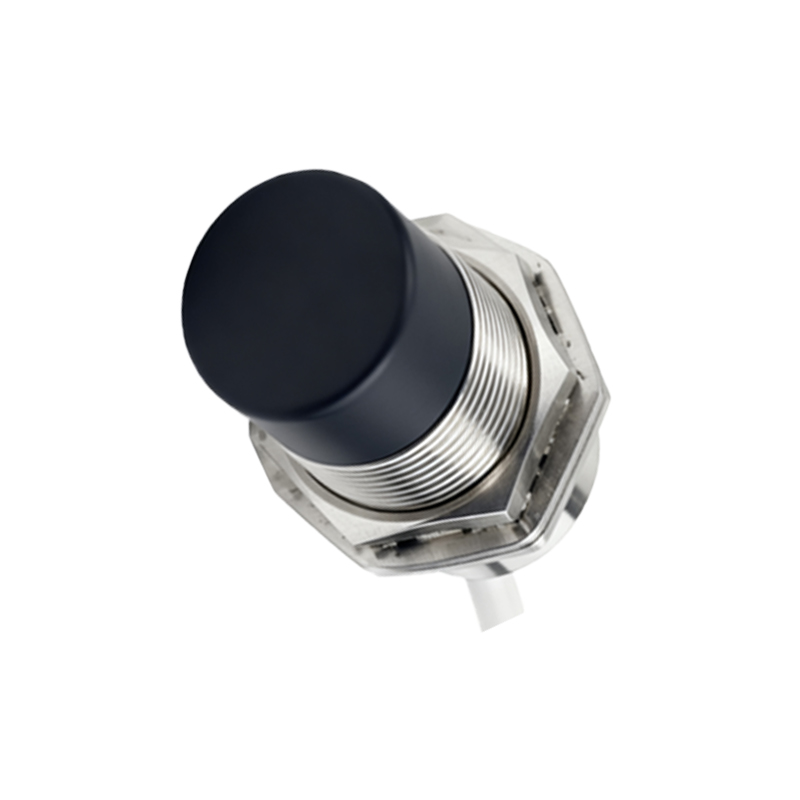
Dialing the proximity sensor inquiry number connects you directly to a team of seasoned application engineers and technical specialists. These professionals possess deep, practical knowledge of sensor technologies, industry standards, and real-world application challenges. When you call, be prepared to provide key details: the sensor model and manufacturer, the target material, the specific symptoms of the issue, and your operating environment. The specialist will then engage in a structured diagnostic conversation, often leading to an immediate solution. This interaction goes beyond simple troubleshooting; it is an opportunity for knowledge transfer, where you gain insights into best practices for mounting, shielding, and maintaining your sensors to prevent future issues.
Beyond Troubleshooting: Value-Added Services via the Hotline
While reactive support is crucial, the hotline's value extends into proactive and strategic areas. Engineers can assist with application feasibility studies, helping you validate a sensor choice before purchase. They offer guidance on product lifecycle questions, including recommendations for modern equivalents of legacy models. For complex projects, the hotline can facilitate direct connection with product managers or design engineers for in-depth consultation. Additionally, they can direct you to essential resources such as technical datasheets, 2D/3D CAD models for integration into your designs, installation manuals, and certification documents (e.g., ATEX, IECEx for hazardous areas), ensuring your project complies with all necessary regulations.
Optimizing Your Inquiry for a Faster Resolution
To ensure you receive the most efficient support, a little preparation is invaluable. Before calling, gather all relevant information. Have the sensor's part number and a description of the application ready. Note the symptoms precisely: Is the output LED behaving erratically? Is the sensing distance inconsistent? Document the electrical details, such as supply voltage and load current. If possible, have a multimeter on hand to perform basic voltage checks as guided by the engineer. Clearly communicating your operational goal—"I need to detect a transparent plastic bottle at 10mm"—is often more helpful than just describing the problem. This preparedness enables the support engineer to bypass generic questions and deliver a targeted, effective solution.
The Strategic Advantage of Direct Expert Access
In today's competitive landscape, minimizing machine downtime is not just an operational goal but a strategic imperative. A dedicated proximity sensor inquiry hotline transforms a generic component into a supported solution. It provides a direct conduit to specialized knowledge that is often not available through general distributor channels. This access reduces mean time to repair (MTTR), empowers your maintenance and engineering teams with deeper understanding, and ultimately protects your productivity and bottom line. Establishing a relationship with this technical support resource is an investment in operational resilience, ensuring that a simple sensor does not become the single point of failure in a sophisticated automated system.