Introduction to Proximity Sensors
Proximity sensors are non-contact devices that detect the presence or absence of objects within a defined range. Utilizing technologies such as inductive, capacitive, ultrasonic, and photoelectric principles, these sensors generate an output signal without physical contact. This capability makes them ideal for harsh environments where contamination, wear, or mechanical stress could compromise performance. Their reliability, speed, and durability have led to widespread adoption across numerous sectors, transforming automation and control systems. From manufacturing floors to consumer electronics, proximity sensors serve as critical components that enhance efficiency, safety, and precision.
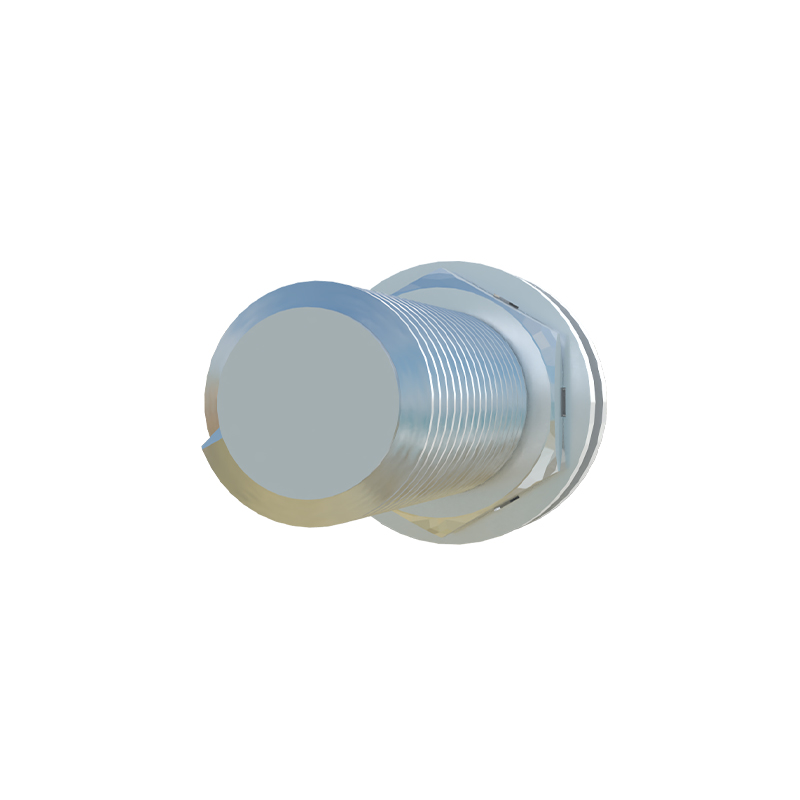
Industrial Automation and Manufacturing
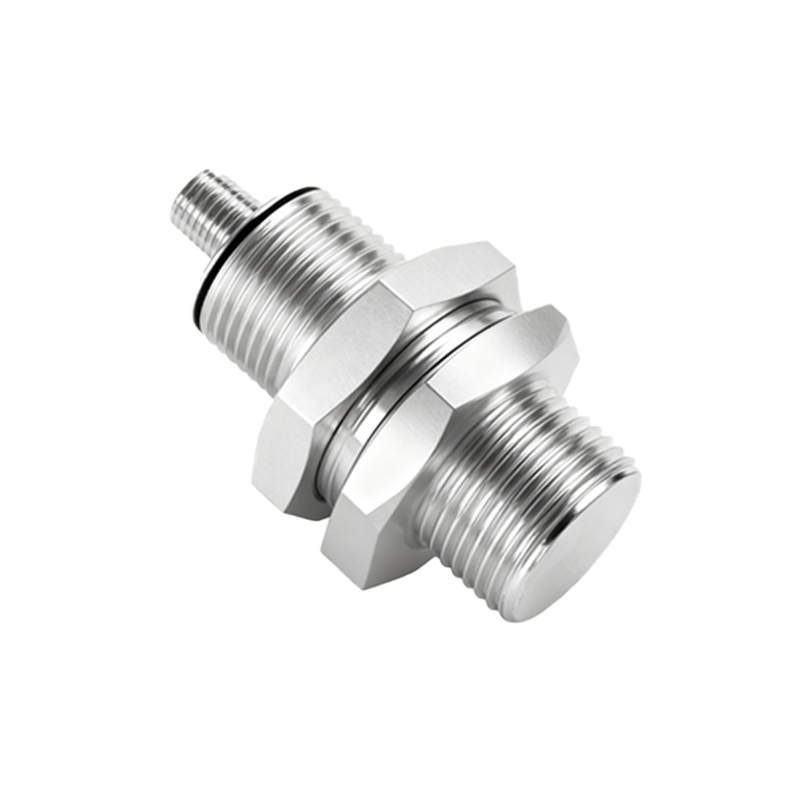
In industrial settings, proximity sensors are fundamental to automation processes. They are extensively used for object detection, positioning, and counting on assembly lines. For instance, inductive sensors detect metallic parts in machinery, ensuring proper alignment in robotic arms or conveyor systems. Capacitive sensors can identify non-metallic materials like plastics or liquids, enabling quality control in packaging operations. These sensors help prevent collisions, monitor production rates, and trigger automated actions, reducing downtime and minimizing human intervention. Their robustness in dirty or high-vibration environments makes them indispensable for maintaining continuous, efficient manufacturing workflows.
Automotive Industry Applications
The automotive sector relies heavily on proximity sensors for both manufacturing and vehicle functionality. During production, sensors assist in precise part placement, weld detection, and inventory management. In modern vehicles, they are integrated into safety and convenience features. Ultrasonic sensors in parking assist systems measure distances to obstacles, alerting drivers to potential collisions. Inductive sensors monitor wheel speed for anti-lock braking systems (ABS), while capacitive sensors enable touch-sensitive controls on dashboards. These applications enhance driver safety, improve fuel efficiency through optimized systems, and contribute to the advancement of autonomous driving technologies.
Consumer Electronics and Home Appliances
Proximity sensors have become ubiquitous in consumer devices, enhancing user experience and energy conservation. In smartphones, infrared or capacitive sensors detect when the phone is near a user's face during calls, automatically turning off the display to prevent accidental touches and save battery life. Similarly, automatic faucets and soap dispensers in public restrooms use infrared sensors for hands-free operation, promoting hygiene. Home appliances like robotic vacuums employ ultrasonic sensors to navigate and avoid obstacles, while smart lighting systems use motion detection to activate lights only when needed, reducing energy consumption.
Healthcare and Medical Devices
In healthcare, proximity sensors contribute to precision and safety in medical equipment. They are used in diagnostic machines for sample positioning, ensuring accurate readings in devices like MRI scanners or blood analyzers. Non-contact sensors help maintain sterile environments by enabling touchless operation of surgical tools or hospital beds, minimizing infection risks. Additionally, wearable health monitors incorporate sensors to track patient movements or detect falls, providing alerts for emergency response. These applications support improved patient care, operational efficiency, and the development of advanced telemedicine solutions.
Aerospace and Defense Systems
The aerospace and defense industries utilize proximity sensors for critical monitoring and control functions. In aircraft, sensors detect landing gear position, monitor engine components for wear, and ensure door security during flight. Military applications include obstacle detection for unmanned aerial vehicles (UAVs) and perimeter security systems that identify intrusions without physical contact. The high reliability and ability to operate in extreme temperatures or pressures make these sensors vital for mission success and safety. They enable real-time data collection, enhancing situational awareness and system integrity in demanding environments.
Food and Beverage Processing
Proximity sensors play a key role in food and beverage production, where hygiene and accuracy are paramount. Stainless steel inductive sensors withstand frequent washdowns and detect metal contaminants in processing lines, preventing product contamination. Capacitive sensors monitor fill levels in containers, ensuring consistent packaging without direct contact with food items. By automating tasks like bottling or sorting, these sensors help maintain high standards of quality control, reduce waste, and comply with stringent industry regulations, all while operating efficiently in wet or corrosive conditions.
Future Trends and Innovations
As technology evolves, proximity sensors are becoming smarter and more integrated. The rise of the Internet of Things (IoT) allows sensors to connect wirelessly, enabling predictive maintenance and data analytics in industrial networks. Miniaturization is expanding their use in compact devices, while advancements in materials improve sensitivity and range. Emerging applications include smart cities for traffic management and environmental monitoring, as well as augmented reality systems that rely on precise object detection. Ongoing research focuses on energy-harvesting sensors and AI-enhanced diagnostics, promising even greater efficiency and adaptability across sectors.