Introduction to Photoelectric Sensing Technology
Photoelectric sensors are fundamental components in modern industrial automation, utilizing light beams to detect the presence, absence, or distance of objects. In the industrial heartland of Milan, Italy, a global hub for manufacturing and design, these sensors play a critical role in ensuring precision, efficiency, and safety across diverse sectors. The core principle involves an emitter light source, typically an LED, and a receiver. When the emitted light is interrupted or reflected by a target object, the receiver detects the change, triggering an electrical output signal. This simple yet robust mechanism forms the backbone of countless automated processes, from packaging and material handling to automotive assembly lines prevalent in the Lombardy region surrounding Milan.
Key Types and Their Applications in Milanese Industry
Several photoelectric sensor types are deployed throughout Milan's industrial landscape, each suited to specific challenges. Through-beam sensors, with separate emitter and receiver units, offer the longest sensing ranges and highest reliability, ideal for precise object detection on high-speed bottling lines in the food and beverage sector. Retro-reflective sensors use a reflector to bounce the beam back to a combined unit, commonly found in warehouse and logistics automation for pallet detection. Diffuse reflective sensors detect objects by measuring the light reflected directly from the target, making them perfect for proximity sensing on robotic arms in automotive manufacturing plants. The choice depends on factors like required sensing distance, target material, environmental conditions, and required precision, all carefully considered by Milan's engineering teams.
Technical Specifications and Selection Criteria
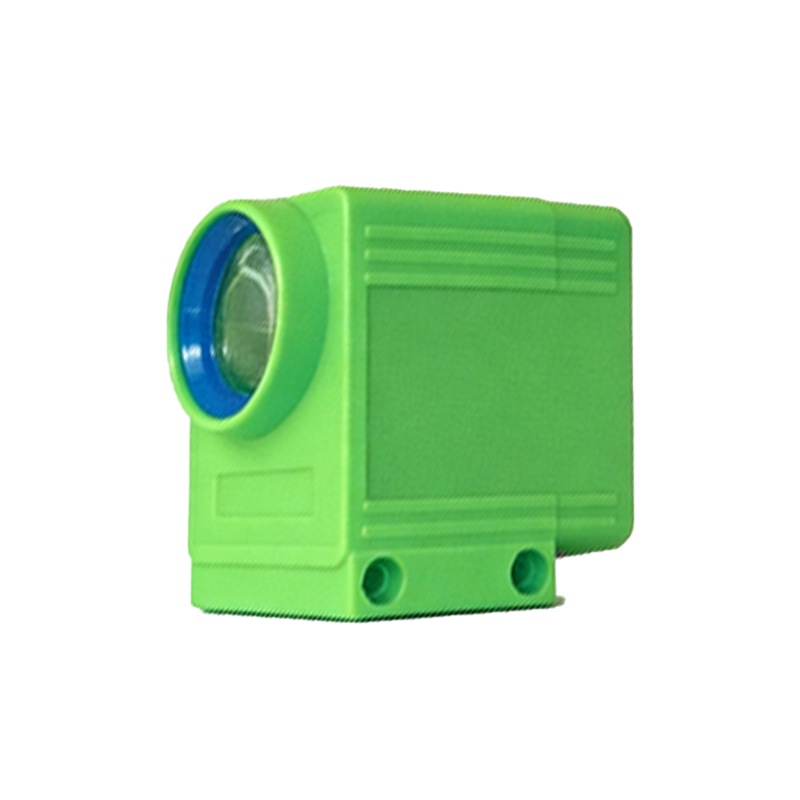
Selecting the correct photoelectric sensor for an application in Milan's competitive industrial environment requires careful analysis of technical parameters. Sensing range, typically from a few centimeters to several meters, is paramount. Response time, measured in milliseconds, determines the sensor's suitability for high-speed production lines. The type of light source—red, green, blue, or infrared LED, or even laser—affects detection capabilities for different colored or transparent materials, crucial for Milan's textile and design industries. Environmental sealing (IP ratings) is vital to withstand dust, moisture, and washdowns common in food processing. Output configurations (PNP/NPN, analog, IO-Link) must integrate seamlessly with the prevalent PLC and control systems used in Italian automation.
Integration with Industry 4.0 and Smart Factories
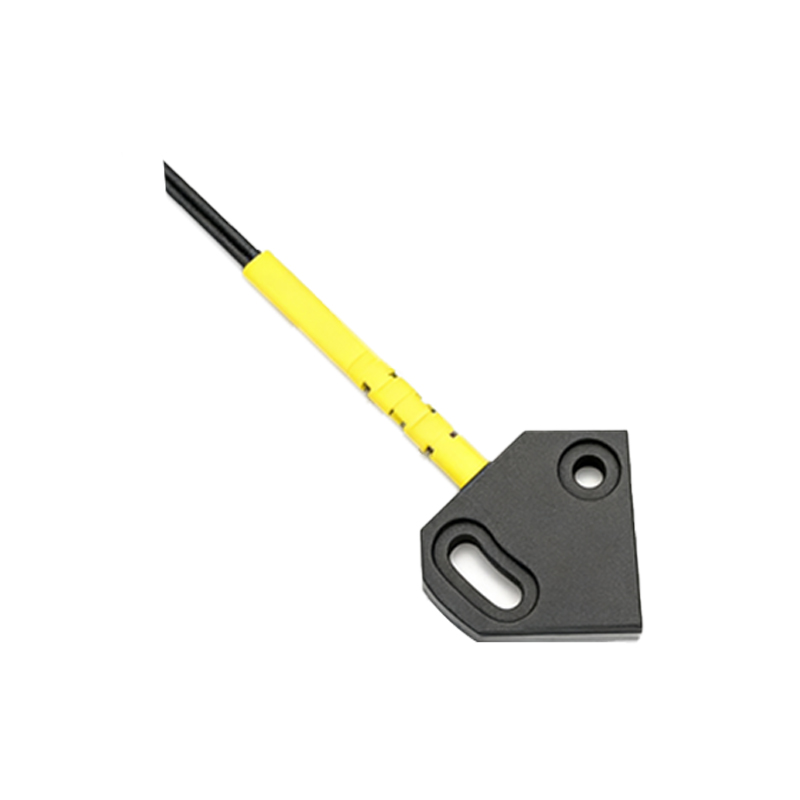
Milan is at the forefront of the Industry 4.0 revolution in Italy, and photoelectric sensors are evolving into smart, connected devices. Modern sensors feature advanced diagnostics, condition monitoring, and direct communication via industrial Ethernet protocols like PROFINET and EtherNet/IP. This allows for predictive maintenance, reducing downtime in critical manufacturing processes. Data from sensor networks can be aggregated to optimize production flow, track assets, and enhance overall equipment effectiveness (OEE). The integration of photoelectric sensors into the Internet of Things (IoT) framework is transforming traditional factories in the Milan area into adaptive, data-driven smart factories.
Installation, Alignment, and Maintenance Best Practices
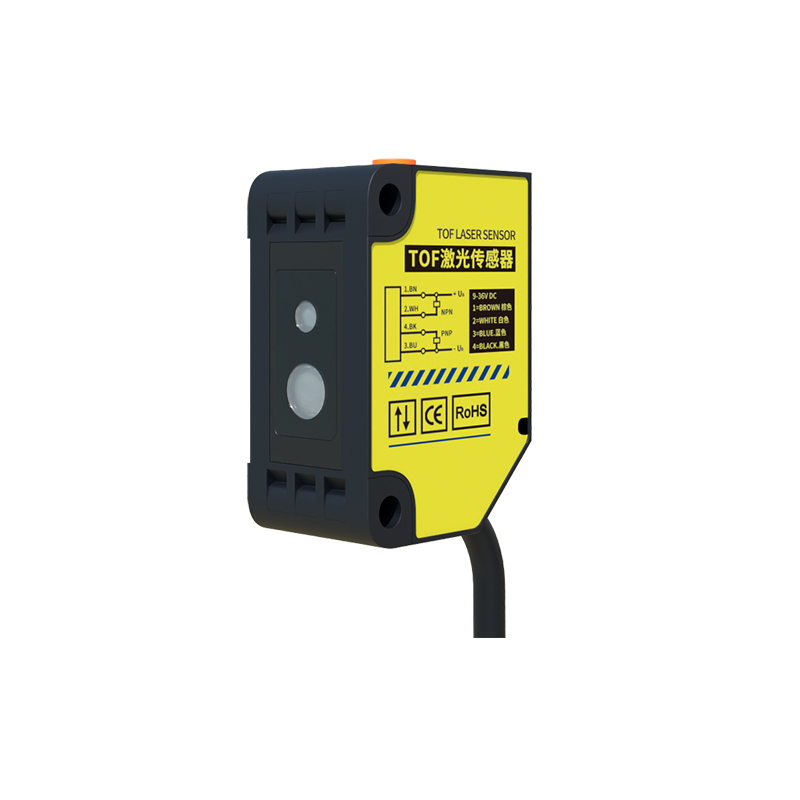
Proper installation is critical for reliable operation. In Milan's bustling industrial settings, engineers must ensure secure mounting to minimize vibration effects. Precise optical alignment is essential, especially for through-beam and retro-reflective types; many modern sensors feature visible light beams or alignment indicators to simplify this process. Regular maintenance involves cleaning lenses to prevent false triggers from dust or debris—a common issue in manufacturing environments. Periodic functional checks against known standards ensure long-term accuracy. Training for maintenance personnel on troubleshooting common issues like electrical interference, misalignment, or lens contamination is a standard practice among leading Milanese industrial firms.
Future Trends and Innovations
The future of photoelectric sensing in Milan's industrial sector points towards greater intelligence, miniaturization, and versatility. Sensors with integrated background suppression and advanced logic functions can distinguish between target objects and complex backgrounds. The development of multi-functional sensors that combine photoelectric sensing with measurement or vision capabilities is on the rise. Furthermore, enhanced connectivity for seamless cloud integration and the use of AI for pattern recognition directly at the sensor level are emerging trends. These innovations will continue to support Milan's reputation for advanced engineering and high-quality manufacturing, driving productivity and enabling new, more complex automated applications.