Introduction to Proximity Sensing in Tool Turrets
In the high-stakes environment of CNC machining, the tool turret stands as a critical component, responsible for the rapid and accurate selection of cutting tools. The reliability of its indexing mechanism directly impacts machining precision, cycle time, and overall equipment effectiveness. At the heart of this reliability lies a seemingly simple yet profoundly important device: the proximity sensor. These non-contact sensors are tasked with confirming the precise rotational position of the turret, ensuring that each tool is locked securely into its designated machining station before a cycle begins. Their role transcends mere detection; they are guardians of positional integrity, preventing catastrophic collisions and guaranteeing repeatability down to micron-level tolerances.
Core Operating Principles and Technologies
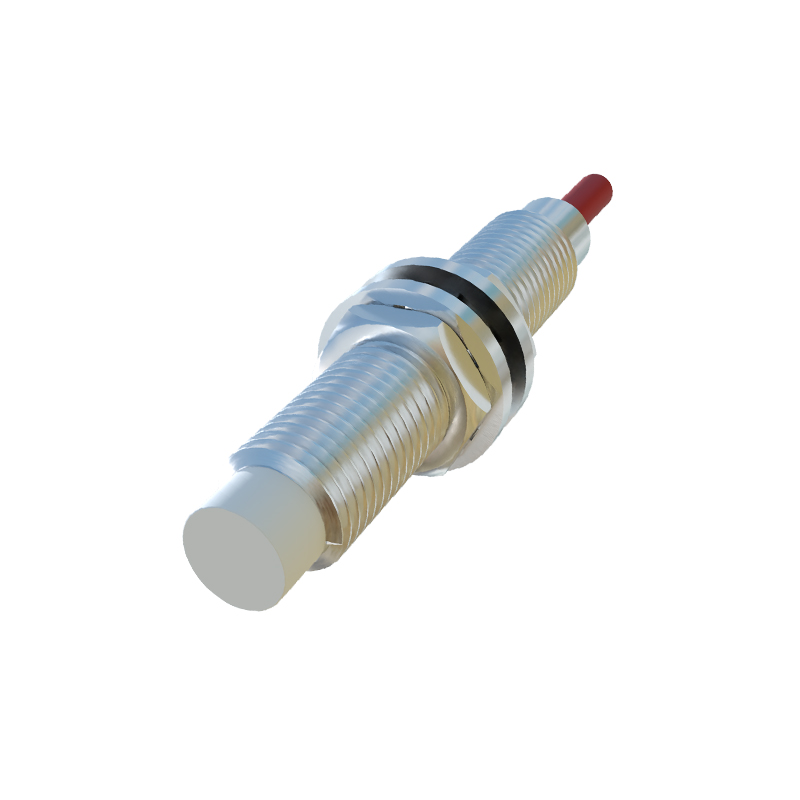
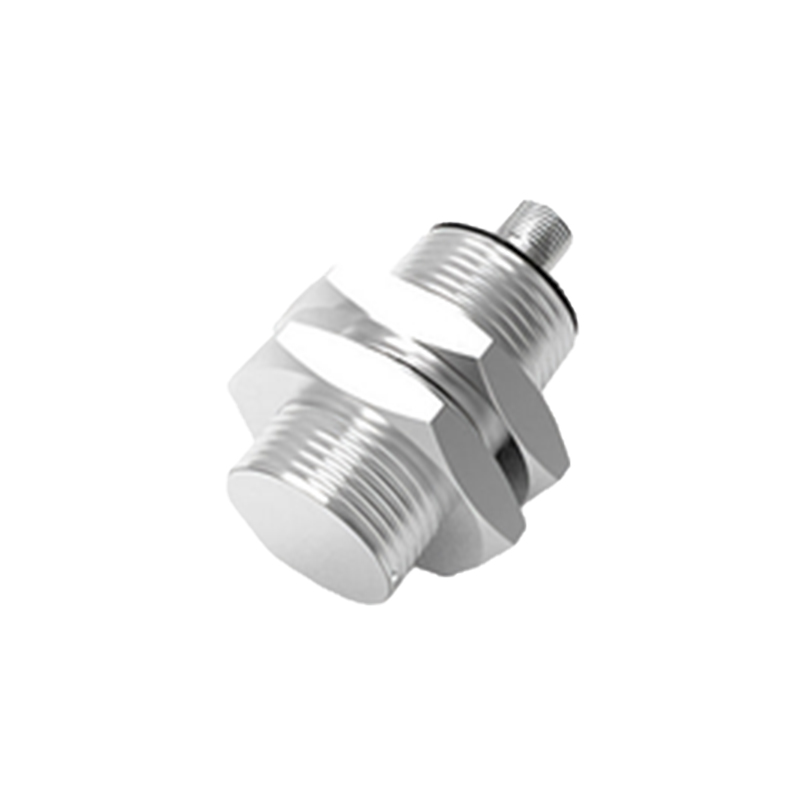
Proximity sensors used in tool turret applications primarily operate on two fundamental principles: inductive and magnetic. Inductive sensors generate an oscillating electromagnetic field. When a metallic target, such as the flank of a tool holder or a dedicated trigger dog on the turret body, enters this field, it induces eddy currents. The sensor detects the resultant damping of the oscillation, signaling the presence of the target. These sensors are ideal for detecting ferrous and non-ferrous metals and are highly resistant to contaminants like coolant, oil, and chips. Magnetic sensors, often reed switches or Hall-effect sensors, react to the presence of a magnetic field, typically from a permanent magnet embedded in the turret. They offer excellent long-range detection capabilities and are immune to non-magnetic interferences. The choice between technologies hinges on the turret design, target material, required sensing distance, and the harshness of the machine environment.
Critical Design Considerations for Harsh Environments
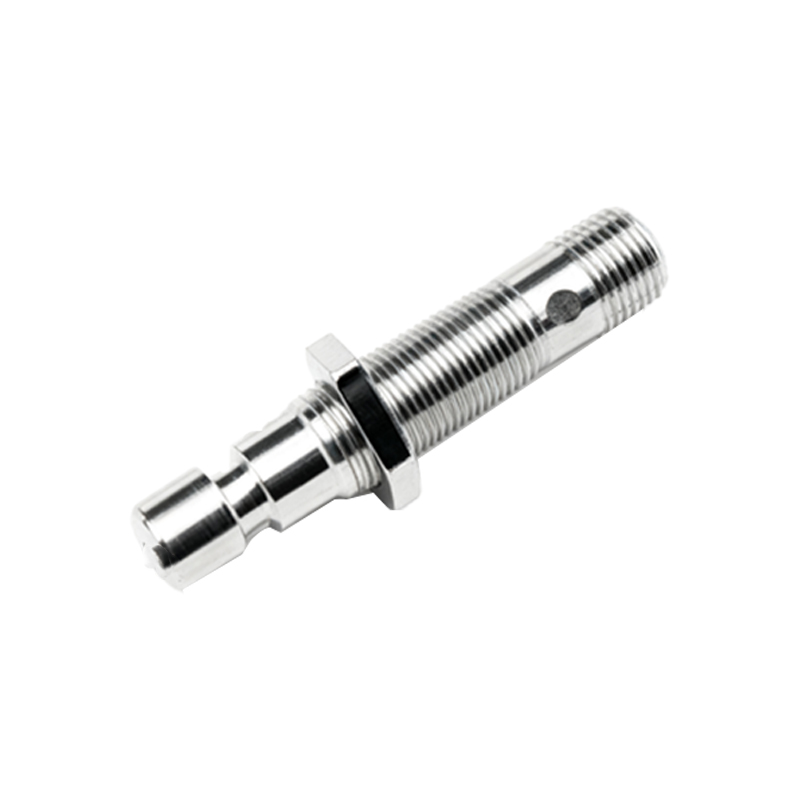
The machine tool interior is a hostile arena. Sensors must endure constant exposure to conductive coolant mists, abrasive metallic particulate, severe mechanical vibration, and significant thermal fluctuations. Therefore, robust construction is non-negotiable. High-quality sensors feature stainless steel or nickel-plated brass housings with an ingress protection rating of at least IP67, ensuring complete resistance to dust ingress and temporary immersion. The sensing face is often made of a wear-resistant material like PTFE or ceramic. Furthermore, immunity to electromagnetic interference from motor drives and spindle inverters is crucial. Shielding and advanced circuit design prevent false triggering, which could lead to a tool crash. The sensor's temperature rating must exceed the operational extremes of the machine enclosure to guarantee stable performance.
Integration and Signal Interface for Control Systems
Modern proximity sensors provide discrete digital signals to the CNC or PLC controller. The standard output configurations are PNP (sourcing) and NPN (sinking), with a choice between normally open or normally closed logic. The selection must match the input card specifications of the machine control system. For advanced diagnostics and predictive maintenance, IO-Link enabled sensors are becoming increasingly prevalent. This point-to-point serial communication protocol not only transmits the standard on/off signal but also provides a digital channel for detailed parameterization, real-time health monitoring (e.g., operating temperature, signal strength), and event logging. This allows for preemptive maintenance, reducing unplanned downtime by alerting technicians to degrading sensor performance before a failure occurs.
Installation, Alignment, and Maintenance Best Practices
Precise mechanical installation is paramount for consistent sensor operation. The sensor must be mounted rigidly to prevent any movement from vibration. The alignment gap between the sensor face and the target must be set within the specified operating range, typically 60-80% of the nominal sensing distance to account for mechanical tolerances and thermal expansion. Targets should be clean, of adequate size, and approach the sensor perpendicularly to its face for optimal signal strength. Regular maintenance involves visual inspection for physical damage or buildup of debris on the sensing face. Performance verification should be part of routine machine calibration, checking that the sensor triggers consistently at the exact same turret index position. Using a multimeter to monitor the output signal stability can identify intermittent issues.
The Impact on Machining Accuracy and Productivity
The ultimate value of a reliable proximity sensing system is measured in machining outcomes. Accurate turret indexing eliminates positional errors that cause dimensional inaccuracies in machined parts. It ensures perfect tool alignment, which is critical for high-speed machining and fine finishing operations. By providing a definitive "tool in position" signal, these sensors enable faster turret rotation speeds without sacrificing safety, directly reducing non-cutting time. Their fail-safe operation prevents the machine from executing a cycle with an unclamped or misaligned tool, thereby avoiding expensive damage to the workpiece, tooling, and the machine tool itself. This protection is invaluable in unattended or lights-out manufacturing operations.