Understanding the Core Technology
Ultrasonic photoelectric sensors represent a sophisticated fusion of two distinct sensing technologies, each offering unique advantages. Ultrasonic sensors operate by emitting high-frequency sound waves, typically beyond the range of human hearing, and then measuring the time it takes for the echo to return. This principle, known as time-of-flight, allows for precise distance measurement and object detection, even with transparent, dark, or glossy surfaces that often challenge other sensors. Photoelectric sensors, on the other hand, function by projecting a beam of light—visible red, infrared, or laser—and detecting changes in the received light intensity. They excel in high-speed detection and can discern minute details. The integration of these technologies aims to create a sensor that leverages the material-independence of ultrasound with the speed and precision of light, though in practice, most industrial sensors are designed as one type or the other, selected based on the application's specific demands.
Operating Principles and Key Components
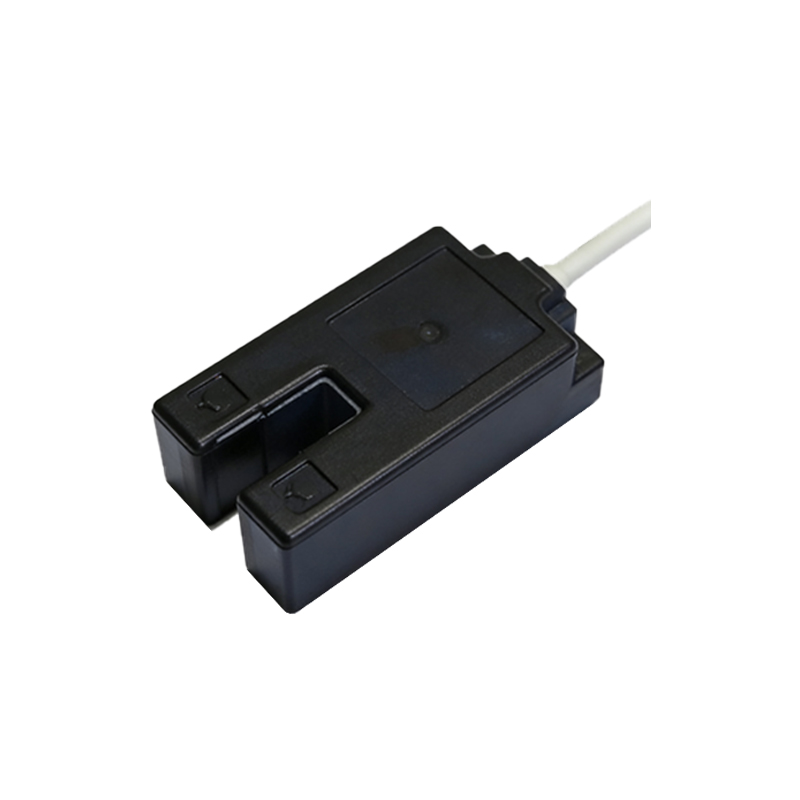
A standard ultrasonic sensor consists of a piezoelectric transducer that acts as both a transmitter and a receiver. An electrical pulse triggers the transducer to vibrate, producing an ultrasonic burst. This sound wave travels through the air, reflects off a target, and returns. The sensor's electronics calculate the distance based on the known speed of sound, compensating for temperature variations. Key performance parameters include sensing range, beam angle, and response time. Photoelectric sensors have three primary configurations: through-beam, retro-reflective, and diffuse reflective. Through-beam models offer the longest range and highest reliability, using separate emitter and receiver units. Retro-reflective types use a single housing and a reflector, while diffuse sensors detect light reflected directly from the target itself. The choice of light source (LED or laser) and modulation techniques to avoid ambient light interference are critical design considerations.
Primary Industrial Applications
The application scope for these sensors is vast and critical to modern automation. Ultrasonic sensors are indispensable in challenging environments. They are used for liquid level control in tanks, regardless of the liquid's color or transparency, and for detecting the presence of clear glass bottles or films on production lines. In packaging, they measure stack height or roll diameter. Photoelectric sensors are the workhorses of high-speed counting, label detection, and object positioning on conveyor systems. Through-beam sensors safeguard hazardous areas as part of safety light curtains. In the logistics sector, diffuse sensors detect packages of varying colors and textures, while miniature versions are embedded in consumer electronics and automated doors. The robustness of ultrasonic sensors in dirty or dusty conditions, where photoelectric beams might be obscured, makes them particularly valuable in mining, agriculture, and waste management.
Comparative Advantages and Limitations
Selecting between ultrasonic and photoelectric sensing requires a clear understanding of their trade-offs. Ultrasonic sensors are largely unaffected by target color, transparency, or reflectivity. They perform well in environments with steam, dust, or smoke. However, they have a slower response time compared to photoelectric sensors and can be influenced by extreme temperature gradients, wind, or highly absorbent surfaces like foam. Photoelectric sensors offer very fast response speeds, suitable for detecting small objects at high line speeds. They provide precise positioning and can be used for contrast detection (e.g., label on a bottle). Their main limitations include susceptibility to interference from ambient light, difficulty with transparent objects, and performance degradation when lenses become dirty or foggy. Cost is also a factor, with basic photoelectric sensors often being less expensive than ultrasonic units for similar ranges.
Critical Selection Criteria for Engineers
A systematic approach is essential for optimal sensor selection. First, define the application's core requirement: is it presence detection, distance measurement, or counting? Next, analyze the target properties: material, color, size, and surface finish. For transparent objects, ultrasonic or specific polarized retro-reflective photoelectric sensors are preferable. Consider the operating environment: temperature range, humidity, presence of contaminants, and ambient noise (for ultrasonic) or light (for photoelectric). Required sensing distance and mounting constraints will dictate the needed range and beam pattern. Response time must match the process speed. Finally, evaluate the electrical output needed (PNP/NPN, analog, IO-Link) and the housing material's IP rating for durability. Consulting sensor datasheets and application engineers is highly recommended for non-standard conditions.
Installation and Maintenance Best Practices
Proper installation is paramount for reliable operation. For ultrasonic sensors, ensure the sensing axis is perpendicular to the target surface for a strong echo. Avoid mounting near soft materials that absorb sound or in the path of strong air currents. Keep a clear "dead zone" in front of the transducer as specified by the manufacturer. For photoelectric sensors, align through-beam pairs precisely. For diffuse sensors, account for the background distance to prevent false triggers. Protect lenses from accumulating dirt, oil, or condensation; using models with air purge connections or protective windows can be beneficial. Regular maintenance should include lens cleaning and verification of alignment. For ultrasonic sensors, checking for physical damage to the transducer face and monitoring for temperature-related drift are important steps to ensure long-term accuracy and system uptime.