Introduction to Optex Photoelectric Sensors
Optex photoelectric sensors are integral components in modern industrial automation, renowned for their precision, durability, and versatility. These sensors operate by emitting a light beam—typically infrared, visible red, or laser—and detecting changes in the received light intensity caused by the presence, absence, or distance of an object. This fundamental principle enables non-contact detection across a wide array of applications, from manufacturing assembly lines and packaging machinery to security systems and automated guided vehicles (AGVs). The core advantage lies in their ability to perform reliably in harsh environments where physical contact is impractical or could cause damage, ensuring consistent operation and minimal maintenance downtime.
Core Technologies and Operating Principles
The performance of Optex sensors is driven by several key technologies. The primary operating modes include through-beam, retro-reflective, and diffuse-reflective sensing. Through-beam sensors, consisting of separate emitter and receiver units, offer the longest sensing ranges and highest immunity to environmental interference. Retro-reflective models use a single housing with both emitter and receiver, relying on a reflector to bounce the light back, providing a practical balance of range and ease of installation. Diffuse-reflective sensors detect light reflected directly from the target object itself, ideal for applications where space is limited or reflectors cannot be used. Advanced models incorporate background suppression and foreground suppression technologies, allowing them to ignore objects beyond or before a set distance, respectively. This is crucial for precise detection in complex scenarios, such as distinguishing products on a conveyor belt from the belt itself.
Key Features and Product Specifications
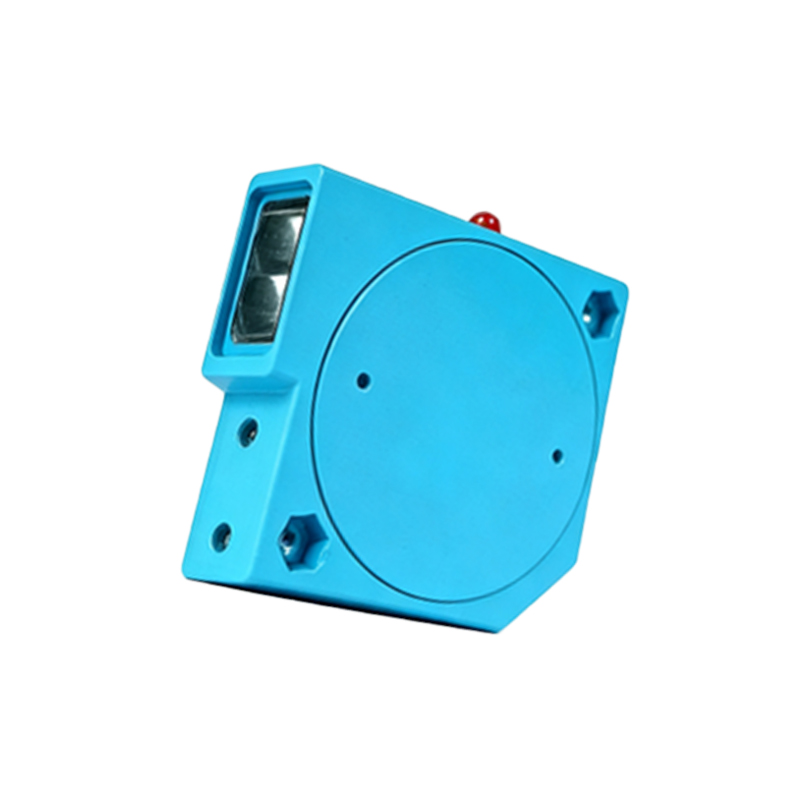
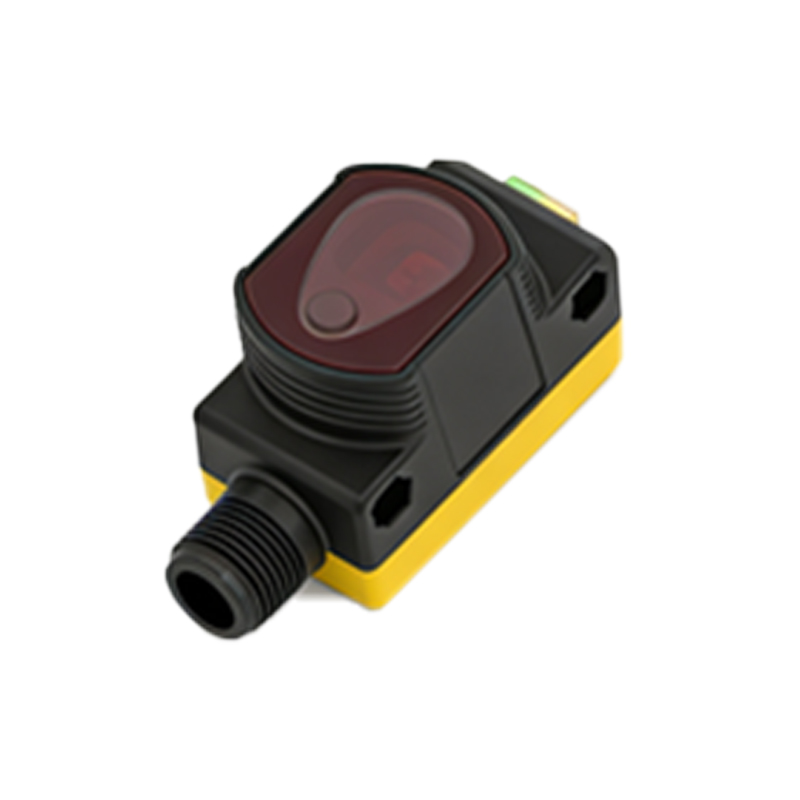
Optex photoelectric sensors are engineered with features that address the rigorous demands of industrial settings. They boast robust housings, often rated IP67 or higher, providing resistance to dust, water, oils, and mechanical impacts. Electrical specifications include a wide operating voltage range (e.g., 10-30V DC) and multiple output types (NPN, PNP, analog, or IO-Link) for seamless integration with various PLCs and control systems. Response times are exceptionally fast, typically in the microsecond range, enabling high-speed counting and positioning tasks. Many models are equipped with intuitive setup aids like visible red sensing beams for easy alignment and multi-color LED indicators for clear status diagnosis. Furthermore, specialized variants are available, including color mark sensors for detecting contrast differences, fiber optic sensors for extreme temperatures or tight spaces, and long-range sensors for detection over several meters.
Application Scenarios in Industry
The application breadth of Optex sensors is vast. In packaging, they accurately detect labels, count bottles, and control fill levels. In automotive manufacturing, they ensure robotic arms correctly position components and verify part presence. On conveyor systems, they trigger sorting mechanisms, detect jams, and monitor object height. In material handling, they provide position feedback for AGVs and ensure pallets are correctly loaded. Safety applications include presence detection in hazardous areas to prevent machine activation when personnel are near. The food and beverage industry utilizes washdown-rated sensors that withstand high-pressure cleaning, while the electronics sector relies on miniature sensors for precise PCB board handling. Their reliability in detecting transparent objects, such as glass or plastic films, further expands their utility in specialized production lines.
Advantages Over Alternative Sensing Technologies
Compared to proximity sensors (inductive or capacitive) and ultrasonic sensors, Optex photoelectric sensors offer distinct benefits. Their non-contact nature eliminates wear and tear, leading to a longer operational lifespan. They provide much faster response speeds than ultrasonic sensors and can detect a wider variety of materials, including non-metallic and transparent objects, unlike inductive sensors which are limited to metals. The sensing distance for photoelectric sensors is generally superior, especially for through-beam models. While environmental factors like dust, fog, or strong ambient light can pose challenges, Optex mitigates these with features like modulated LED light sources to avoid interference, polarized filters for retro-reflective models to ignore shiny objects, and robust housing designs. This combination of speed, range, material versatility, and environmental robustness makes them a preferred choice for complex automation tasks.
Installation, Calibration, and Maintenance Best Practices
Proper installation is critical for optimal sensor performance. Key considerations include securing a stable mounting, ensuring precise alignment between emitter and receiver (for through-beam and retro-reflective types), and avoiding optical obstructions. The sensing path should be clear of reflective backgrounds that could cause false triggers for diffuse sensors. Calibration often involves setting the sensitivity potentiometer or using a teach-in function to define the detection threshold for the specific target. Regular maintenance involves cleaning the lens with a soft cloth to remove dust or grime that could attenuate the light signal, checking for physical damage to the housing or cable, and verifying the electrical connections. Most Optex sensors are designed for minimal upkeep, but periodic functional checks as part of preventive maintenance schedules help ensure long-term system reliability and prevent unplanned production stoppages.
Future Trends and Innovations
The future of Optex photoelectric sensors is aligned with Industry 4.0 and smart factory trends. Integration of IO-Link communication is becoming standard, enabling sensors to transmit detailed diagnostic data (like lens contamination levels, temperature, or signal strength) to higher-level control systems for predictive maintenance. There is a growing demand for smaller form factors without compromising sensing range or robustness, facilitating integration into compact machinery. Enhanced intelligence, such as sensors with built-in logic functions for simple decision-making, reduces the load on central controllers. Furthermore, advancements in laser diode technology are enabling even more precise and stable measurements for positioning and dimension-checking applications. As industrial environments become more connected and data-driven, Optex sensors are evolving from simple binary detection devices into intelligent nodes within the industrial IoT ecosystem.