Enhanced Accuracy and Reliability
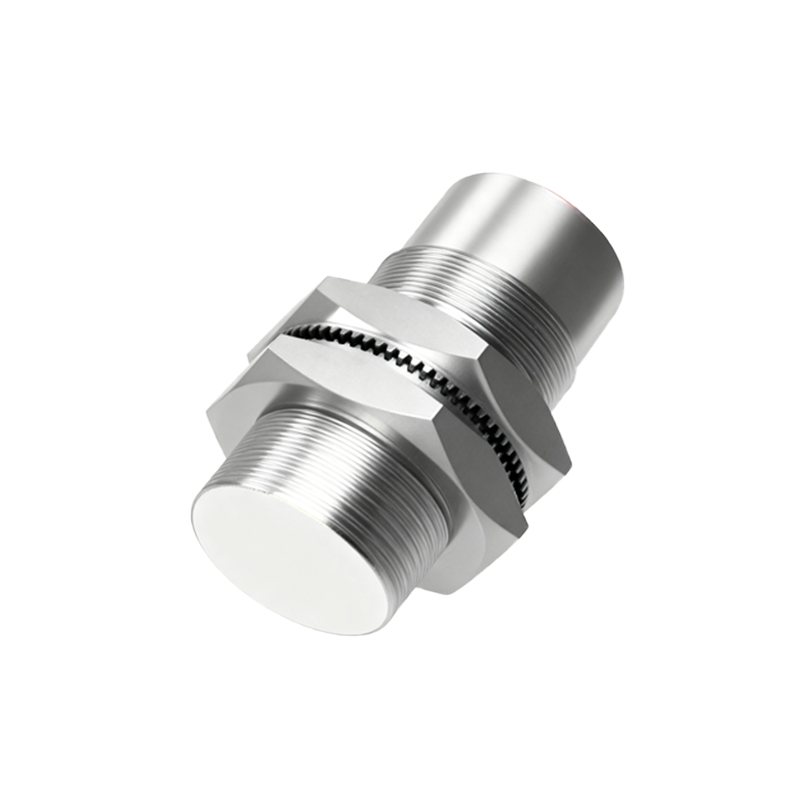
Proximity level sensors offer exceptional precision in detecting liquid levels across various industrial settings. Unlike traditional float-based or mechanical sensors, these devices utilize non-contact methods such as capacitive, inductive, or ultrasonic technologies to measure fluid presence. This eliminates issues like wear and tear from physical contact, ensuring consistent performance over extended periods. In harsh environments with corrosive liquids or high temperatures, proximity sensors maintain accuracy without degradation, reducing the risk of false readings that could lead to operational disruptions. Their reliability is further bolstered by minimal calibration needs, making them a cost-effective solution for continuous monitoring in sectors like chemical processing and water treatment.
Non-Contact Operation for Reduced Maintenance
A key benefit of proximity level sensors is their non-contact design, which significantly lowers maintenance requirements. Since there is no direct interaction with the liquid, components are less prone to fouling, clogging, or damage from abrasive substances. This translates to fewer downtime incidents and longer service intervals, saving both time and resources. Industries such as food and beverage or pharmaceuticals benefit greatly, as hygiene standards are upheld without frequent sensor cleaning. Additionally, the absence of moving parts reduces mechanical failures, enhancing overall system durability and operational efficiency.
Versatility Across Diverse Applications
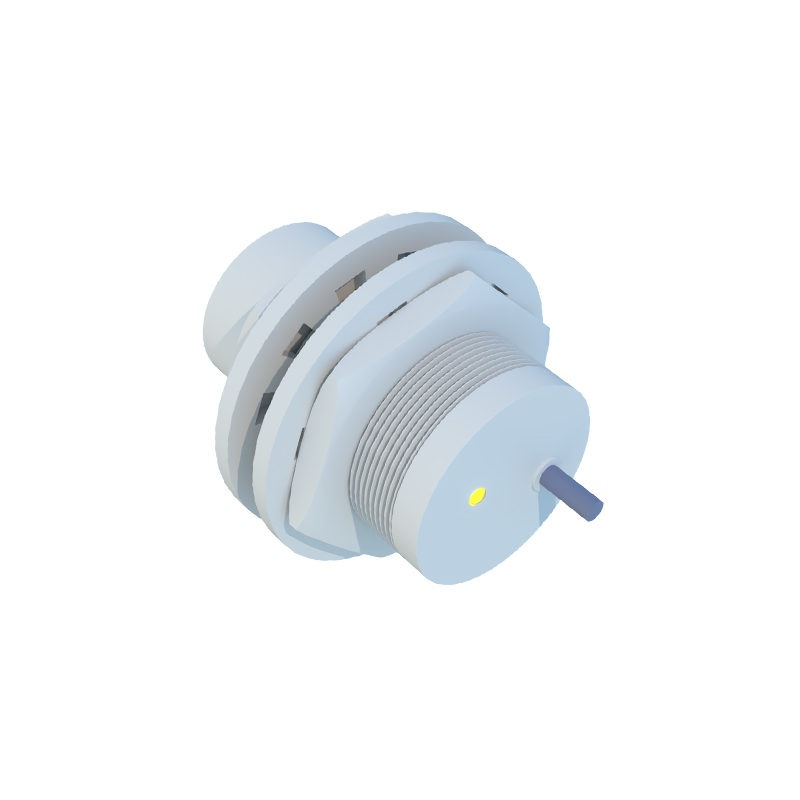
These sensors are highly adaptable, suitable for a wide range of liquids including water, oils, chemicals, and slurries. Their compact size allows for easy integration into existing systems, whether in tanks, pipelines, or open containers. With options for different sensing ranges and output signals (e.g., analog or digital), proximity level sensors can be customized to meet specific industrial needs. For instance, in automotive manufacturing, they monitor coolant levels, while in agriculture, they track irrigation water supplies. This flexibility makes them a go-to choice for engineers seeking scalable solutions across multiple domains.
Improved Safety and Environmental Compliance
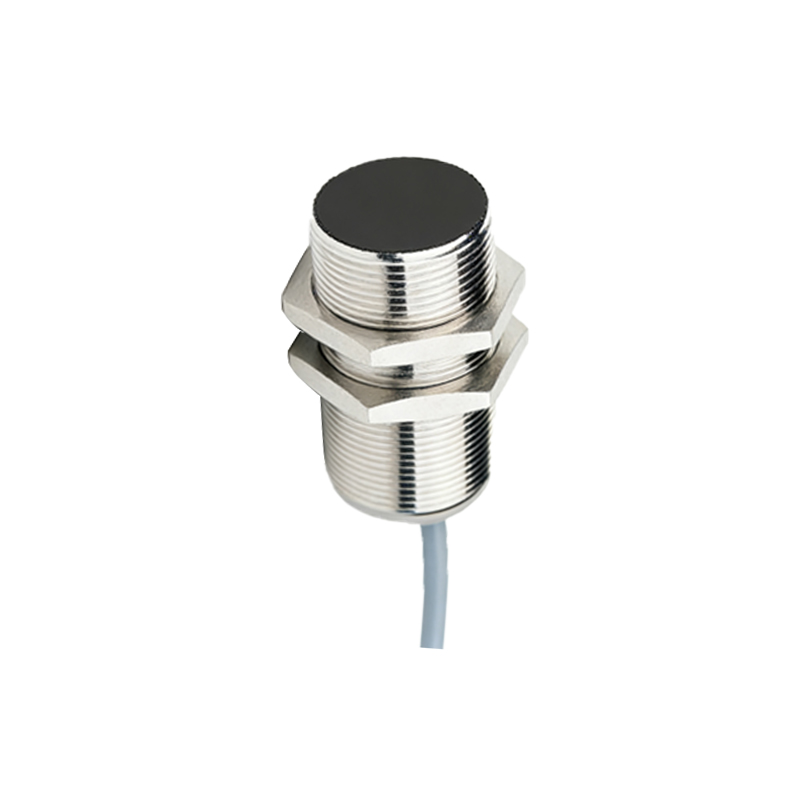
Proximity level sensors contribute to safer operations by preventing overflows or dry-running conditions that could cause equipment damage or hazardous spills. Their real-time monitoring capabilities enable early warnings, allowing for prompt corrective actions. In environmentally sensitive industries, such as oil and gas, accurate level detection helps minimize leaks and ensure compliance with regulatory standards. The sensors' robust construction often includes ingress protection ratings, making them resistant to dust and moisture, further safeguarding against accidents in challenging worksites.
Energy Efficiency and Cost Savings
By optimizing liquid management, proximity level sensors promote energy conservation and reduce operational costs. They enable precise control of pumps and valves, preventing unnecessary cycling and lowering electricity consumption. In large-scale facilities like power plants or wastewater treatment centers, this efficiency translates to significant financial savings over time. Moreover, their long lifespan and low maintenance needs decrease replacement and labor expenses, offering a strong return on investment. As industries increasingly prioritize sustainability, these sensors support greener practices by minimizing waste and resource usage.