Understanding Photoelectric Sensors in Industrial Automation
Photoelectric sensors are indispensable components in modern industrial automation, serving as the "eyes" of a production line. These devices operate by emitting a beam of light, typically infrared, visible red, or laser, and detecting changes in the received light signal. The fundamental principle involves the detection of an object's presence, absence, or position based on the light beam's interruption or reflection. This non-contact method of detection offers significant advantages over mechanical switches, including higher reliability, faster response times, and the ability to sense a wide variety of materials without physical wear. In complex manufacturing environments, from automotive assembly to food packaging, photoelectric sensors provide the critical data needed for process control, quality assurance, and safety interlocking. Their versatility allows them to be configured in different sensing modes—diffuse, retro-reflective, and through-beam—to suit specific application challenges, such as detecting transparent objects, operating in dusty conditions, or requiring long sensing ranges.
Key Selection Criteria for Industrial Applications
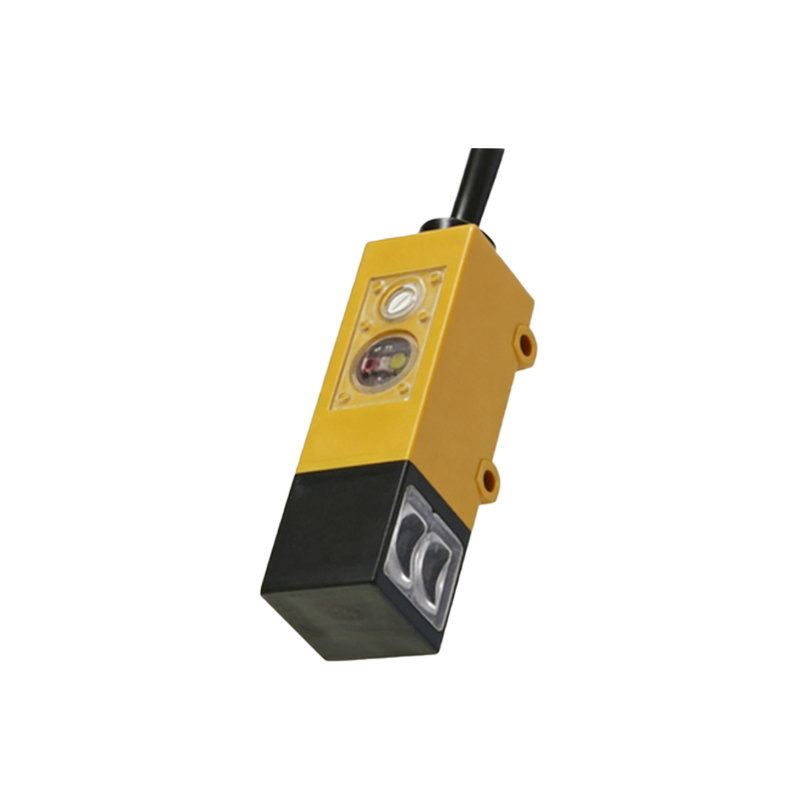
Selecting the right photoelectric sensor from a manufacturer's catalog requires a meticulous evaluation of several technical and environmental parameters. The primary consideration is the sensing range and the required detection capability. Through-beam sensors offer the longest range and highest reliability for clear object detection, while diffuse sensors are simpler to install for shorter ranges. The nature of the target object is paramount; its size, color, material (opaque, transparent, glossy), and surface characteristics directly influence the choice of sensor type and light source. Environmental factors such as ambient light, dust, moisture, oil, and temperature extremes dictate the necessary ingress protection (IP) rating and housing material, typically stainless steel or ruggedized plastics for harsh conditions. Electrical requirements, including supply voltage (12-24V DC or 90-250V AC), output type (PNP/NPN, NO/NC, analog, or IO-Link), and connection method (cable or connector), must align with the existing control system architecture. Finally, form factor and mounting options are critical for integration into space-constrained machinery.
Leading Global Manufacturers and Their Core Technologies
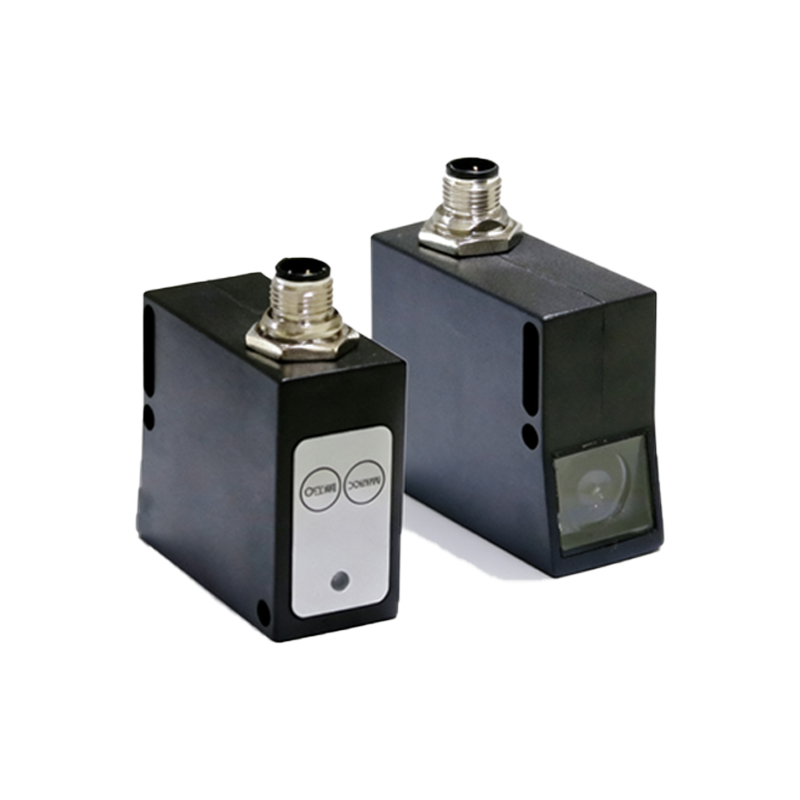
The market for industrial photoelectric sensors is dominated by several established global manufacturers, each bringing distinct technological strengths. Companies like Sick AG, headquartered in Germany, are renowned for their high-precision, rugged sensors and innovative technologies like background suppression and patented evaluation algorithms for challenging surfaces. Omron, a Japanese electronics giant, offers an exceptionally broad portfolio known for reliability and advanced features such as built-in amplifiers and teach-in functionality for easy setup. Banner Engineering from the United States is a leader in sensor innovation, providing robust, application-specific solutions with excellent technical support. Other key players include Keyence, known for its ultra-compact and high-performance sensors, Pepperl+Fuchs for expertise in intrinsic safety and hazardous areas, and Balluff for its integration capabilities with RFID and industrial networking. These manufacturers continuously invest in R&D, pushing boundaries with features like multi-voltage capability, enhanced diagnostics via IO-Link, and ultra-thin housings for minimal installation space.
The Critical Role of Technical Support and Customization
Beyond the product specifications listed on a datasheet, the value provided by a photoelectric sensor manufacturer is heavily influenced by the quality of technical support and customization capabilities. Leading manufacturers maintain extensive global application engineering teams. These experts assist customers in selecting the optimal sensor, configuring it for complex tasks like detecting small parts on high-speed conveyors or ignoring background interference, and troubleshooting installation issues. For high-volume or unique applications, many top-tier manufacturers offer customization services. This can include modifying the housing shape, lens type, cable length, or connector type to fit a specific machine design. Some provide special optical filters to ignore ambient light or coatings to resist harsh chemicals. The availability of detailed documentation, CAD models, configuration software, and comprehensive training resources further distinguishes premium manufacturers, ensuring a lower total cost of ownership through reduced downtime and easier maintenance.
Future Trends: Smart Sensors and Industry 4.0 Integration
The evolution of photoelectric sensors is intrinsically linked to the rise of Industry 4.0 and the Industrial Internet of Things (IIoT). The next generation of sensors are "smart" devices equipped with digital communication interfaces, most notably IO-Link. This point-to-point serial communication protocol allows sensors to transmit far more data than a simple on/off signal. Parameters like internal temperature, operating hours, signal strength, and device status can be monitored remotely, enabling predictive maintenance and reducing unplanned stoppages. Furthermore, smart sensors can have their parameters (sensitivity, time delay) set and changed digitally from the control cabinet or a cloud platform, simplifying changeovers in flexible manufacturing. Integration with Ethernet-based fieldbus systems (EtherNet/IP, PROFINET, EtherCAT) is becoming standard, allowing sensors to be nodes on the factory network. Future advancements may include more sophisticated embedded diagnostics, energy harvesting capabilities, and enhanced AI-driven pattern recognition for complex quality inspection tasks directly at the sensor level.