Introduction to the H1500 Series
The H1500 series represents a robust and versatile line of through-beam photoelectric sensors engineered for demanding industrial environments. Known for their exceptional sensing range, high immunity to ambient light interference, and reliable performance, these sensors are a cornerstone in automation systems requiring precise object detection over long distances. The series typically includes both the emitter and receiver units, which must be aligned to create an invisible beam. Any object interrupting this beam triggers a switching signal. The H1500's design prioritizes durability, often featuring rugged metal or high-grade plastic housings with IP67 or higher ingress protection ratings, making them suitable for washdown areas, outdoor use, and harsh manufacturing settings.
Core Operating Principle
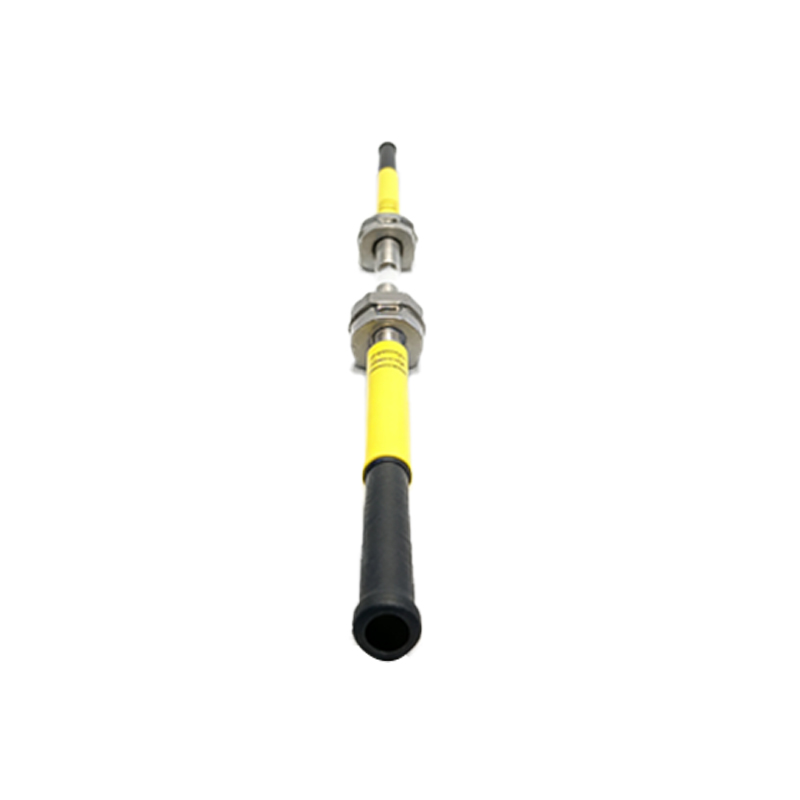
The fundamental operation of the H1500 photoelectric sensor is based on the through-beam (or opposed) method. The emitter unit contains a focused light source, commonly an infrared LED or a laser diode, which projects a continuous beam of modulated light. The separate receiver unit, positioned directly opposite the emitter, contains a phototransistor or photodiode tuned to the specific frequency of the emitted light. This modulation is key to the sensor's stability, as it allows the receiver to distinguish the signal from ambient factory lighting (like fluorescent or sunlight), drastically reducing false triggers. When an object passes between the two units, it obstructs the beam, causing the receiver's output state to change, thereby signaling the presence of the object.

Key Technical Specifications and Features
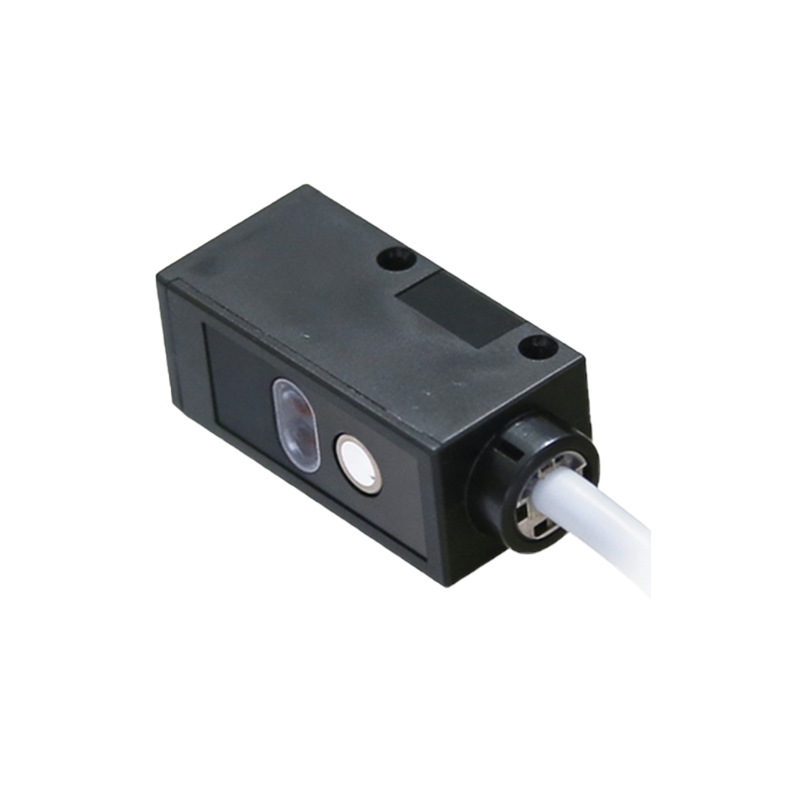
A detailed examination of the H1500's datasheet reveals its capabilities. The sensing range is a standout feature, often extending up to 15 meters or more, which is significantly greater than diffuse or retro-reflective sensors. The light source is typically a pulsed infrared LED with a wavelength around 880 nm. Response time is extremely fast, usually in the microsecond range, enabling detection of high-speed objects on production lines. These sensors offer various output configurations, including NPN, PNP, or relay contacts, and often feature a sensitivity adjustment or stability indicator (like a green LED on the receiver) to facilitate precise alignment. Operating voltage ranges are broad, commonly from 10-30V DC, ensuring compatibility with standard industrial control voltages.
Installation and Alignment Best Practices
Proper installation is critical for optimal performance of through-beam sensors like the H1500. The emitter and receiver must be securely mounted on stable surfaces to prevent vibration-induced misalignment. The units should be aligned so that the beam is perpendicular to the path of the target object. Alignment is typically achieved by visually centering the indicator lights or using the receiver's signal strength indicator. For very long-range setups, the use of alignment tools or scopes is recommended. It is crucial to ensure the lens surfaces remain clean and free of dust, condensation, or debris, as contamination can attenuate the light signal and reduce effective sensing distance.
Common Industrial Applications
The H1500's long-range and high reliability make it indispensable across numerous sectors. In material handling and packaging, it is used for box counting on conveyors, detecting oversized packages, and verifying the presence of products in cartons. In the automotive industry, these sensors monitor the position of vehicle bodies on assembly lines and detect components on robotic welding cells. They are also prevalent in warehouse automation for pallet detection and height profiling, and in the wood and glass industries for break detection and edge finding. Any application requiring non-contact detection of opaque objects over a considerable distance is a prime candidate for the H1500 series.
Troubleshooting and Maintenance Guidelines
Despite their robustness, H1500 sensors may encounter issues. The most common problem is loss of signal due to misalignment from mechanical shock or thermal expansion. Verifying alignment and tightening mounts is the first step. If the sensor fails to detect, check for obstructions on the lenses, verify power supply voltage, and inspect wiring connections. A gradual reduction in sensing range often indicates lens contamination or aging of the light source. Most H1500 sensors have a built-in stability indicator; a weak or fluctuating signal suggests alignment or contamination issues. Regular preventive maintenance, including lens cleaning and mechanical inspection, will maximize sensor lifespan and system uptime.
Comparison with Other Sensing Modes
While the through-beam H1500 offers the longest range and highest reliability, understanding its place among other photoelectric modes is important. Diffuse (proximity) sensors have the emitter and receiver in one housing but offer shorter ranges and are sensitive to object color and surface. Retro-reflective sensors use a reflector but can be fooled by shiny objects. The H1500's through-beam design provides the highest excess gain (signal strength), making it immune to object color, surface finish, or reflectivity. Its primary trade-off is the need for two separate units and precise alignment, which involves higher installation complexity and cost compared to single-unit sensors.
Conclusion and Selection Considerations
The H1500 photoelectric sensor series is a powerful solution for long-range, high-reliability object detection. When selecting a sensor for an application, engineers must consider the required sensing distance, environmental conditions (dust, moisture, temperature), the size and nature of the target object, and the necessary response speed. For applications where precise alignment can be maintained and where maximum detection certainty is paramount—such as in safety curtains, high-speed counting, or critical process verification—the H1500 through-beam sensor remains an excellent and often unrivaled choice. Its proven performance continues to make it a fundamental component in advanced industrial automation.