Introduction to Ultra-Thin Capacitive Proximity Sensors
Ultra-thin capacitive proximity sensors represent a significant advancement in sensing technology, offering unparalleled flexibility and precision. These sensors operate based on the principle of capacitance change when an object approaches the sensing area. Unlike traditional mechanical or optical sensors, they require no physical contact, making them ideal for applications where space is limited and durability is critical. Their ultra-thin design, often less than 1mm in thickness, allows for seamless integration into compact devices, from consumer electronics to industrial machinery. This innovation addresses the growing demand for miniaturization and enhanced performance in various sectors, providing reliable detection without compromising on sensitivity or response time.
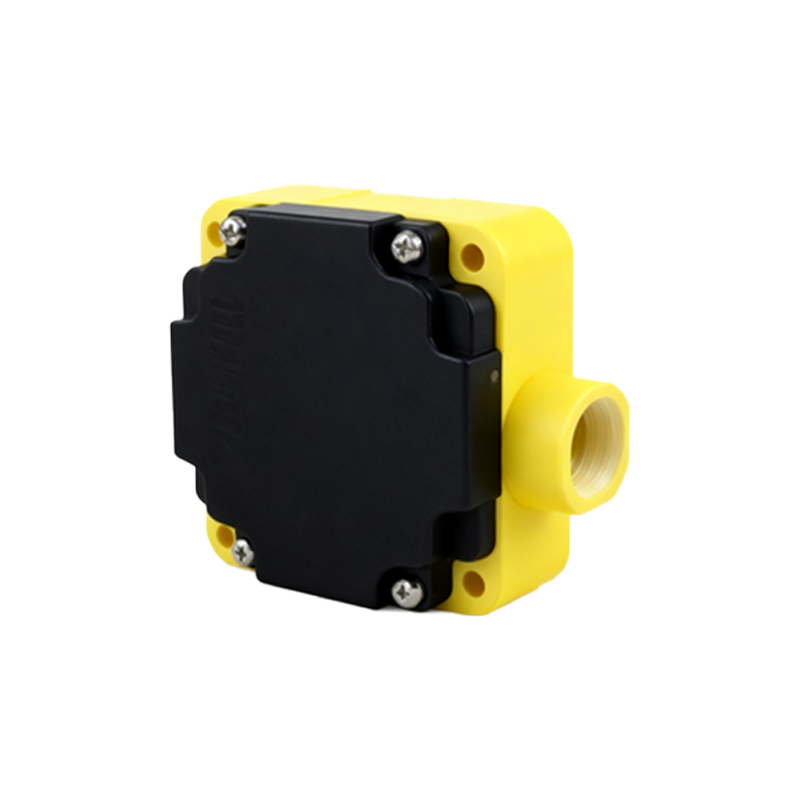
Working Principles and Technical Specifications
The core functionality of ultra-thin capacitive proximity sensors relies on detecting variations in capacitance caused by the presence of nearby objects. A typical sensor consists of electrodes embedded in a thin, flexible substrate. When an object enters the electric field generated by these electrodes, it alters the capacitance, which is then measured by integrated circuitry. Key technical specifications include a sensing range of up to 20mm, depending on the model, with high resolution capable of detecting minute changes. Operating voltages typically range from 3.3V to 5V, ensuring compatibility with modern electronic systems. Additionally, these sensors feature low power consumption, often below 10µA in standby mode, making them suitable for battery-powered devices. Their response time is exceptionally fast, usually within milliseconds, enabling real-time detection in dynamic environments.
Applications Across Industries
Ultra-thin capacitive proximity sensors are versatile tools used in numerous industries. In consumer electronics, they enhance user interfaces by enabling touchless controls in smartphones, tablets, and wearables, improving hygiene and convenience. The automotive sector employs them for safety features, such as proximity detection in automatic doors and gesture-based infotainment systems. Industrial automation benefits from their ability to monitor equipment positioning and detect object presence in assembly lines, reducing downtime and increasing efficiency. Medical devices also utilize these sensors for non-contact monitoring, ensuring sterility in sensitive environments like operating rooms. Their adaptability makes them invaluable in robotics, smart home systems, and aerospace, where precision and reliability are paramount.
Advantages Over Traditional Sensing Methods
Compared to conventional sensors, ultra-thin capacitive proximity sensors offer several distinct advantages. Their non-contact nature eliminates wear and tear, extending lifespan and reducing maintenance costs. The thin, flexible design allows for installation in tight spaces where bulkier sensors cannot fit, enabling innovative product designs. They are immune to environmental factors like dust, moisture, and temperature fluctuations, ensuring consistent performance in harsh conditions. Furthermore, their high sensitivity enables detection of various materials, including metals, plastics, and human skin, without calibration. Energy efficiency is another key benefit, as they consume minimal power, contributing to sustainability efforts. Overall, these sensors provide a cost-effective solution with enhanced durability and accuracy.
Challenges and Future Developments
Despite their benefits, ultra-thin capacitive proximity sensors face challenges that drive ongoing research. Interference from electromagnetic noise can affect accuracy, necessitating advanced shielding techniques. Calibration for specific applications may require fine-tuning to avoid false triggers. Manufacturing complexities also arise due to the need for precise electrode patterning on flexible materials. However, future developments aim to overcome these hurdles through innovations like AI integration for adaptive sensing and improved materials for better sensitivity. Trends indicate a move toward even thinner sensors, potentially below 0.5mm, with wireless capabilities for IoT connectivity. As technology evolves, these sensors are expected to become more affordable and widespread, further transforming automation and smart systems.
Conclusion and Industry Impact
In summary, ultra-thin capacitive proximity sensors are pivotal in advancing sensing technology, offering a blend of compactness, efficiency, and versatility. Their ability to enable touchless interactions and precise detection supports the shift toward smarter, more responsive devices across industries. By addressing limitations of older sensors, they pave the way for innovations in automation, healthcare, and beyond. As adoption grows, these sensors will likely become standard components in next-generation electronics, driving progress in miniaturization and energy conservation. Engineers and designers should consider integrating them to stay competitive, leveraging their potential to enhance product functionality and user experience in an increasingly connected world.