Introduction to M12 Proximity Sensors
M12 proximity sensors are a cornerstone of modern industrial automation, renowned for their compact size, robust construction, and reliable performance. Specifically designed for the detection of ferrous metals, these inductive sensors play a critical role in countless applications, from assembly lines and robotic cells to material handling and packaging machinery. The standardized M12 threaded housing, typically 12mm in diameter, offers excellent mechanical stability and ease of installation, making them a preferred choice for engineers worldwide. Their primary function is to detect the presence or absence of a metallic target without physical contact, thereby eliminating wear and tear and ensuring long-term operational reliability. This non-contact sensing principle is key to maintaining high-speed, precise, and maintenance-free processes in demanding industrial environments.
Operating Principle and Technology
The core technology behind an M12 inductive proximity sensor for ferrous metals is electromagnetic induction. The sensor contains a coil that is part of an oscillating circuit. When an alternating current flows through this coil, it generates an alternating electromagnetic field in front of the active sensing face. When a ferrous metal object, such as steel or iron, enters this field, eddy currents are induced on the surface of the target. These eddy currents draw energy from the sensor's oscillating circuit, causing a change in its amplitude. An integrated evaluation circuit within the sensor detects this amplitude damping and triggers a solid-state switching output (typically PNP or NPN). This entire process occurs with remarkable speed and precision, allowing for detection at high frequencies. The sensing range, or "switching distance," is standardized and depends on the sensor's specific model, with factors like target material, size, and shape influencing the effective range.
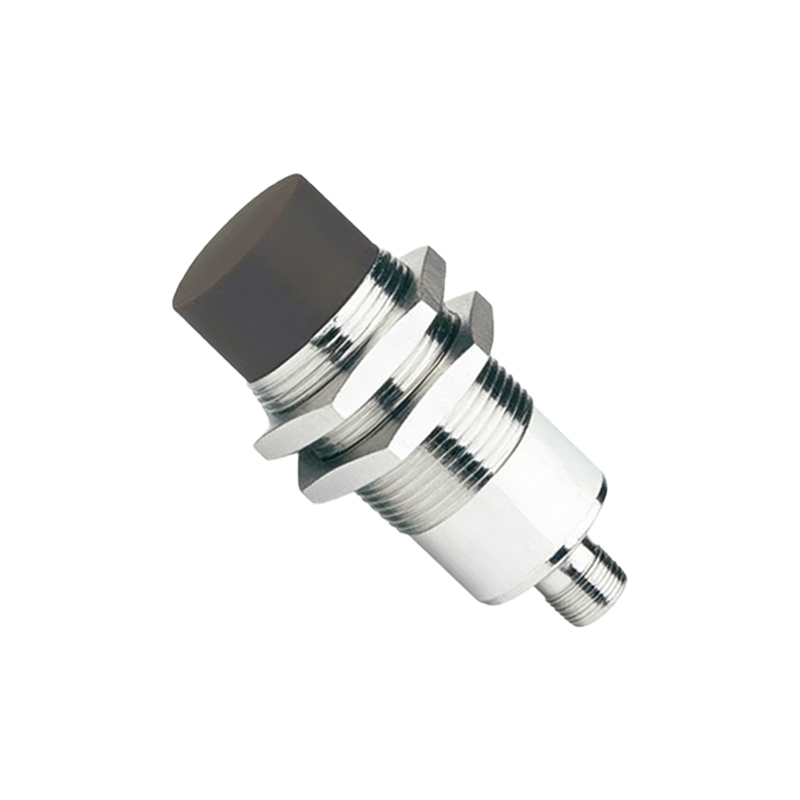
Key Features and Technical Specifications
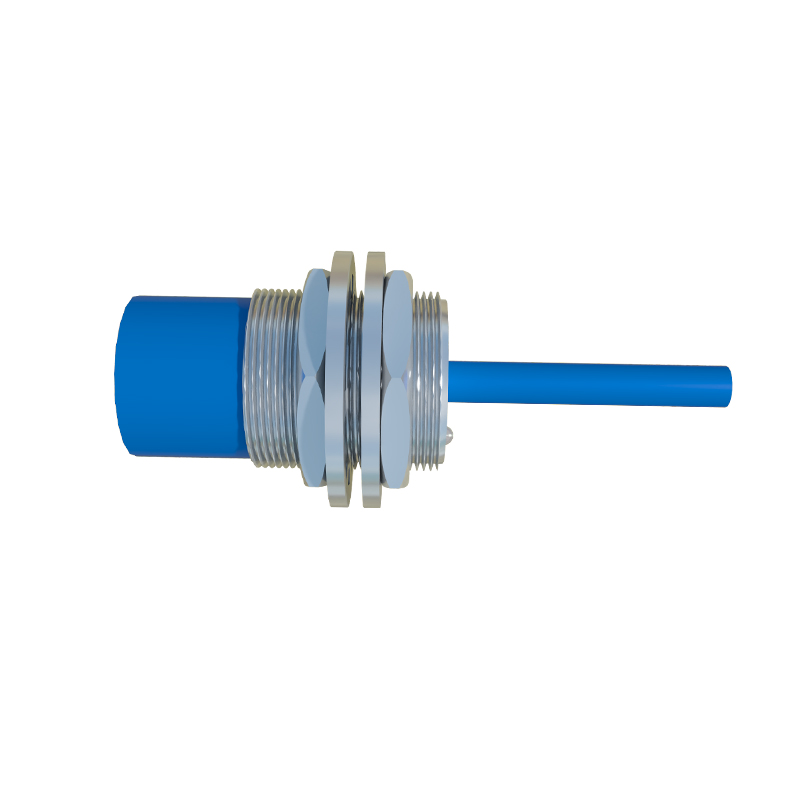
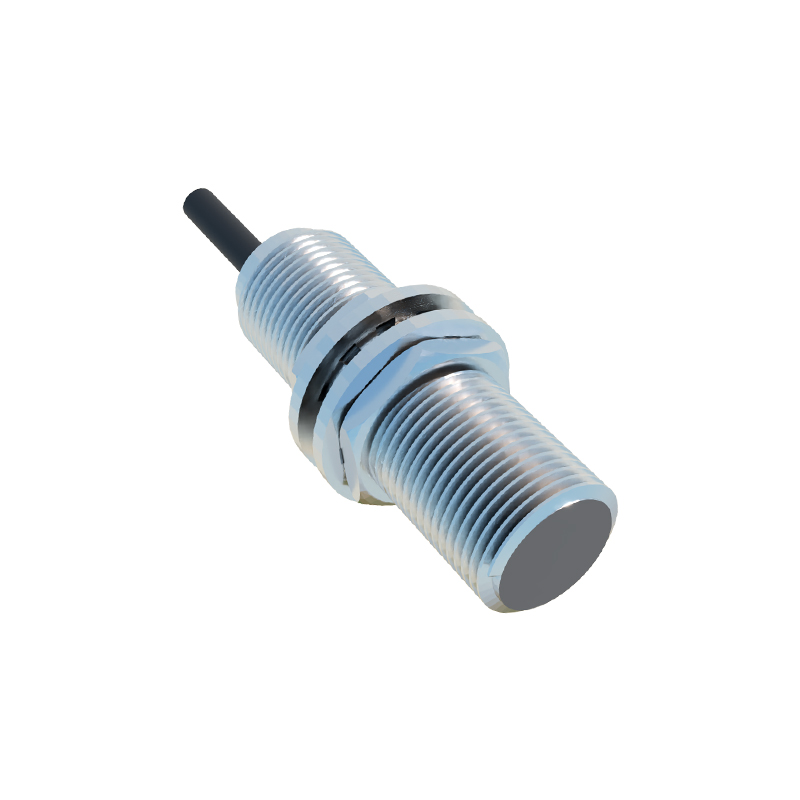
Modern M12 ferrous proximity sensors boast a range of features tailored for industrial robustness. They are commonly available in shielded (flush-mountable) or unshielded (non-flush) designs. Shielded sensors can be mounted flush in metal without affecting their sensing field, saving space. Key specifications include the nominal sensing distance (Sn), often 2mm, 4mm, or 5mm for standard M12 models. They operate on a wide range of DC voltages (commonly 10-30V DC) and provide short-circuit, overload, and reverse polarity protection. The housing is typically made of nickel-plated brass or stainless steel (V2A/V4A), offering high resistance to oils, coolants, and mild chemicals. The sensing face is often made of a durable PBT or PPS plastic. Output configurations include 3-wire DC types with normally open (NO) or normally closed (NC) logic, and some advanced models feature IO-Link communication for digital parameterization and diagnostic data exchange.
Advantages in Industrial Automation
The advantages of using M12 proximity sensors for ferrous detection are manifold. Their compact M12 form factor allows for installation in extremely tight spaces where larger sensors cannot fit. The standardized connection system, using M12 connectors, ensures quick wiring and replacement, minimizing machine downtime. Their non-contact operation guarantees an exceptionally long service life, as there are no mechanical parts to wear out. They are immune to environmental contaminants like dust, dirt, and non-metallic debris, provided the sensing face is kept clean. Furthermore, their high switching frequency—often up to several thousand Hertz—makes them ideal for high-speed counting, positioning, and speed monitoring tasks. The inherent robustness against electrical noise and vibration makes them reliable even in the harshest plant floor conditions.
Typical Application Scenarios
The application scope for M12 ferrous proximity sensors is vast. A common use is in machine tools for tool presence detection, ensuring a drill bit or milling tool is correctly loaded before a machining cycle begins. On conveyor systems, they are used for part detection, counting, and sorting of metal components. In robotic welding cells, they verify the presence of a metal workpiece in the fixture prior to welding. They serve as end-of-travel or home position sensors in linear actuators and cylinders. In the automotive industry, they monitor the position of metal pistons, clamps, and slides. Their reliability also makes them suitable for safety-related functions, such as confirming a protective metal guard is in its closed position before machine start-up, though they are not safety-rated devices by themselves.
Selection and Installation Best Practices
Selecting the right M12 sensor requires careful consideration. First, confirm the target material is ferrous (iron-based). Determine the required sensing distance, choosing a sensor with a nominal range (Sn) slightly larger than the maximum air gap expected in the application. Decide between shielded and unshielded mounting based on