Introduction to Proximity Sensor Diversity
Proximity sensors are fundamental components in modern industrial automation and electrical systems. They detect the presence or absence of an object without physical contact, enabling precise control, safety, and efficiency. While the term "10 types" is not a rigid industry standard, it effectively categorizes the primary sensing technologies and their common variants. This guide explores the core families and their specific implementations, providing a clear answer to the question of variety in proximity sensing.
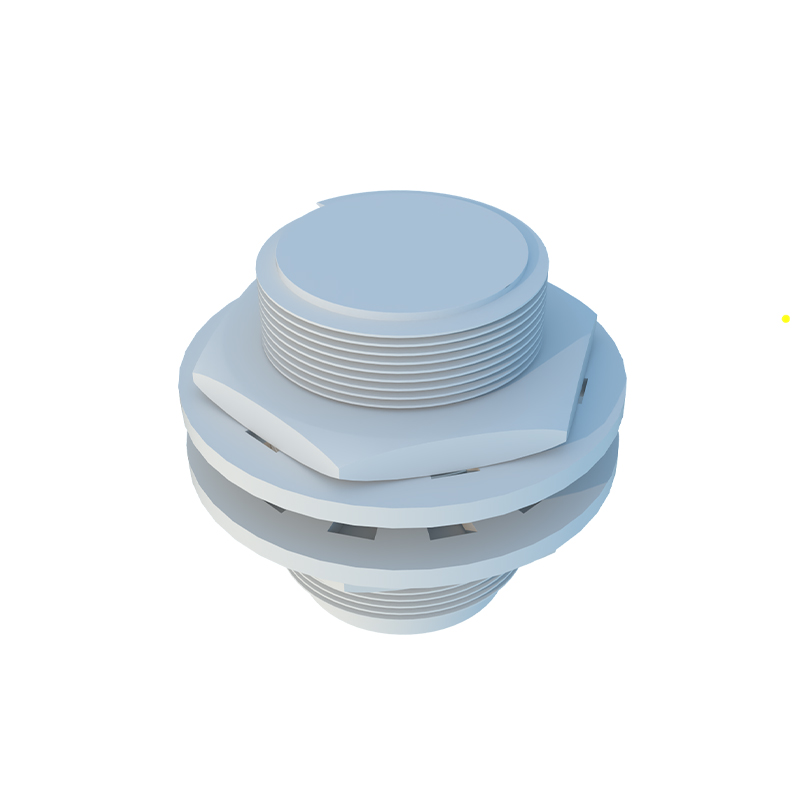
Inductive Proximity Sensors
Inductive sensors are a cornerstone of industrial sensing, primarily used for detecting metallic objects. They operate by generating an electromagnetic field. When a metal target enters this field, it induces eddy currents, which alter the oscillation amplitude within the sensor's coil. This change is detected, triggering an output signal. Common sub-types include shielded (flush-mountable) and unshielded versions, each with different sensing field shapes. They are renowned for their robustness, high switching frequency, and resistance to environmental factors like dust or oil, making them ideal for harsh manufacturing environments.
Capacitive Proximity Sensors
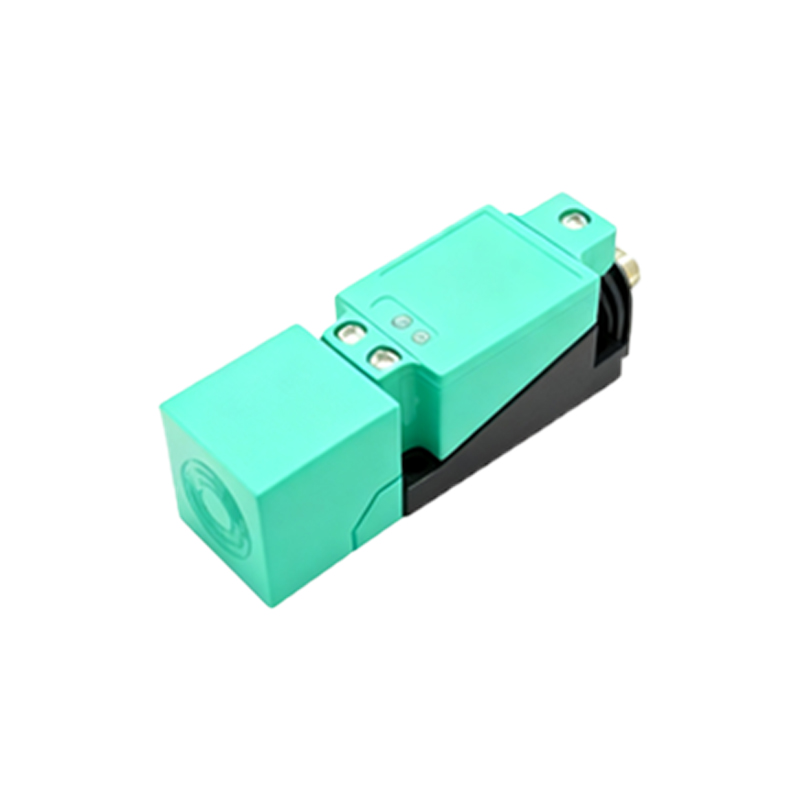
Capacitive sensors can detect both metallic and non-metallic materials, including liquids, plastics, glass, and wood. They function by measuring changes in capacitance. The sensor forms one plate of a capacitor, with the target object acting as the other plate. As the object approaches, the capacitance increases until it reaches a threshold that triggers the output. This technology is versatile and is often used for level detection of liquids or granular materials, as well as for detecting non-ferrous materials where inductive sensors fail.
Ultrasonic Proximity Sensors
These sensors use sound waves beyond the human hearing range. They emit ultrasonic pulses and measure the time taken for the echo to return after bouncing off a target object. This time-of-flight principle allows them to measure distance as well as mere presence. They are excellent for detecting objects of virtually any material, shape, or color, and are unaffected by ambient light or dust. Applications include pallet detection, liquid level control in tanks, and loop control in conveyor systems.
Photoelectric Sensors
Photoelectric sensors utilize light beams to detect objects. This broad category itself encompasses several key types, contributing significantly to the count of "10." The main configurations are through-beam, retro-reflective, and diffuse reflective. Through-beam models have separate emitter and receiver units, offering the longest sensing ranges. Retro-reflective types use a reflector to bounce light back to a combined emitter/receiver unit. Diffuse sensors rely on light reflecting directly off the target itself. They are indispensable for detecting small objects, transparent materials, and for long-range applications.
Magnetic Proximity Sensors (Reed Switches)
Magnetic sensors, often using reed switches or Hall effect chips, detect the presence of a permanent magnet. When the magnet approaches, the contacts inside the reed switch close (or the Hall effect chip generates a voltage), completing a circuit. They are characterized by their simplicity, low cost, and ability to operate in completely sealed environments, making them perfect for applications like door/window position sensing in safety systems or detecting cylinder piston position in pneumatic systems.
Hall Effect Sensors
A distinct type of magnetic sensor, Hall effect sensors generate a voltage difference (the Hall voltage) across an electrical conductor when a magnetic field is applied perpendicular to the current flow. They provide a solid-state, wear-free alternative to reed switches and can offer analog output proportional to magnetic field strength, useful for precision positioning or speed sensing (e.g., in brushless DC motors).
Eddy-Current Sensors
A high-precision variant of inductive sensing, eddy-current sensors are used for precise displacement and position measurement of conductive targets. They can detect minute changes in distance with micron-level resolution. Unlike standard inductive sensors, they often provide an analog output signal (e.g., 4-20 mA or 0-10V) corresponding to the gap distance, making them critical in vibration monitoring, machining, and precision assembly.
Laser Rangefinder Proximity Sensors
These sensors use a focused laser beam, typically based on time-of-flight or triangulation principles, to measure distance to a target with extremely high accuracy. They are a specialized form of photoelectric sensor used in applications requiring precise dimensional checks, robot guidance, or level measurement where other sensor types lack the necessary resolution.
Radar (Microwave) Sensors
Microwave sensors emit continuous or modulated microwave signals and detect the reflection from an object. They are particularly effective for long-range detection and through certain non-metallic