In the intricate world of modern electronics and automation, sensors act as the critical sensory organs, enabling devices to perceive and interact with their environment. Among the vast array of sensing technologies, proximity sensors and Micro-Electro-Mechanical Systems (MEMS) sensors stand out for their versatility and widespread adoption. While they serve different primary functions, their integration is increasingly driving innovation across industries.
Proximity sensors are designed to detect the presence or absence of an object within a certain range without physical contact. They operate on various principles, each suited to specific conditions and materials. Inductive proximity sensors generate an electromagnetic field to detect metallic objects, making them indispensable in industrial automation for tasks like counting metal parts or determining machine position. Capacitive sensors, on the other hand, can detect both metallic and non-metallic materials, including liquids and granular substances, by sensing changes in capacitance. They are commonly used in level sensing and touch-sensitive interfaces. Ultrasonic proximity sensors emit high-frequency sound waves and measure the time taken for an echo to return, excelling in distance measurement and object detection even in challenging environments with dust or moisture. Finally, photoelectric sensors use a light beam, typically infrared, to detect objects, offering long sensing ranges and high precision for packaging, material handling, and safety systems.
MEMS sensors represent a revolutionary leap in miniaturization. These devices integrate mechanical elements, sensors, actuators, and electronics on a single silicon chip through microfabrication technology. The core advantage of MEMS is its ability to create complex, tiny, and highly reliable systems at low cost and with low power consumption. Common MEMS sensors include accelerometers (measuring acceleration and tilt), gyroscopes (measuring angular velocity and orientation), pressure sensors, and microphones. The smartphone in your pocket is a testament to MEMS proliferation, housing multiple such sensors for screen rotation, gaming, navigation, and voice recognition.
The intersection of proximity sensing and MEMS technology is a fertile ground for advancement. MEMS fabrication techniques are being leveraged to create miniaturized, low-power, and highly sensitive proximity sensors. For instance, MEMS-based ultrasonic sensors are emerging for precise, short-range detection in consumer electronics and automotive applications. Furthermore, the data from a MEMS accelerometer or gyroscope can be fused with input from a traditional proximity sensor to provide richer contextual awareness. In a smartphone, the proximity sensor (often an infrared LED and photodetector) turns off the screen during a call, while MEMS sensors manage orientation. In advanced driver-assistance systems (ADAS), ultrasonic proximity sensors provide parking assistance, while MEMS inertial sensors contribute to vehicle stability and navigation.
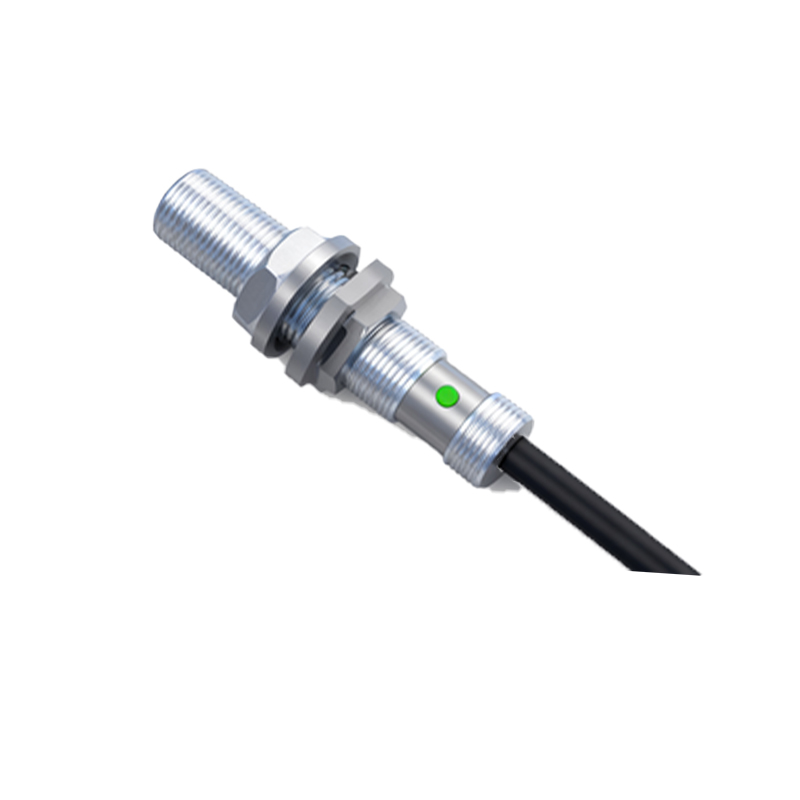
The applications of these technologies are vast and growing. In industrial settings, robust proximity sensors ensure safety on factory floors and enable precise robotic control. MEMS pressure sensors monitor hydraulic systems, and MEMS accelerometers predict machinery maintenance needs through vibration analysis. In consumer electronics, beyond smartphones, they enable features like automatic screen brightness adjustment, gesture recognition in smart TVs, and fall detection in smartwatches. The automotive industry relies heavily on both: proximity sensors for parking aids and blind-spot detection, and MEMS sensors for airbag deployment, electronic stability control, and tire pressure monitoring systems. Healthcare is another frontier, with MEMS sensors enabling compact, portable diagnostic devices and implantable monitors, while non-contact proximity sensing is used in touchless interfaces for sanitary equipment.
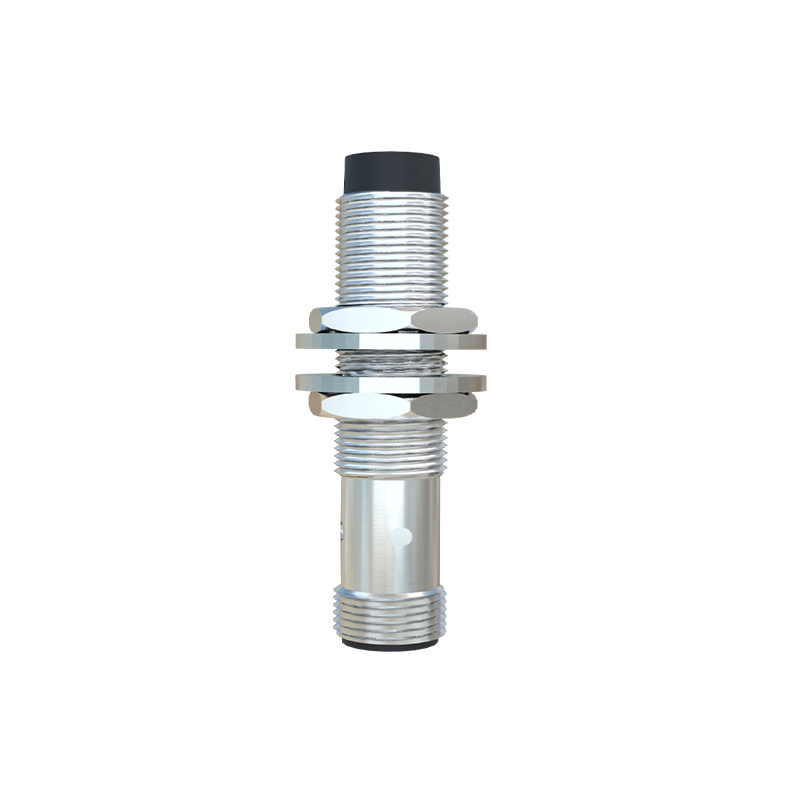
Looking ahead, the trends point toward greater integration, intelligence, and miniaturization. The development of "sensor fusion" – combining data from multiple sensor types (like a MEMS IMU and a proximity sensor) – is crucial for the Internet of Things (IoT) and autonomous systems, providing a more complete and accurate picture of the environment. Power efficiency remains a key driver, especially for battery-operated IoT devices, pushing for innovations in low-power MEMS and sensor wake-up technologies. Furthermore, the advent of advanced materials and nano-electro-mechanical systems (NEMS) promises even smaller, more sensitive, and multifunctional sensors.
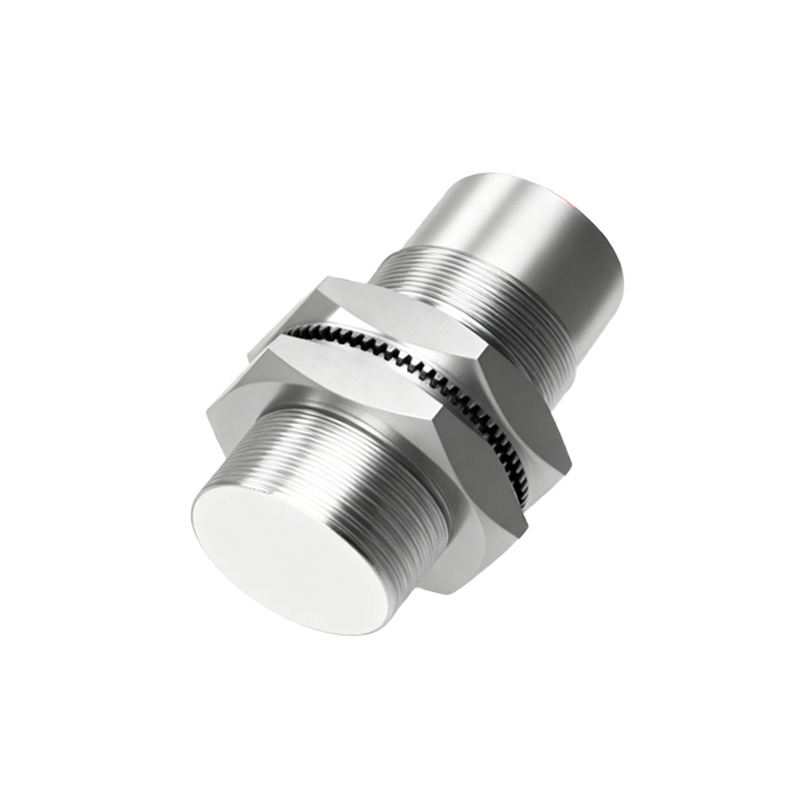
In conclusion, proximity sensors and MEMS sensors are foundational pillars of the sensing landscape. Proximity sensors provide essential non-contact detection capabilities, while MEMS technology enables sophisticated, miniaturized sensing of motion, pressure, and sound. Their continued evolution and convergence are not merely incremental improvements but are enabling the smart, responsive, and interconnected devices that define the present and will shape the future of automation, transportation, and personal technology. Understanding their principles and synergies is key to innovating the next generation of intelligent systems.