Introduction to Non-Metallic Sensing
Cylindrical proximity switches are fundamental components in industrial automation, traditionally renowned for detecting metallic objects. However, a specialized category of these sensors is engineered specifically for non-metallic object detection. These devices operate on principles distinct from standard inductive sensors, which rely on eddy currents induced in metals. For non-metallic materials like plastics, wood, glass, or liquids, capacitive or ultrasonic sensing principles are typically employed within the familiar cylindrical housing. This adaptation allows for versatile application across industries where the presence, absence, or level of non-conductive materials must be monitored reliably.
Operating Principle: Capacitive Technology
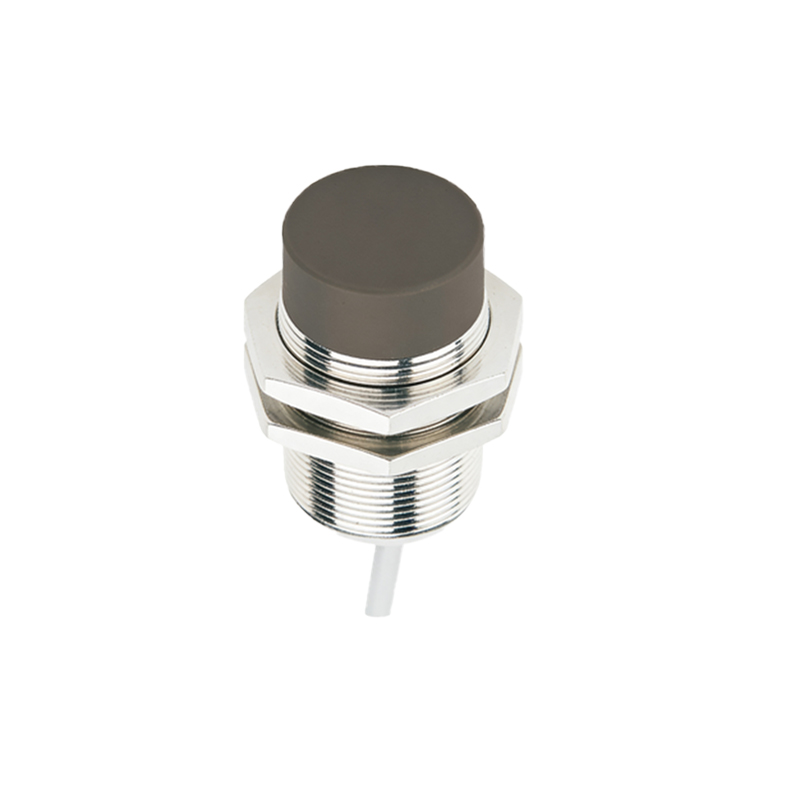
The primary technology enabling cylindrical proximity switches to detect non-metals is capacitive sensing. A capacitive sensor generates an electrostatic field from its sensing face. When any material, metallic or non-metallic, enters this field, it causes a change in the field's capacitance. The sensor's internal oscillator circuit detects this change. For non-metallic objects, the dielectric constant of the material is the key property. Materials with a higher dielectric constant (e.g., water, plastics, ceramics) cause a more significant change in capacitance, making them easier to detect. The cylindrical housing contains the active electrode (sensing face) and often includes a shield electrode to focus the field and reduce sensitivity to surrounding objects, ensuring stable operation.
Key Design and Performance Characteristics
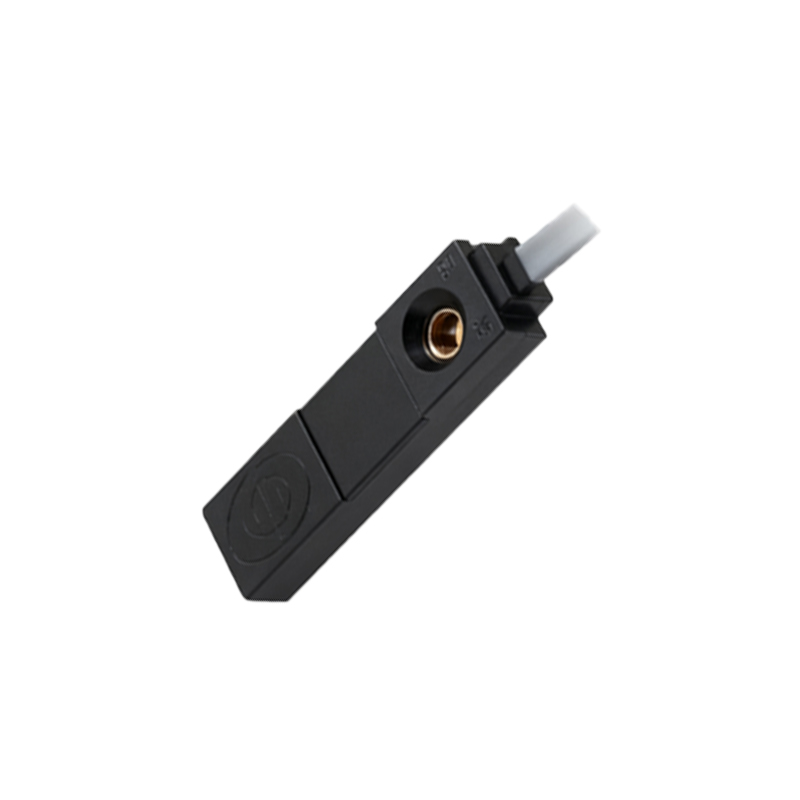
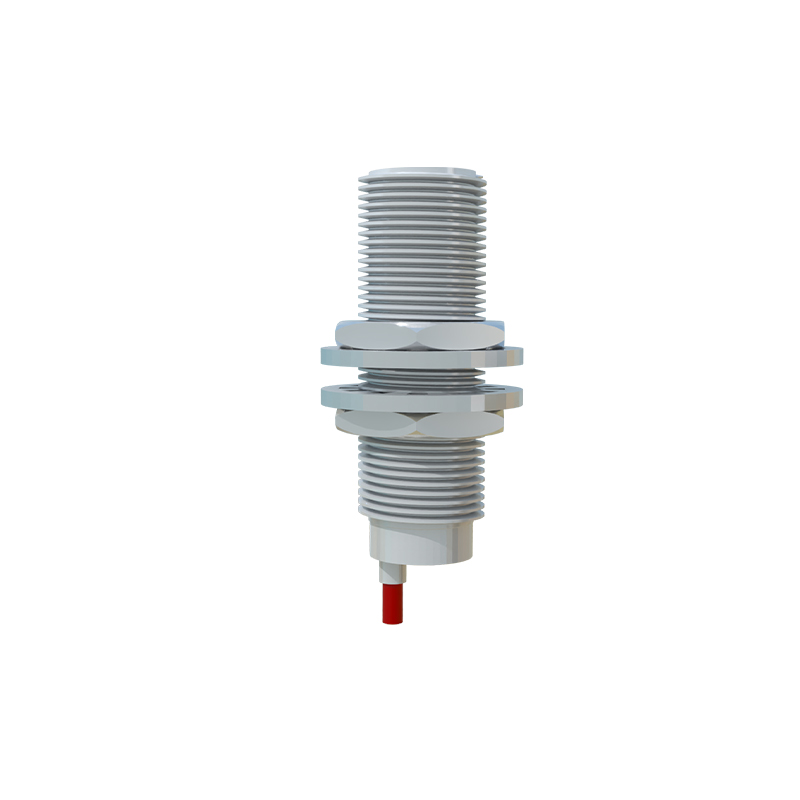
Cylindrical capacitive sensors share the robust, threaded metal barrel design of their inductive counterparts, offering protection ratings like IP67 for durability in harsh environments. Critical specifications include the sensing range, which is typically shorter for non-metals compared to metals for the same sensor size. The response is influenced by the target material's size, dielectric constant, and the installation conditions. Many models feature a potentiometer for sensitivity adjustment, allowing engineers to tune the sensor to ignore certain materials (like a container wall) and detect the target material specifically. Key performance parameters are the switching frequency, hysteresis, and temperature range, ensuring consistent operation in diverse industrial settings.
Application Scenarios in Industry
These sensors find extensive use in packaging, food and beverage, pharmaceutical, and woodworking industries. Common applications include detecting the presence of plastic or glass bottles on a conveyor, monitoring the fill level of liquids or granular solids in non-metallic containers, verifying the existence of a product label (paper/plastic), or controlling the stacking height of cardboard boxes. Their cylindrical form factor allows for easy installation in standard mounting holes, making them a direct replacement or alternative to inductive sensors in systems handling non-conductive products. The ability to detect through certain non-metallic walls enables non-contact level sensing of aggressive or sterile fluids.
Installation and Configuration Guidelines
Proper installation is paramount for reliable operation. The sensor must be mounted securely, and the sensing field should be free from interference by surrounding conductive materials or other sensors. A key practice is to perform the sensitivity adjustment with the target object in its final operational position. For level detection, the sensor is often calibrated to the dielectric constant of the material, distinguishing between the material and air (or the container wall). Engineers must also consider factors like material buildup on the sensor face, which can cause false triggering, and select sensors with appropriate housing materials (e.g., stainless steel, PBT) for the operational environment.
Advantages Over Alternative Solutions
Compared to optical or ultrasonic sensors for similar tasks, cylindrical capacitive proximity switches offer distinct benefits. They are generally less affected by ambient light, color, or surface texture of the target object. Their all-in-one, sealed cylindrical design provides excellent resistance to dust, moisture, and cleaning chemicals, making them suitable for washdown areas in food processing. They often provide a simpler, more robust solution with a direct switching output, requiring less complex wiring and configuration than some vision systems. For detecting non-metals in tight spaces or standard pneumatic cylinder mounts, their form factor is a significant advantage.
Selection Criteria and Future Trends
When selecting a cylindrical proximity switch for non-metallic objects, engineers must define the target material, required sensing distance, environmental conditions (temperature, humidity, chemicals), and the required electrical output (PNP/NPN, NO/NC). The trend is towards smarter sensors with IO-Link communication, enabling remote parameter setting, condition monitoring, and integration into Industry 4.0 networks. Miniaturization is another trend, allowing for detection in increasingly compact machinery. Furthermore, enhanced algorithms within the sensors are improving their ability to distinguish between different non-metallic materials and provide more stable signals in challenging applications.
SEO描述