Introduction to Photoelectric Sensor Technology
Photoelectric sensors are pivotal components in modern industrial automation, utilizing light beams to detect the presence, absence, or distance of objects. These sensors operate by emitting a light source—typically LED-based in visible red, infrared, or laser varieties—and measuring the reflected or interrupted light. The core principle involves a transmitter and a receiver; when an object disrupts the light beam, the sensor triggers an output signal. This technology is favored for its non-contact nature, high precision, and adaptability across diverse environments, from clean rooms to harsh manufacturing floors. Common types include through-beam, retro-reflective, and diffuse reflective sensors, each suited for specific applications based on range, object properties, and environmental factors. Their reliability in providing real-time data makes them indispensable for quality control, safety systems, and process optimization in industries like automotive, packaging, and material handling.
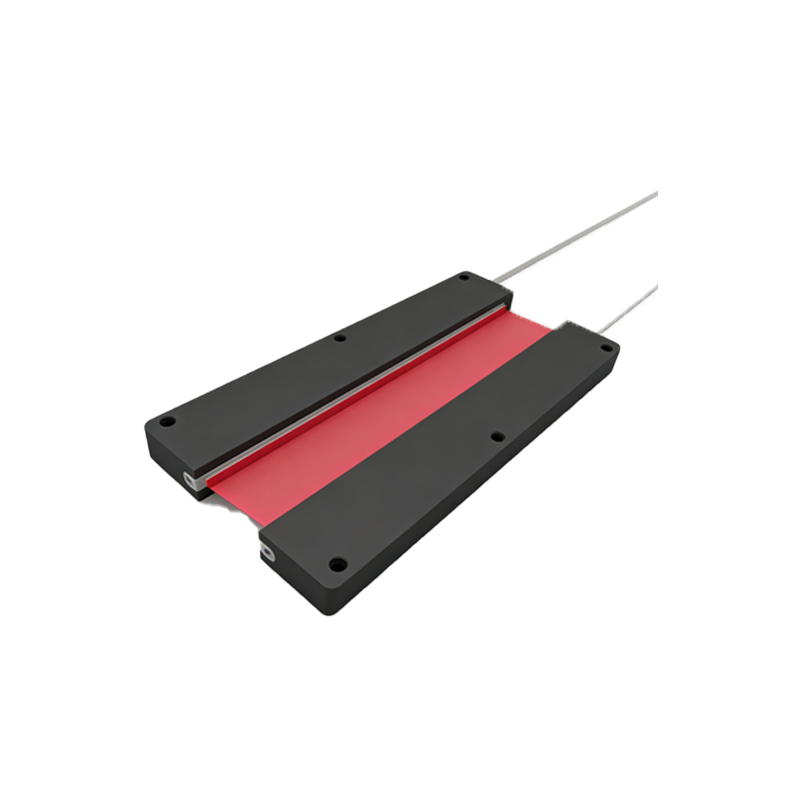
Case Study 1: Automotive Assembly Line Efficiency
In a high-volume automotive plant, photoelectric sensors were deployed to enhance assembly line accuracy and speed. The challenge involved detecting small, fast-moving components, such as bolts and clips, on a conveyor system prone to vibrations. Engineers selected miniature diffuse reflective sensors with focused laser beams for precise detection at close ranges. These sensors were integrated into robotic arms to verify part placement before welding. By implementing a network of sensors, the system reduced misalignment errors by 30%, minimizing rework and downtime. The sensors' immunity to ambient light interference ensured consistent performance under fluctuating factory lighting. This case highlights how tailored photoelectric solutions can boost productivity in dynamic settings, with sensors providing millisecond response times to keep pace with rapid production cycles.
Case Study 2: Packaging Industry Quality Assurance
A food packaging facility faced issues with detecting transparent plastic films on filling machines, leading to product waste and machine jams. Through-beam photoelectric sensors were installed to solve this problem, using infrared light to penetrate translucent materials. The sensors were positioned opposite each other across the production line, creating a continuous beam that detected even clear films without false triggers. This setup enabled real-time monitoring of film integrity, triggering alarms for breaks or misalignments. As a result, waste decreased by 25%, and machine efficiency improved by 15%. The case demonstrates the importance of selecting the right sensor type—through-beam sensors excel in detecting low-contrast objects—and underscores their role in maintaining hygiene standards, as non-contact sensing avoids contamination risks in food processing.
Case Study 3: Warehouse Logistics and Safety
In a large distribution center, photoelectric sensors were utilized to optimize automated guided vehicle (AGV) navigation and enhance worker safety. The AGVs required reliable object detection to avoid collisions in crowded aisles. Retro-reflective sensors with polarized filters were chosen for their long-range capabilities and ability to ignore shiny surfaces, reducing false readings from metal racks. These sensors created safety zones around AGVs, halting movement when personnel entered predefined areas. Additionally, diffuse sensors monitored inventory levels on shelves by detecting pallet presence. This implementation cut collision incidents by 40% and streamlined inventory management. The case illustrates how photoelectric sensors contribute to smart logistics, combining safety and operational efficiency through adaptable configurations and robust performance in dusty, high-traffic environments.
Technical Considerations for Sensor Selection
Choosing the appropriate photoelectric sensor involves evaluating several technical parameters. Sensing range is critical; through-beam sensors offer the longest distances, while diffuse types are ideal for short-range applications. Environmental factors like dust, moisture, and temperature must be addressed—sensors with IP67 ratings are common for industrial use. Response time is another key factor, with high-speed sensors needed for rapid production lines. Additionally, output types (e.g., NPN/PNP) and connectivity options should align with existing control systems. In the case studies, customization based on object color, reflectivity, and ambient conditions proved essential. Regular maintenance, such as lens cleaning and alignment checks, ensures longevity. Engineers should conduct site assessments to balance cost, performance, and reliability, leveraging sensor datasheets and manufacturer support for optimal integration.
Future Trends and Innovations
The evolution of photoelectric sensors is driven by Industry 4.0 and IoT integration. Smart sensors with embedded diagnostics and Ethernet connectivity are becoming standard, enabling predictive maintenance and data analytics. For instance, sensors that self-adjust sensitivity based on environmental changes are emerging, reducing manual calibration. In the automotive case, future upgrades may include AI-enhanced sensors for adaptive learning in assembly processes. Miniaturization continues, allowing sensors to fit into compact spaces without sacrificing power. Additionally, energy-efficient designs support sustainable operations. As industries embrace automation, photoelectric sensors will play a central role in cyber-physical systems, offering enhanced precision and connectivity for smarter, safer factories. These advancements promise to further elevate the case study outcomes, pushing efficiency and reliability to new heights.