Introduction to M5 Proximity Switch Sensors
M5 proximity switch sensors represent a critical category of non-contact sensing devices widely utilized in industrial automation and control systems. These compact, cylindrical sensors, typically with an M5 threaded body, are engineered to detect the presence or absence of metallic objects without physical contact. Operating on principles such as inductive, capacitive, or magnetic sensing, they offer high reliability, fast response times, and exceptional durability in harsh environments. The standardized M5 form factor ensures easy integration into machinery, robotic arms, conveyor systems, and safety interlocks. Their primary function is to provide precise positional feedback, enabling automated processes to operate with accuracy and efficiency, thereby minimizing downtime and enhancing overall productivity in manufacturing and assembly lines.
Key Technical Specifications and Variants
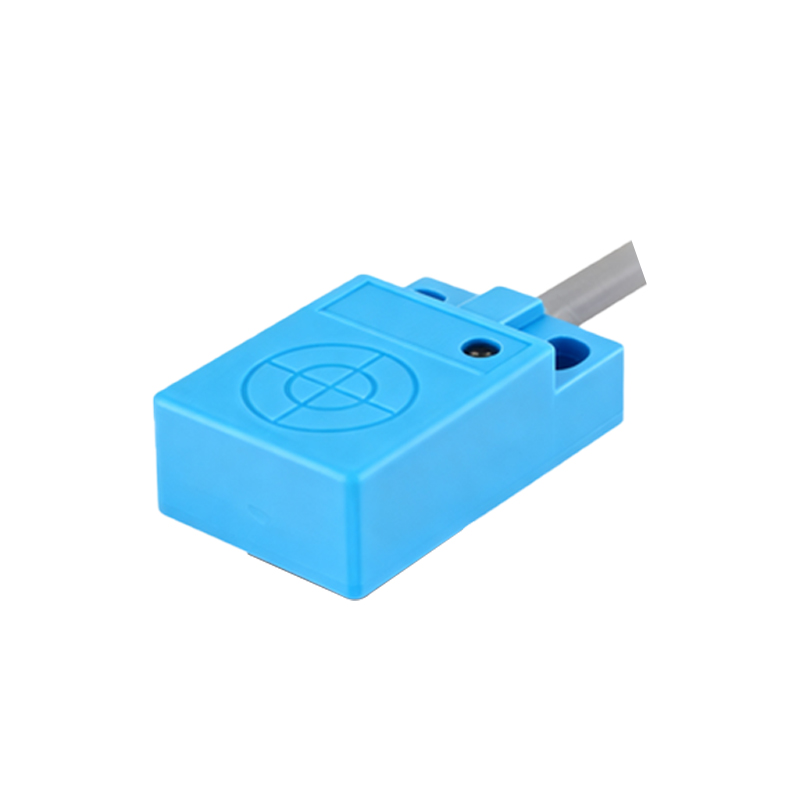
When selecting an M5 proximity sensor on platforms like JD.com, understanding technical specifications is paramount. Common sensing distances range from 1mm to 5mm, suitable for close-range detection. Key parameters include operating voltage (typically 10-30V DC or 90-250V AC), output type (PNP/NPN transistor, NO/NC contacts), and switching frequency. Inductive variants are standard for detecting ferrous and non-ferrous metals, while capacitive types can sense non-metallic materials like liquids or plastics. Shielded (flush-mountable) and unshielded (non-flush) designs cater to different installation needs regarding surrounding metal interference. Environmental ratings, such as IP67 for dust and water resistance, are crucial for applications exposed to coolants, oils, or washdowns. High-temperature models are available for extreme conditions.
Advantages of Procuring from JD.com
JD.com serves as a robust procurement channel for industrial components like M5 proximity sensors. The platform aggregates products from numerous reputable brands and authorized distributors, offering a vast selection to compare specifications, pricing, and availability. Detailed product listings often include datasheets, dimensional drawings, and compatibility information, aiding in precise selection. Customer reviews and ratings provide real-world insights into product performance and reliability. JD's logistics network ensures timely delivery, which is vital for maintenance and project timelines. Furthermore, the platform frequently offers competitive pricing, bulk order discounts, and promotional deals, making it a cost-effective source for both one-off purchases and recurring supply needs for facility managers and procurement specialists.
Integration and Application Scenarios
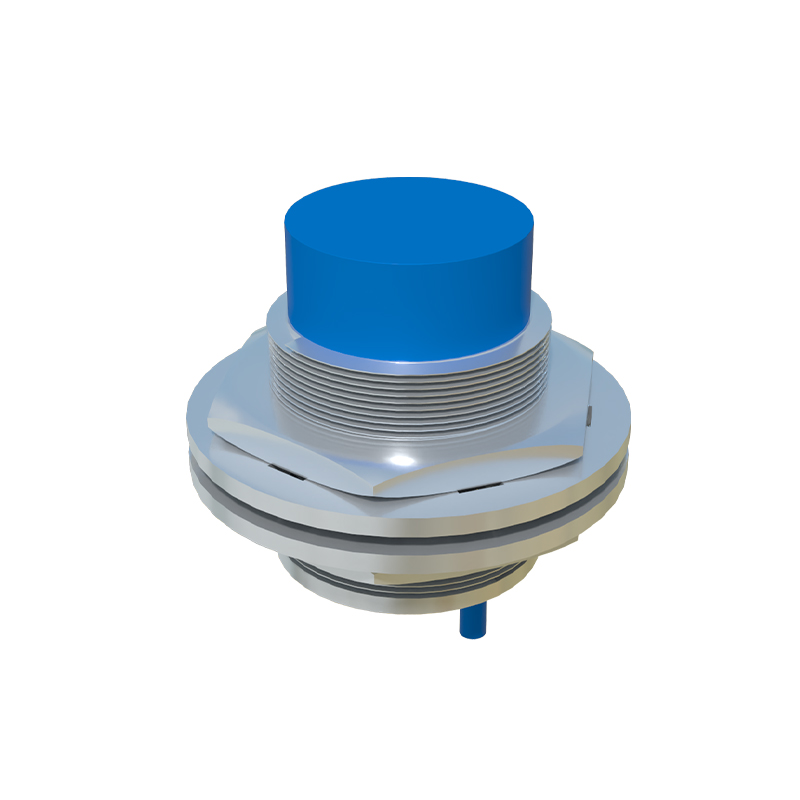
Integrating an M5 proximity switch requires careful consideration of the target application. In automated machining centers, these sensors are used for tool position verification and workpiece detection. On packaging lines, they count products or confirm lid placement. Within robotic cells, they provide end-of-arm tooling confirmation or safety zone monitoring. Proper installation involves securing the sensor with its M5 locknut at the correct sensing distance and orientation, ensuring the target object enters the detection field reliably. Wiring must adhere to the sensor's output circuit specifications and be protected against electrical noise. Regular testing and calibration are recommended to maintain detection accuracy. Their small size makes them ideal for space-constrained applications where larger sensors would be impractical.
Maintenance, Troubleshooting, and Best Practices
While M5 proximity sensors are designed for longevity, proper maintenance extends service life. Regular visual inspections for physical damage, contamination buildup, or loose connections are essential. Common issues include failure to detect, erratic switching, or reduced sensing range. Troubleshooting steps involve verifying power supply voltage, checking wiring polarity, ensuring the target material and size are within specifications, and inspecting for adjacent metal causing interference. Cleaning the sensing face from debris like metal chips or grease often resolves problems. Implementing best practices, such as using sensors with adequate environmental protection for the application, avoiding excessive mechanical stress on the cable, and following manufacturer guidelines for installation, minimizes failures and ensures consistent operation in demanding industrial settings.