Introduction to Magnetic Proximity Switch Sensor M8
The Magnetic Proximity Switch Sensor M8 represents a cornerstone of modern industrial automation, offering a robust and reliable solution for non-contact position sensing. Characterized by its compact M8 threaded housing, this sensor is engineered to detect the presence or absence of a magnetic field, typically generated by a permanent magnet. Unlike inductive or capacitive sensors, the M8 magnetic variant operates on the principle of magnetic field interaction, making it uniquely suited for applications involving non-ferrous materials, sealed environments, or where physical contact is impractical. Its design prioritizes durability, withstanding harsh industrial conditions including temperature extremes, vibration, and exposure to oils or coolants. The fundamental operation involves an internal reed switch or Hall-effect component that toggles its output state when a predefined magnetic flux density is reached, providing a clear digital signal to a PLC or control system.
Key Technical Specifications and Operating Principles
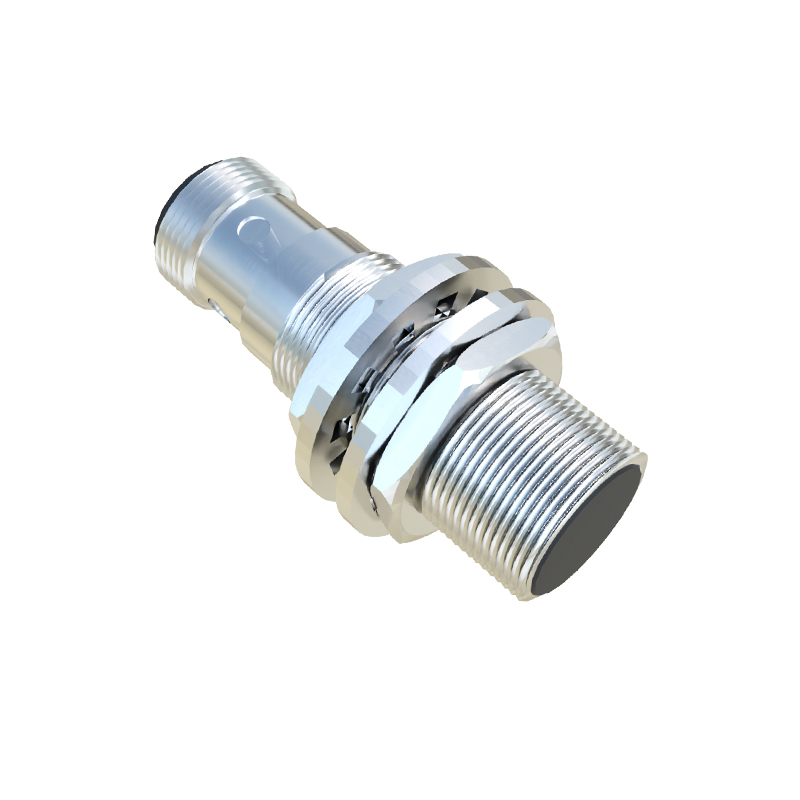
The performance of an M8 magnetic proximity sensor is defined by a set of critical specifications. The sensing distance, typically ranging from 2mm to 10mm for standard models, is a function of the magnet's strength and the sensor's sensitivity. Operating voltage commonly spans from 10-30V DC, with both PNP (sourcing) and NPN (sinking) output configurations available to interface with different control logic. The protection class, often rated at IP67 or higher, ensures resistance to dust ingress and temporary immersion. Internally, most M8 sensors utilize a hermetically sealed reed switch for basic applications or a solid-state Hall-effect IC for higher switching frequencies and longer operational life. The Hall-effect type provides a more precise switching point and is immune to contact bounce, making it ideal for high-speed counting or precise positioning tasks. The sensor is inherently immune to non-magnetic materials, allowing it to function through walls of plastic, aluminum, or stainless steel, a significant advantage in packaging or fluid system monitoring.
Advantages Over Other Sensor Types
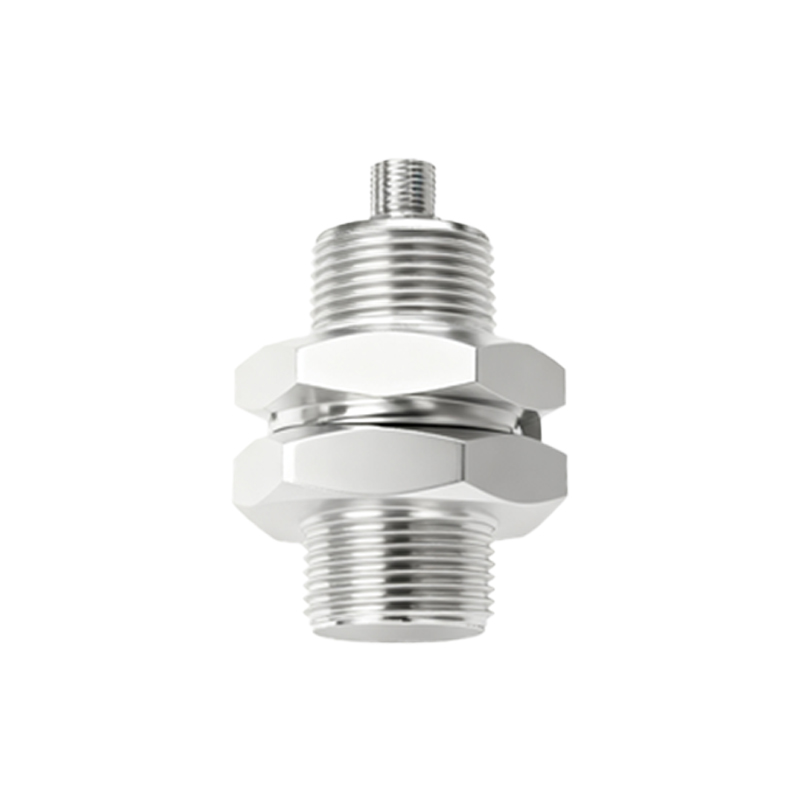
The M8 magnetic proximity switch offers distinct benefits that dictate its selection in specific scenarios. Its primary advantage is the ability to sense through non-ferrous barriers, enabling installation in protected locations. This makes it perfect for monitoring cylinder piston position by mounting the sensor on the outside of an aluminum cylinder body, with a magnet embedded in the piston. Compared to inductive M8 sensors, which only detect metals, the magnetic type provides greater application flexibility. It is also highly resistant to environmental contaminants like welding spatter or conductive chips that could foul other sensor types. The simple two-wire or three-wire connection facilitates easy installation and replacement. Furthermore, the absence of mechanical wear in the sensing element translates to exceptional reliability and a virtually limitless number of switching cycles, reducing maintenance downtime and total cost of ownership.
Typical Industrial Application Scenarios
The application range for M8 magnetic proximity sensors is vast across factory automation. A quintessential use is in pneumatic and hydraulic cylinders as an end-position sensor, providing feedback for piston rod extension and retraction. In material handling, they are deployed on conveyor systems to detect the presence of fixtures or pallets equipped with small magnets. They serve as reliable door or hatch position sensors on machinery guards and enclosures. Within the automotive manufacturing sector, these sensors monitor tooling positions in welding jigs and clamps. In food and beverage or pharmaceutical industries, their sealed construction allows for washdown environments, where they can detect valve positions or actuator states through stainless steel piping. They are also integral to simple counting mechanisms and rotary speed detection on shafts or gears.
Installation Guidelines and Best Practices
Correct installation is paramount for optimal sensor performance and longevity. The sensor should be mounted securely using its M8 thread, ensuring it is aligned parallel to the magnetic field lines of the target magnet. The sensing face must be oriented correctly, as the effective sensing distance is axial for most models. It is critical to maintain the specified switching distance, accounting for any tolerance stack-up in mechanical assemblies. Wiring should follow the manufacturer's diagram, with attention to polarity for DC models. For long cable runs in electrically noisy environments, using shielded cable is recommended. The operating magnetic field strength must be within the sensor's specified range; an excessively strong magnet can damage a reed switch, while a weak one may cause unreliable operation. Regular functional checks should be part of preventive maintenance routines.
Troubleshooting Common Issues
When an M8 magnetic sensor malfunctions, systematic troubleshooting is required. A failure to switch may indicate incorrect magnet alignment, excessive gap, a weakened magnet, or a wiring fault. Using a Gauss meter to verify the magnetic field strength at the sensor face is a valuable diagnostic step. Erratic switching can result from