Introduction to Laiwu's Photoelectric Sensor Industry
Laiwu, a significant industrial hub in Shandong Province, China, has carved out a notable presence in the manufacturing of photoelectric sensors. These devices, crucial for automation, safety, and quality control across numerous sectors, are produced by a cluster of specialized manufacturers in the region. The local industry benefits from a robust supply chain, skilled engineering talent, and a strategic focus on industrial automation components. This guide provides an in-depth look at the key players and the technological landscape of photoelectric sensor manufacturing in Laiwu, offering valuable insights for procurement specialists, design engineers, and industry stakeholders seeking reliable suppliers.
Key Manufacturing Players and Their Specializations
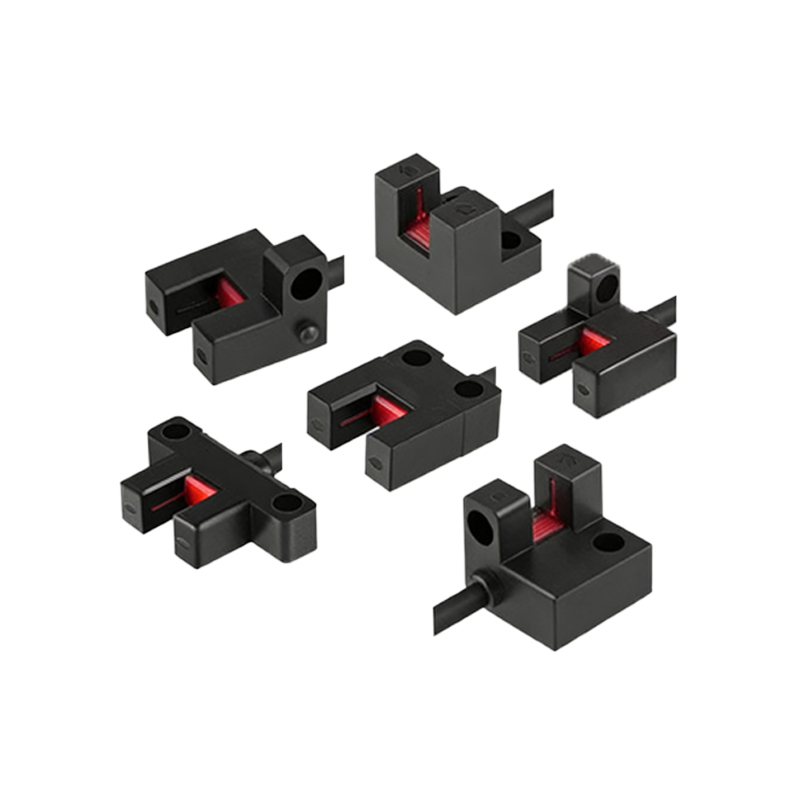
The photoelectric sensor market in Laiwu is characterized by a mix of established manufacturers and dynamic emerging companies. Leading firms often specialize in specific sensor types, such as diffuse, retro-reflective, through-beam, or background suppression models. Some manufacturers have developed strong expertise in producing sensors for harsh environments, featuring high IP ratings, robust housings, and resistance to temperature extremes, chemicals, or washdowns. Others focus on miniaturized designs for space-constrained applications or high-speed sensors for precise positioning and counting tasks. It is common for these manufacturers to operate with integrated R&D and production facilities, allowing for stringent quality control from component sourcing to final assembly and testing.

Technological Capabilities and Product Ranges
Manufacturers in Laiwu typically offer a comprehensive portfolio of photoelectric sensors. This includes standard models with fixed sensing distances and more advanced variants with adjustable sensitivity, teach-in functionality, and programmable logic. Many companies are integrating modern communication protocols like IO-Link into their sensor designs, enabling advanced diagnostics, parameter setting, and seamless integration into Industry 4.0 and smart factory environments. The core technology revolves around reliable light emission (often using LEDs in visible red, infrared, or laser light) and precise reception. Competitiveness is often driven by innovations in lens design, signal processing algorithms to combat ambient light interference, and the development of specialized sensors for color detection, contrast recognition, or precise distance measurement.
Quality Standards and Industry Certifications
To compete in global markets, reputable photoelectric sensor manufacturers in Laiwu adhere to international quality management systems. ISO 9001 certification is a common baseline, ensuring consistent production processes and product quality. Furthermore, sensors intended for specific markets or applications often carry relevant certifications such as CE (for the European Union), UL/cUL (for North America), or RoHS compliance for environmental safety. Manufacturers with a focus on automotive, food and beverage, or pharmaceutical applications may also have specific production lines certified under IATF 16949 or similar standards, guaranteeing that their sensors meet the rigorous demands of these sectors.
Supply Chain and Customization Services
A significant advantage of sourcing from Laiwu-based manufacturers is their embedded position within a mature industrial ecosystem. This provides efficient access to raw materials, electronic components, and precision machining services. Many manufacturers offer substantial customization capabilities, allowing clients to specify unique housing materials, connector types, cable lengths, output configurations (NPN/PNP, analog, relay), and even special sensing characteristics. This flexibility is particularly valuable for OEMs (Original Equipment Manufacturers) who require sensors tailored to integrate seamlessly into their proprietary machinery or systems, offering a distinct competitive advantage.
Considerations for Sourcing and Procurement
When evaluating photoelectric sensor manufacturers in Laiwu, technical specifications are paramount. Key parameters include sensing distance, response time, light source type, and output type. However, beyond the datasheet, factors such as minimum order quantities (MOQs), lead times, technical support availability, and the manufacturer's experience in your specific industry vertical are critical. Establishing clear communication regarding application requirements is essential to ensure the selected sensor performs reliably in the intended operational environment. Many manufacturers provide sample units for testing and have engineering teams capable of offering pre-sales application consultation.
Future Trends and Market Outlook
The photoelectric sensor industry in Laiwu is evolving in tandem with global automation trends. Manufacturers are increasingly investing in R&D for smarter, more connected sensors. The integration of advanced diagnostics that predict maintenance needs, enhanced connectivity for data collection, and the development of sensors with higher precision and immunity to environmental factors are key focus areas. As industries worldwide continue to automate and digitize their operations, the demand for reliable, innovative, and cost-effective photoelectric sensors is expected to grow, positioning proactive manufacturers in Laiwu for continued expansion and technological leadership.