Introduction to Metal Proximity Sensor Pricing
The factory price of a metal proximity sensor is a critical factor for procurement specialists, engineers, and business owners across automation, manufacturing, and machinery sectors. Unlike retail prices, the factory price reflects the base cost of production before additional markups for distributors, logistics, and regional taxes. This price is influenced by a complex interplay of technical specifications, material costs, manufacturing processes, and order volumes. A deep understanding of these components is essential for making informed purchasing decisions and optimizing project budgets. The sensor's core function—to detect the presence or absence of metallic objects without physical contact—relies on electromagnetic principles, and the technology chosen directly impacts its cost structure.
Key Factors Influencing the Base Cost
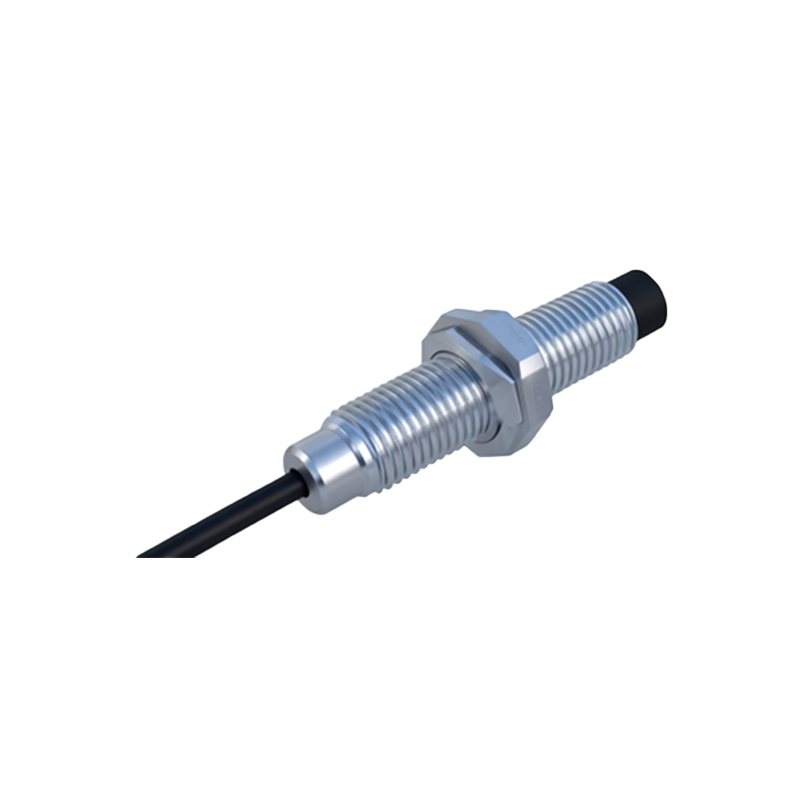
Several technical and commercial elements determine the final factory quotation. The sensing technology is paramount; inductive sensors, the most common for metal detection, vary in price based on their operating frequency, switching frequency, and whether they are shielded or unshielded. Sensing range is another major cost driver; a sensor with a 20mm range will typically cost more than one with a 5mm range due to more complex coil design and material usage. Housing material also plays a significant role. Stainless steel or brass housings, necessary for harsh environments (e.g., food processing, washdown areas), are more expensive than standard nickel-plated brass or PBT plastic housings. The ingress protection rating, such as IP67 or IP69K, adds cost through more rigorous sealing processes.
The Impact of Output Configuration and Electrical Specifications
The electrical design of the sensor directly correlates with its price. Output type is a primary differentiator. Basic two-wire DC sensors are often the most economical, while three-wire DC sensors (PNP or NNP) and four-wire models (with both NO and NC contacts) command higher prices due to more complex internal circuitry. Analog output sensors (4-20mA, 0-10V) for distance measurement are significantly more expensive than simple digital switches. Voltage range is another factor; sensors supporting a wide DC range (e.g., 10-30V DC) or universal AC/DC supply often incorporate more robust voltage regulation components, increasing the unit cost. Additionally, features like short-circuit protection, reverse polarity protection, and overload protection add incremental value and cost.
Manufacturing Scale and Quality Assurance Costs
Economies of scale profoundly affect the factory price. An order for 100 units will have a much higher per-unit cost than an order for 10,000 units, as fixed costs (tooling, setup, calibration) are amortized over a larger quantity. The level of quality assurance and testing integrated into the manufacturing line also contributes to the price. Factories adhering to stringent international standards like ISO 9001 implement comprehensive testing protocols—including temperature cycling, vibration tests, and long-term stability checks—which increase labor and time costs but ensure higher reliability and longevity. Customization requests, such as special cable lengths, connectors, or laser-engraved logos, will move the price upward from the standard catalog price.
Supply Chain and Raw Material Volatility
The factory price is not static; it is susceptible to global supply chain dynamics. The cost of raw materials, particularly copper for coils, rare-earth elements for core materials, and semiconductors for integrated circuits, can fluctuate widely based on market demand and geopolitical factors. Disruptions in the supply of these critical components can lead to price increases or extended lead times. Furthermore, regional manufacturing advantages play a role. Factories located in areas with lower labor costs might offer more competitive base prices, but this must be balanced against potential logistical expenses and the consistency of quality control. Smart buyers often request quotes in USD or EUR to hedge against currency exchange rate fluctuations.
Strategies for Obtaining Competitive Factory Quotes
To secure the best possible factory price, preparation is key. Provide suppliers with a detailed, clear specification sheet including required sensing distance, target metal, housing material, thread size, output type, voltage, and required certifications (CE, UL). Always request pricing for different quantity brackets (e.g., 100pcs, 500pcs, 1000pcs) to understand volume discounts. Consider the total cost of ownership, which includes not just the unit price but also expected lifespan, failure rates, and compatibility with existing systems. Establishing a long-term partnership with a reputable manufacturer can lead to better pricing and priority support over time. Finally, be wary of prices that seem excessively low, as they may indicate compromises in material quality, component sourcing, or testing procedures.
Conclusion: Balancing Cost and Performance
Determining the factory price of