Introduction to Reflective Photoelectric Sensors
Reflective photoelectric sensors, often termed proximity sensors, are pivotal components in modern industrial automation systems. These devices operate by emitting a beam of light, typically from an LED or laser diode, towards a target object. A photodetector within the same housing then captures the light reflected back from the object. The core principle hinges on the detection of this reflected light to determine the presence, absence, or specific characteristics of the target. Unlike through-beam sensors that require separate emitter and receiver units, the reflective type integrates both, simplifying installation and reducing costs. Their versatility allows for applications ranging from object detection on conveyor belts to precise positioning in assembly lines. The fundamental operation is governed by the interplay of emitted light intensity, target reflectivity, and environmental factors, making their understanding crucial for effective implementation.
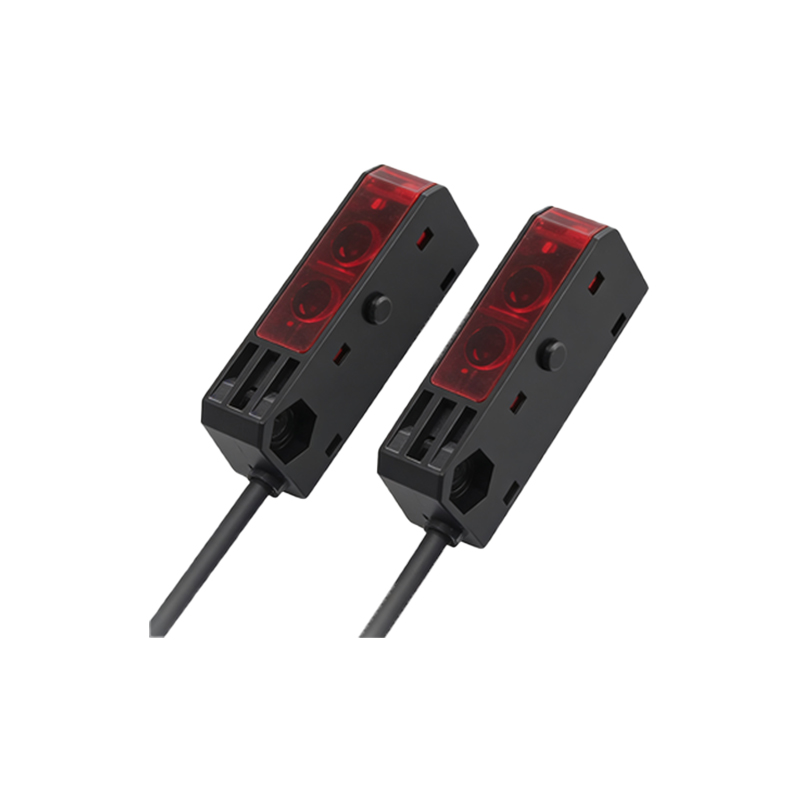
Core Operating Principle and Components
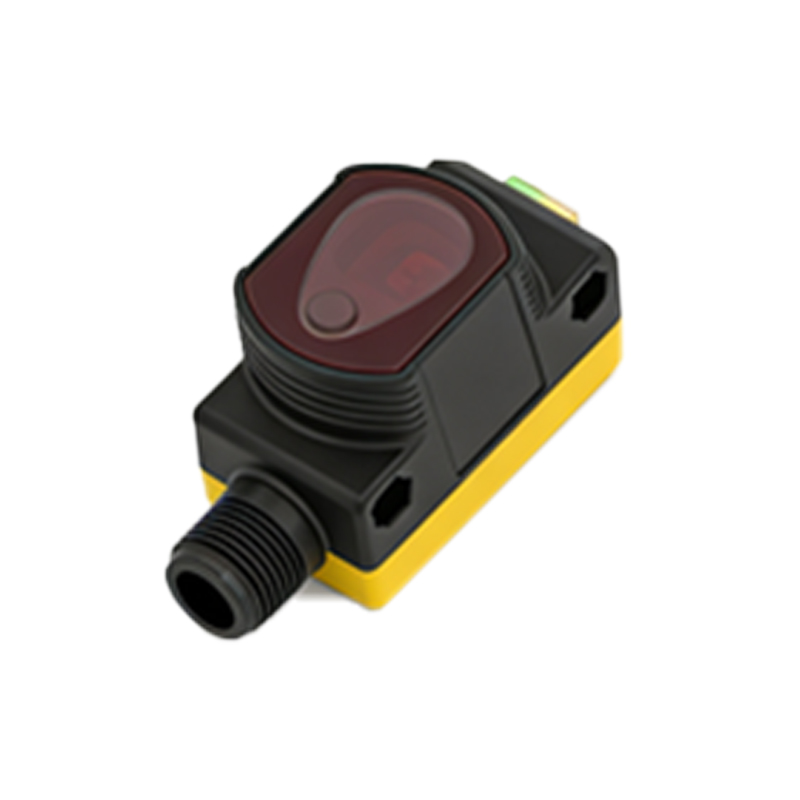
The operational mechanism of a reflective photoelectric sensor can be broken down into three key stages: emission, reflection, and reception. The emitter circuit drives a light source to generate a modulated beam—often infrared, red, or laser light—to minimize interference from ambient light. This beam is projected onto the target surface. Upon striking the surface, a portion of the light is diffusely reflected based on the material's color, texture, and distance. The photodetector, usually a phototransistor or photodiode, is strategically positioned to capture this returning light. An internal amplifier then processes the detector's signal, comparing it to a predefined threshold. When the received signal strength exceeds this threshold, the sensor's output switches state, indicating target detection. Key internal components include the optical lens for beam focusing, a housing that protects against dust and moisture (often rated IP67), and circuitry for signal conditioning and output switching (e.g., NPN/PNP transistor or relay output).
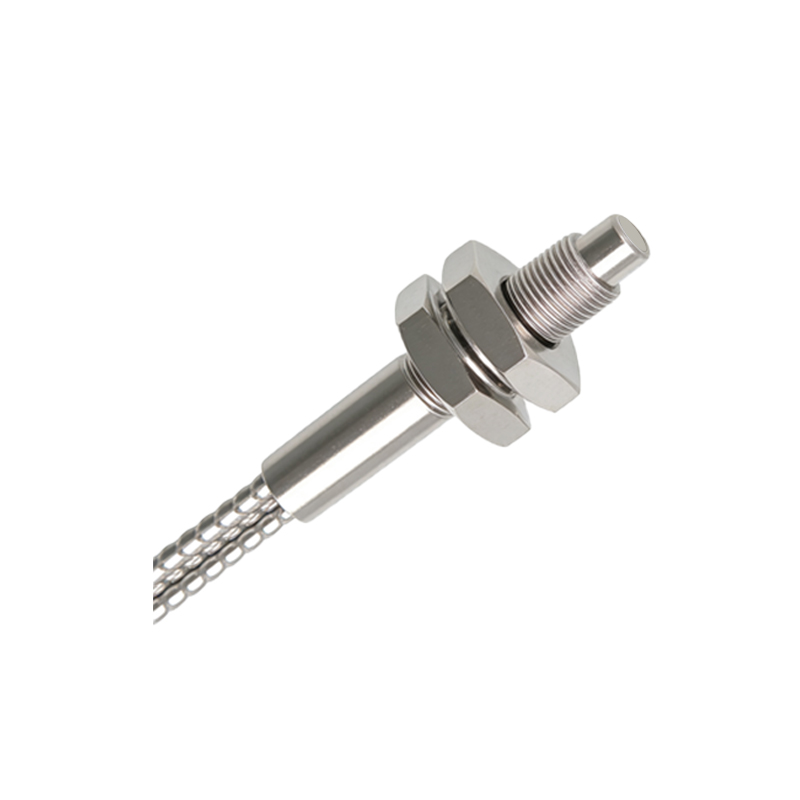
Types of Reflective Photoelectric Sensors
Reflective photoelectric sensors are primarily categorized into two types: diffuse reflective and retro-reflective. Diffuse reflective sensors are the most common, where the sensor detects light reflected directly from the target object itself. Their sensing distance is influenced by the target's size, color, and surface finish, typically ranging from a few millimeters to several meters. Retro-reflective sensors, on the other hand, employ a specialized reflector (corner-cube reflector) placed opposite the sensor. The sensor emits light towards this reflector, which returns the beam directly along its incident path. Detection occurs when an object interrupts this beam path. This type offers longer sensing distances and is less sensitive to target color. A specialized variant, the polarized retro-reflective sensor, uses a polarizing filter to ignore reflections from shiny surfaces, preventing false triggers and enhancing reliability in challenging environments.
Critical Performance Parameters and Selection Criteria
Selecting the appropriate reflective photoelectric sensor requires careful analysis of several technical parameters. Sensing distance, defined as the maximum reliable detection range, is paramount and varies by model and target reflectivity. Response time, measured in milliseconds or microseconds, determines how quickly the sensor can detect a passing object, critical for high-speed production lines. Light source type is another key factor; infrared sensors offer long range and immunity to visible light, red light sensors provide a visible beam for easier alignment, and laser sensors enable precise detection of small objects. Environmental robustness, indicated by Ingress Protection (IP) ratings and temperature operating ranges, ensures reliability in harsh industrial settings. Additionally, factors like background suppression (the ability to ignore distant objects), output configuration (digital or analog), and housing material (metal or plastic) must align with the specific application requirements to ensure optimal performance and longevity.
Common Applications in Industrial Automation
The utility of reflective photoelectric sensors spans numerous industrial sectors. In packaging machinery, they are indispensable for detecting labels, counting products, and monitoring fill levels. On automated assembly lines, they verify the presence of components, control robotic arm positioning, and ensure correct part orientation. Within the automotive industry, these sensors facilitate precise weld point detection, part insertion verification, and door seal gap monitoring. They are also extensively used in material handling systems for pallet detection, conveyor jam prevention, and warehouse automation for inventory tracking. Their non-contact nature prevents product damage and allows for high-speed operation, making them superior to mechanical limit switches in most dynamic applications. The adaptability to detect various materials, including glass, metal, plastic, and liquids, further broadens their applicability across diverse manufacturing processes.
Installation, Alignment, and Troubleshooting Tips
Proper installation is critical for reliable sensor operation. The sensor should be mounted securely to minimize vibration, which can cause signal fluctuation. Alignment towards the target must be precise; many sensors feature a built-in LED indicator that signals when the received light intensity is sufficient. For diffuse sensors, the sensing distance should be tested with the actual target material under normal operating conditions, as a highly reflective test card may give misleading results. Common issues include false triggering due to ambient light interference, which can be mitigated by using sensors with modulated light sources and optical filters. Accumulation of dust or debris on the lens can attenuate the light beam, requiring regular maintenance. Troubleshooting often involves checking power supply stability, verifying output load compatibility, and using an oscilloscope to monitor the received signal strength. Understanding the sensor's datasheet specifications for minimum detectable object size and beam spread angle is essential for avoiding application pitfalls.
Advancements and Future Trends
Technological evolution continues to enhance the capabilities of reflective photoelectric sensors. The integration of advanced microprocessors and Application-Specific Integrated Circuits (ASICs) has enabled features like programmable sensing distance, adjustable sensitivity via teach-in functions, and digital communication interfaces (IO-Link). IO-Link connectivity allows for real-time parameter adjustment, remote diagnostics, and condition monitoring, facilitating predictive maintenance strategies. Furthermore, the development of background suppression (BGS) and foreground suppression (FGS) technologies using triangulation principles allows sensors to detect objects within a very specific distance window, ignoring everything beyond or before it. This is particularly valuable for applications requiring precise height detection or ignoring conveyor belts. Looking ahead, the convergence of photoelectric sensing with machine vision and artificial intelligence for pattern recognition and quality inspection represents a significant frontier, promising even greater intelligence and autonomy in industrial sensing systems.