Introduction to Proximity Sensing
Proximity sensors are non-contact electronic devices designed to detect the presence or absence of an object within a specified sensing range without any physical contact. These sensors are fundamental components in modern industrial automation, robotics, and safety systems. Their primary function is to convert information about the presence or position of a target object into an electrical signal. This capability allows for precise control, monitoring, and automation of machinery and processes. The core appeal of proximity sensors lies in their reliability, long operational life due to the absence of mechanical wear, and their ability to function in harsh environments where dirt, oil, or vibration might render other sensing methods ineffective. They are categorized based on their underlying detection principle, with inductive, capacitive, ultrasonic, and photoelectric being the most prevalent types.
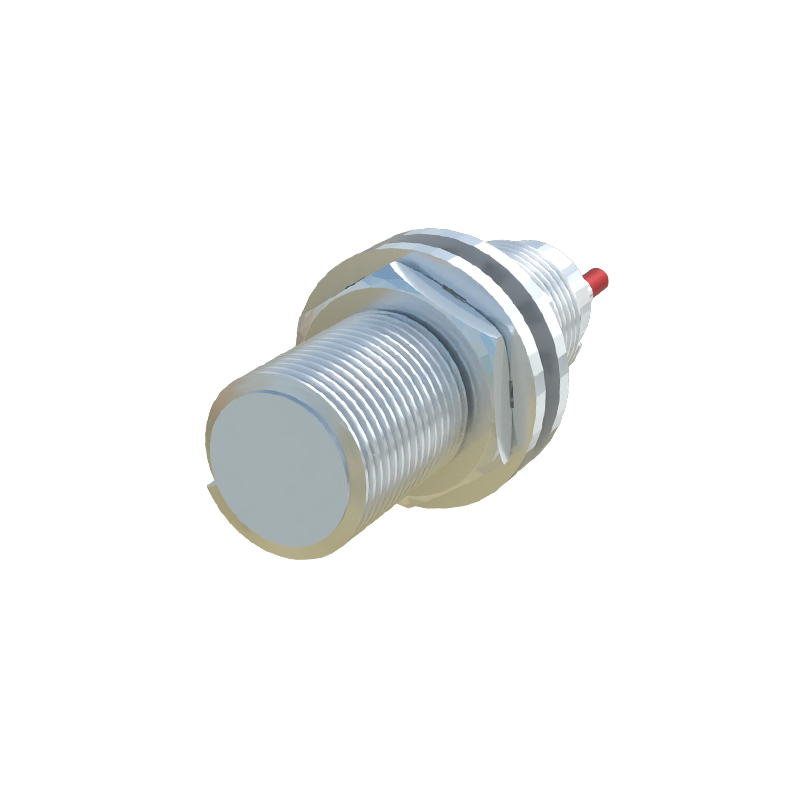
The Principle of Inductive Proximity Sensors
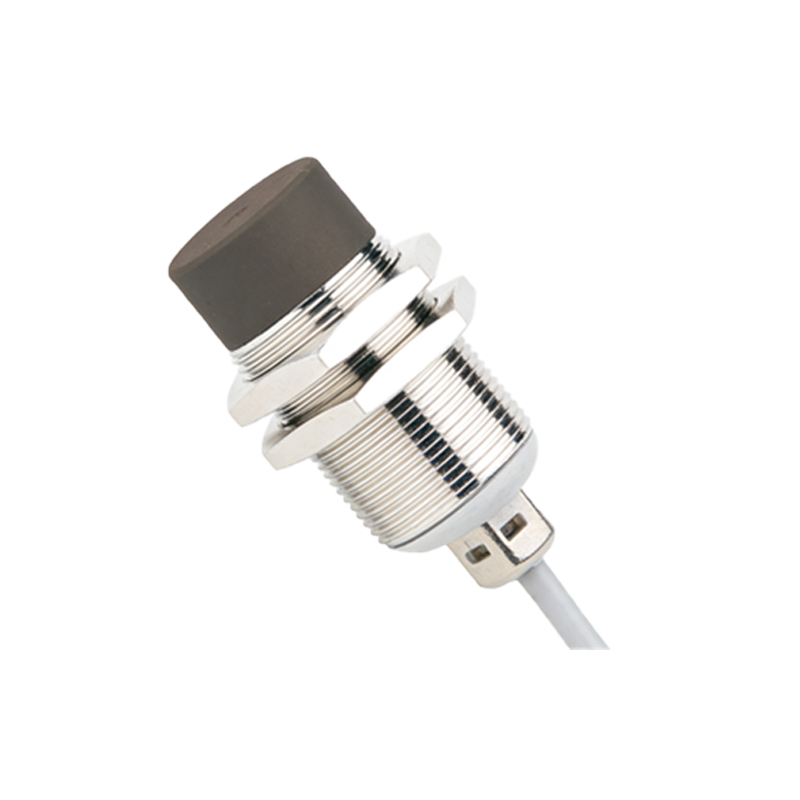
Inductive proximity sensors are specifically engineered to detect metallic objects, primarily ferrous metals like iron and steel. The sensing mechanism revolves around electromagnetic induction. The sensor's active face contains a coil that is part of an oscillator circuit. When energized, this coil generates a high-frequency oscillating electromagnetic field. In the absence of a metallic target, the oscillator operates at a constant amplitude. When a conductive metal object enters this alternating magnetic field, eddy currents are induced on the surface of the object. These eddy currents draw energy from the oscillator circuit, causing a reduction in the oscillation amplitude. An integrated evaluation circuit continuously monitors this amplitude. Once the amplitude drop exceeds a predefined threshold—indicating the object is within the nominal sensing range—the circuit triggers a state change in the sensor's output switch (typically a solid-state transistor). This switch then sends a signal to the connected controller, such as a PLC.
The Working of Capacitive Proximity Sensors
Capacitive proximity sensors operate on the principle of capacitance change and can detect a much wider variety of materials, including metals, plastics, glass, wood, and liquids. The sensor face acts as one plate of a capacitor, with the target object acting as the other plate, and the air gap serving as the dielectric. The sensor generates an electrostatic field. When any material with a dielectric constant different from air enters this field, it alters the capacitance of the system. An internal circuit measures this change in capacitance. As the object gets closer, the capacitance increases. Once the change reaches a set level, the sensor's output state switches. Many capacitive sensors feature a sensitivity adjustment potentiometer, allowing engineers to fine-tune the sensing distance and ignore certain background materials, making them versatile for applications like liquid level detection, material handling, and non-metallic object counting.
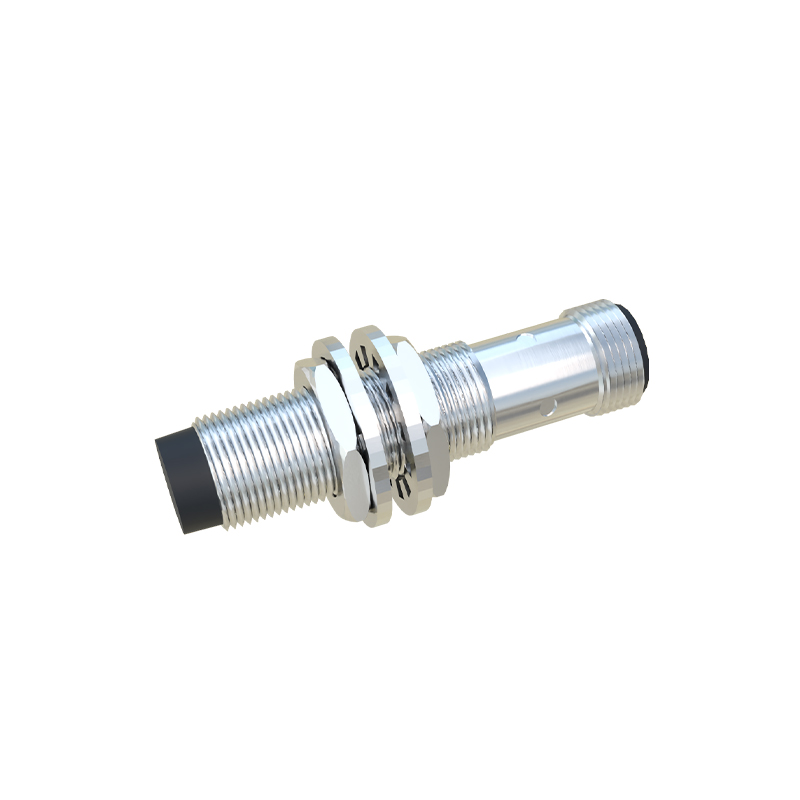
Ultrasonic Proximity Sensor Detection Method
Ultrasonic sensors utilize sound waves at frequencies above the human hearing range (typically 40-400 kHz) to detect objects and measure distance. The sensor contains a transducer that acts as both a transmitter and a receiver. It emits short, high-frequency ultrasonic pulses. These pulses travel through the air until they encounter an object, at which point they are reflected back toward the sensor. The receiver detects the reflected echo. An internal microprocessor calculates the time interval between the emission of the pulse and the reception of the echo. Since the speed of sound in air is known, the distance to the object can be accurately determined using the formula: Distance = (Speed of Sound × Time of Flight) / 2. This time-of-flight principle allows ultrasonic sensors to detect virtually any solid or liquid object, regardless of color, transparency, or material composition, making them ideal for challenging conditions involving dust, smoke, or varying light.
Photoelectric Sensing Technology
Photoelectric sensors use light to detect objects. They consist of a light emitter (usually an LED producing visible red, infrared, or laser light) and a photoreceiver. There are three main operating modes. The through-beam type has separate emitter and receiver units; detection occurs when the object interrupts the light beam. The retro-reflective type uses a single housing with both emitter and receiver, and a reflector; the object is detected when it breaks the beam reflected back from the reflector. The diffuse or proximity mode also has a single housing; it detects the object based on the light scattered back from the object itself. The receiver converts the received light intensity into an electrical signal. When the received light pattern changes (e.g., beam broken or sufficient light reflected back), the sensor's output switches state. Photoelectric sensors are excellent for long-range detection and sensing small or non-metallic objects.
Key Application Areas in Industry
The diverse sensing principles translate into a vast array of industrial applications. Inductive sensors are ubiquitous in machine tools for detecting metal parts, position verification of cylinders, and rotary speed monitoring