In the realm of technology, where precision and logic often reign supreme, there exists a subtle, often overlooked layer of poetry. Proximity sensors, those silent sentinels of our digital world, are typically discussed in the dry language of millimeters, response times, and electrical currents. Yet, to perceive them solely through this lens is to miss their inherent elegance. They are the technological equivalent of a gentle, knowing glance—a form of communication that exists just beyond the realm of touch.
Imagine a device that can feel the presence of another without making contact. It is a digital whisperer, attuned to the silent language of space. When your hand approaches a modern faucet, and water begins to flow as if by magic, it is not magic at all. It is the sensor, a discreet curator of convenience, offering its gift without demand. It senses the void you fill, the disturbance in the invisible field it maintains, and responds with a graceful, utilitarian ballet. In this interaction, there is a courtesy, a respect for personal space even as it serves.
Consider the soft glow that emanates from a laptop keyboard in a dimly lit room, illuminating the letters only when your fingers draw near. This is not merely a function; it is a performance of light. The sensor acts as a stage manager, cueing the illumination precisely when the actor—your hand—enters the scene. The light appears not as an intrusion, but as an invitation, a prepared space acknowledging your intent to create or communicate. It is a dialogue conducted in lumens and shadow.
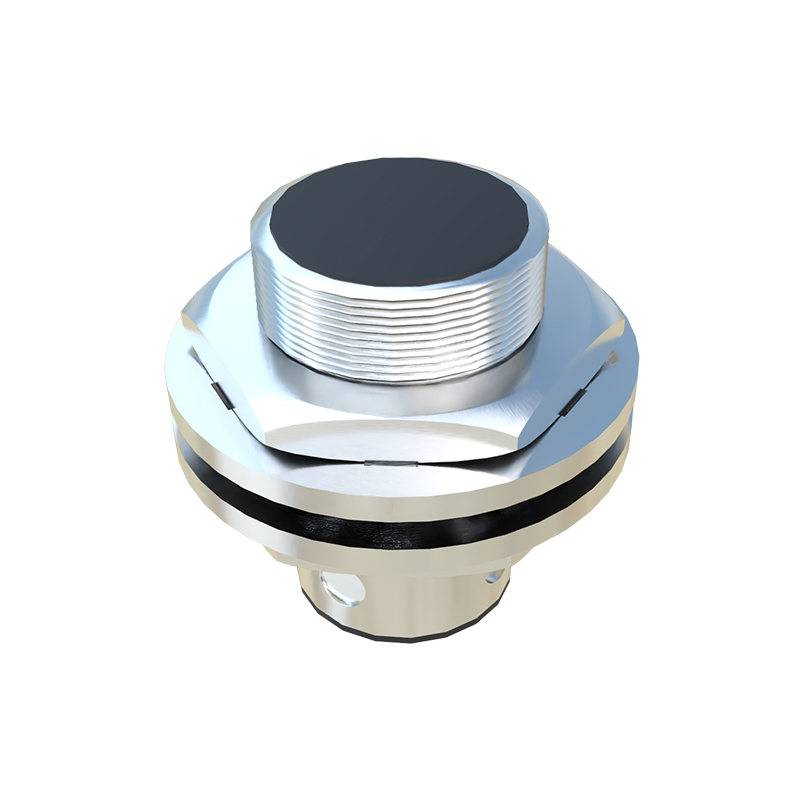
In public spaces, automatic doors slide open with a hushed sigh. Here, the proximity sensor becomes a gracious host. It perceives the approach of a guest—be it a person, a trolley, or a wheelchair—and parts the barrier without a sound. This motion is a bow, an act of welcome that eliminates the friction of handles and latches. It creates a seamless transition between exterior and interior, between the bustling world outside and the curated environment within. The technology dissolves, leaving only the experience of effortless passage.
On a smartphone screen that dims as you raise it to your ear during a call, the sensor plays the role of a thoughtful companion. It understands the intimacy of the moment, the shift in focus from the visual to the auditory. By blanking the screen, it conserves power, yes, but it also removes a visual distraction, honoring the human connection happening through sound. It is a small, intelligent gesture of deference.
Even in industrial settings, where robustness is paramount, there is an art to their operation. A sensor on a manufacturing line, ensuring components are perfectly aligned before assembly, performs a meticulous dance of detection. It is the unwavering eye that guarantees precision, the guardian of tolerance and fit. Its consistent, reliable presence is the bedrock upon which complex creations are built, a silent poet of alignment and order.
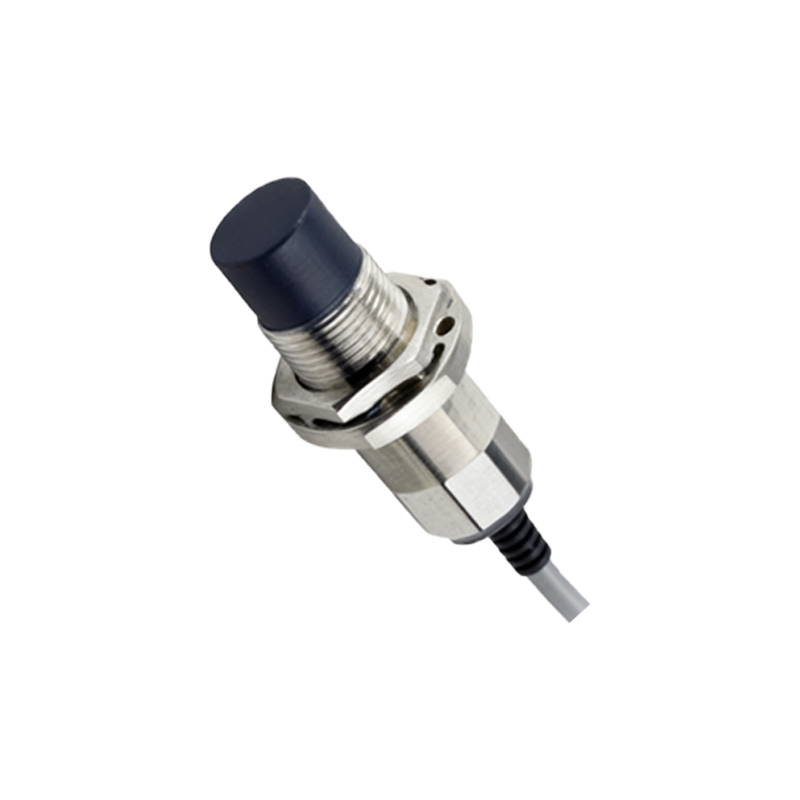
These devices are the unsung artists of the mundane. They translate the physical world—the movement of a hand, the approach of a body, the rotation of an object—into a language of electrons and data. But in their execution, they create moments of fluidity, anticipation, and seamless interaction. They operate in the liminal space between action and reaction, filling that brief pause with intelligent purpose.
To describe them artistically is to acknowledge their role as enablers of a more intuitive human experience. They are the bridges between our analog intentions and the digital realm's capabilities. They don't just detect; they anticipate. They don't just react; they facilitate. In their silent, invisible vigilance, proximity sensors compose a continuous, elegant poem about presence, space, and the graceful integration of technology into the rhythm of daily life. They remind us that even the most functional components can embody a quiet, profound beauty.
