Introduction to Proximity Sensing Technology
Proximity sensors are fundamental components in modern industrial automation, providing non-contact detection of objects within a defined range. Atronics has established itself as a prominent manufacturer in this field, offering a diverse portfolio of sensors known for their reliability, precision, and robust construction. These devices are essential for tasks such as object detection, position verification, and counting in various demanding environments. Unlike mechanical limit switches, proximity sensors operate without physical contact, thereby eliminating mechanical wear and tear and significantly enhancing system longevity and maintenance cycles. The core principle involves generating an electromagnetic field or a beam of radiation and detecting changes caused by the presence of a target object.
Core Technologies in Atronics Proximity Sensors
Atronics proximity sensors primarily utilize three key sensing technologies: inductive, capacitive, and photoelectric. Inductive sensors are the most common, designed to detect metallic objects. They generate an oscillating electromagnetic field. When a metal target enters this field, it induces eddy currents, which dampen the oscillation and trigger the sensor's output switch. Atronics offers a wide range of inductive sensors in various form factors, including cylindrical, rectangular, and ring-shaped models, with sensing distances tailored to specific applications. Capacitive sensors, on the other hand, can detect both metallic and non-metallic materials like plastics, wood, liquids, and granules. They function by measuring changes in capacitance between the sensor's electrode and the ground, which occurs when any material with a different dielectric constant enters the sensing field.
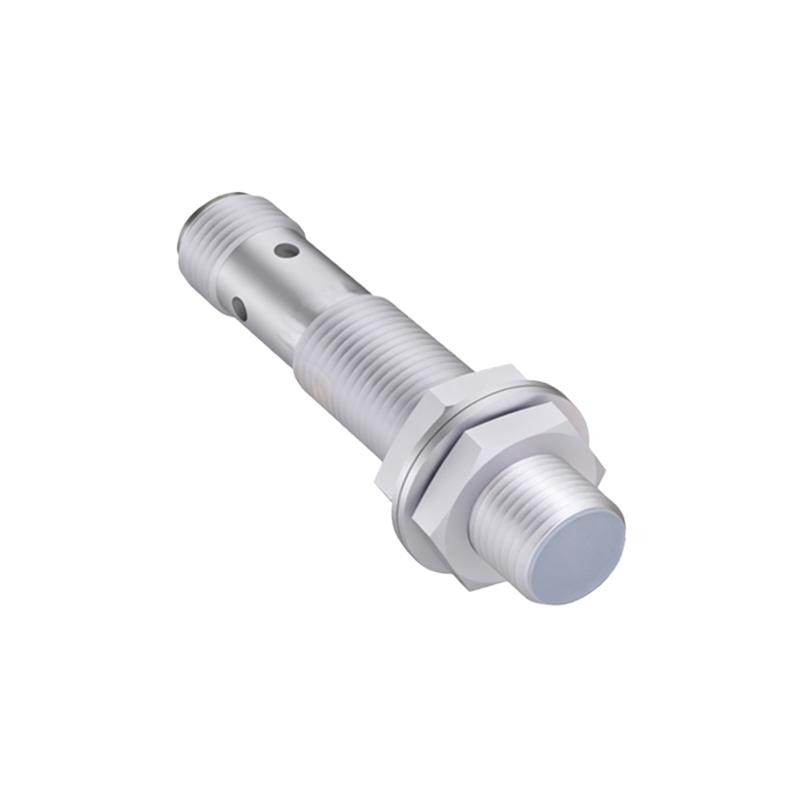
Photoelectric and Specialized Sensor Variants
Atronics photoelectric sensors use light beams to detect objects. They are categorized into through-beam, retro-reflective, and diffuse reflective types. Through-beam models consist of separate emitter and receiver units, offering the longest sensing ranges and high reliability. Retro-reflective types use a single unit and a reflector, while diffuse reflective sensors detect light reflected directly from the target. Atronics also provides specialized variants, including analog output sensors for distance measurement, high-temperature models for harsh environments, and sensors with advanced features like IO-Link connectivity for Industry 4.0 applications. This digital communication protocol enables parameter setting, process data monitoring, and advanced diagnostics directly from the controller.
Key Performance Characteristics and Specifications
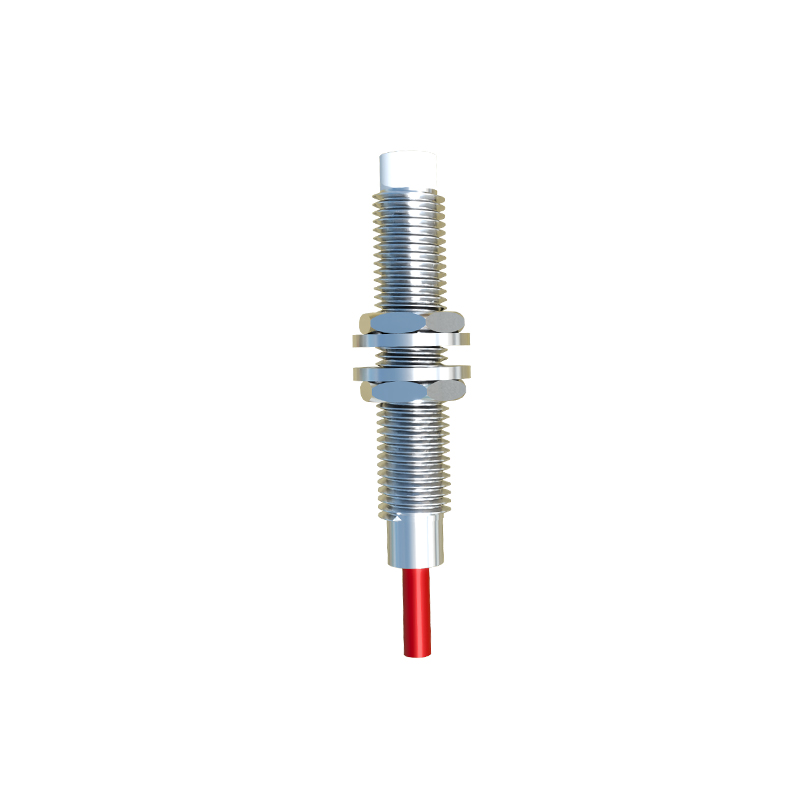
Selecting the correct Atronics proximity sensor requires careful consideration of several technical parameters. The sensing distance, or nominal range, is critical and must account for factors like target material, size, and temperature. Repeatability, the sensor's ability to consistently detect an object at the same point, is vital for precision applications. Switching frequency defines how quickly the sensor can respond to objects passing by. Environmental ratings, particularly the Ingress Protection (IP) code (e.g., IP67, IP69K), indicate the level of protection against dust and water, ensuring reliable operation in washdown or outdoor settings. Housing material, typically nickel-plated brass or stainless steel, determines resistance to corrosion and mechanical stress.
Industrial Applications Across Sectors
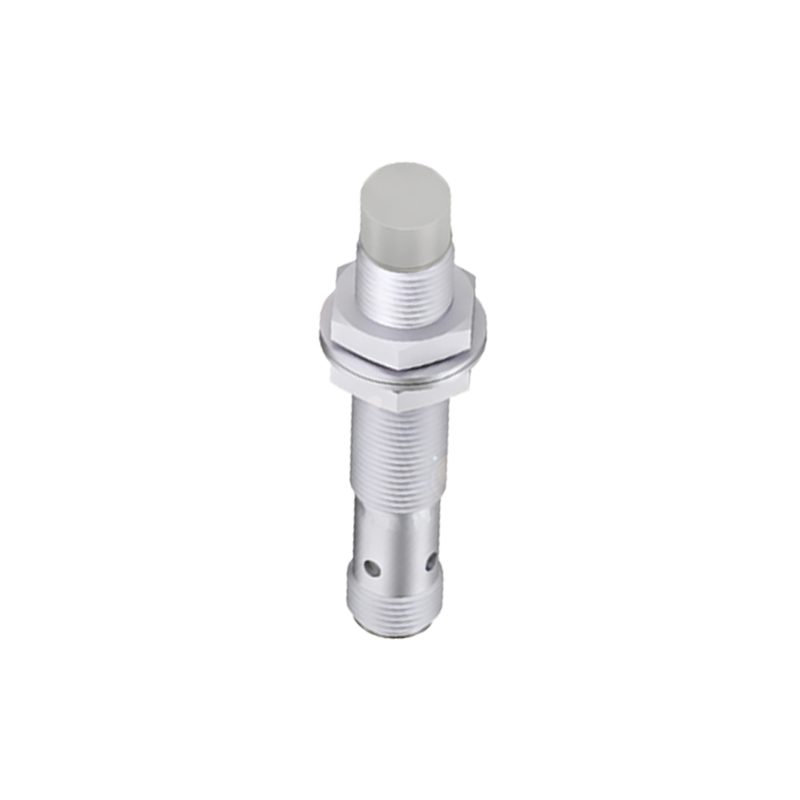
The application scope for Atronics proximity sensors is vast. In automotive manufacturing, they are used for robot guidance, part presence verification on assembly lines, and end-of-arm tooling. Packaging machinery relies on them for label detection, fill level control, and product counting. In the food and beverage industry, stainless steel sensors with high IP ratings ensure hygiene and detect bottles, cans, and packaging materials. Material handling systems use these sensors for pallet positioning, conveyor jam detection, and automated storage/retrieval systems. Their robustness also makes them suitable for heavy industries like metalworking, where they monitor tool position, detect metal sheets, and control hydraulic cylinders.
Installation, Wiring, and Integration Practices
Proper installation is paramount for optimal sensor performance. Factors such as mounting flush or non-flush, maintaining adequate clearance from metal surroundings (to prevent shielding effects), and ensuring correct alignment for photoelectric sensors must be addressed. Atronics sensors typically feature LED indicators for status and output switching. Wiring follows standard conventions: brown wire for DC positive (+V), blue for DC negative (0V), and black (or white) for the switched output signal. For integration into programmable logic controller (PLC) systems, sensors are available with both NPN (sinking) and PNP (sourcing) transistor outputs to match the input card configuration. Adherence to electrical specifications regarding voltage range and load current is essential.
Maintenance, Troubleshooting, and Future Trends
While known for durability, Atronics proximity sensors benefit from routine checks. Common issues include false triggering due to sensor contamination (cleaning the face is often the solution), reduced sensing distance from mechanical damage, or electrical faults from incorrect wiring. Diagnostic LEDs