Introduction to Q5 Photoelectric Sensors
The Q5 series represents a significant advancement in photoelectric sensing technology, engineered to meet the rigorous demands of modern industrial automation. These sensors are designed for high reliability, precision, and versatility across a wide spectrum of applications. Utilizing advanced optical principles, the Q5 sensor family can detect the presence, absence, or position of objects with exceptional accuracy, even in challenging environmental conditions. Their robust construction ensures consistent performance in settings involving dust, moisture, and variable lighting, making them indispensable components in manufacturing, packaging, material handling, and assembly lines. The core technology enables non-contact detection, which minimizes wear and tear and reduces maintenance requirements, thereby optimizing operational efficiency and lowering the total cost of ownership for industrial systems.
Core Operating Principles and Technologies
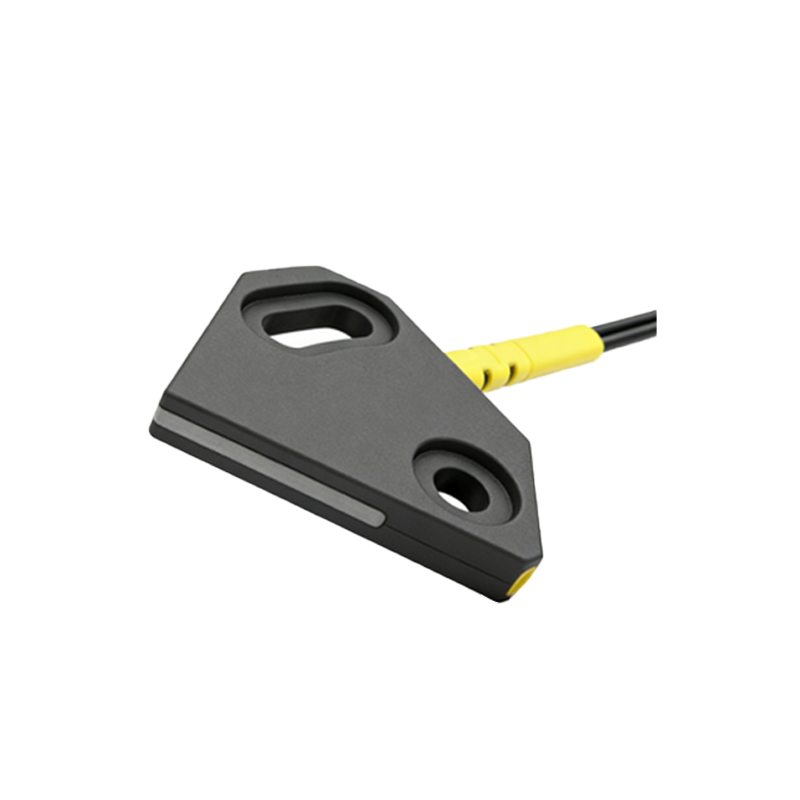
Q5 photoelectric sensors operate primarily on three fundamental modes: through-beam, retro-reflective, and diffuse reflective sensing. Each mode employs a specific configuration of emitter and receiver to suit different application needs. The through-beam type, offering the longest sensing range and highest reliability, uses separate units for the light source and the detector. The retro-reflective mode utilizes a single housing with both emitter and receiver, relying on a reflector to bounce the light beam back. The diffuse reflective type detects objects by measuring the light scattered directly from the target's surface. Advanced Q5 models incorporate background suppression technology and precise focus adjustment, allowing them to ignore distant backgrounds and detect only objects within a defined sensing window. Furthermore, many feature modulated infrared or visible red light to ensure immunity to ambient light interference, guaranteeing stable detection regardless of factory lighting conditions.
Key Features and Performance Specifications
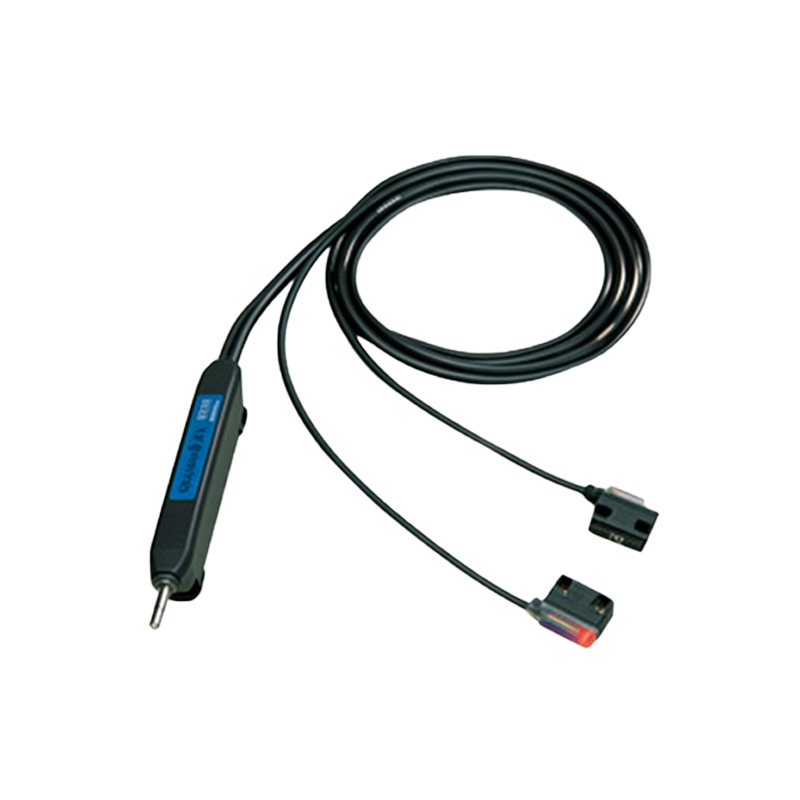
The defining characteristics of the Q5 series set a high benchmark in the sensor market. They typically offer a long sensing range, with some through-beam models capable of detecting objects over distances exceeding 100 meters. A critical feature is their high switching frequency, enabling them to detect very fast-moving objects on high-speed production lines. The sensors are built with industrial-grade housings, often rated IP67 or higher, providing excellent resistance to water, oil, and dust ingress. Electrical compatibility is broad, with models supporting various voltage ranges (10-30V DC, 20-250V AC) and output types (PNP, NPN, NO, NC, analog). Many Q5 sensors are equipped with intuitive status indicators, such as stable green LEDs for power and yellow LEDs for signal output, facilitating easy setup and troubleshooting. Their compact and standardized designs allow for flexible mounting and integration into existing machinery.
Application Scenarios in Industrial Settings
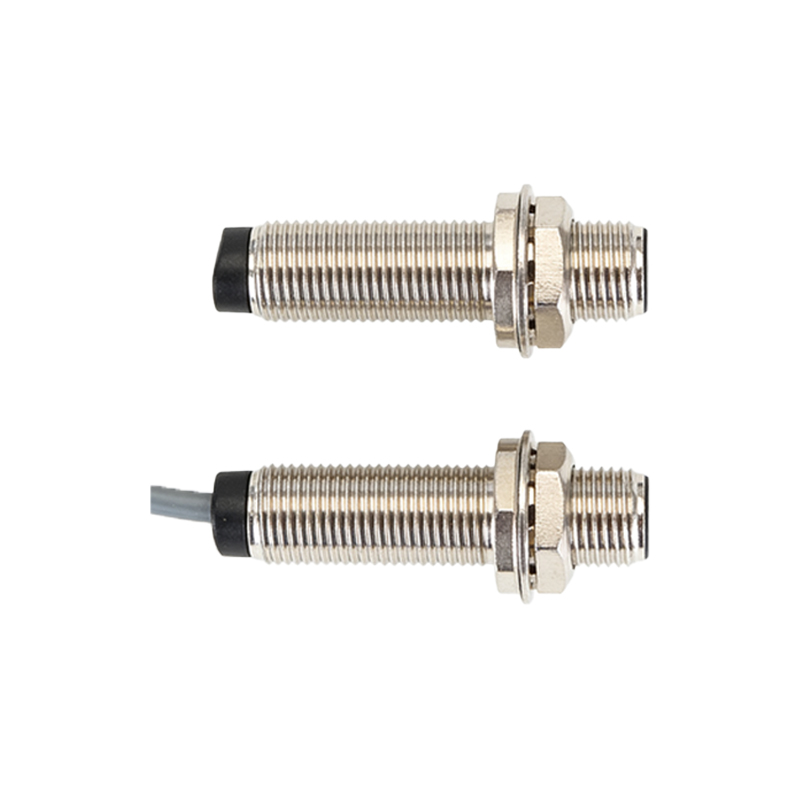
In practical industrial environments, Q5 photoelectric sensors perform critical functions. On conveyor systems, they are used for precise object counting, jam detection, and positioning control. In automated packaging machinery, they ensure correct fill levels, detect missing labels, and verify the presence of products in cartons. Within the automotive industry, these sensors verify part placement in robotic assembly cells and monitor the position of components on moving pallets. They are also vital in woodworking and metalworking for edge detection and break monitoring. Their ability to detect transparent objects, like glass or plastic films, makes them perfect for bottling plants and pharmaceutical packaging lines. The robust nature of the Q5 series allows it to function reliably in harsh areas such as foundries, food processing plants with frequent washdowns, and outdoor logistics hubs.
Advantages Over Traditional Sensing Methods
Compared to traditional mechanical limit switches or other proximity sensors like inductive or capacitive types, Q5 photoelectric sensors offer distinct advantages. Their non-contact nature eliminates physical wear, leading to a dramatically longer operational lifespan and reduced downtime for replacements. They provide much faster response times, which is crucial for high-cycle automation. The ability to sense a diverse range of materials—including metal, plastic, wood, glass, and liquid—grants unparalleled versatility. Unlike inductive sensors that only detect metals, photoelectric sensors can solve a broader array of detection challenges. Their precise and adjustable sensing ranges allow for more sophisticated control logic, enabling finer automation processes. This flexibility and reliability translate directly into improved productivity, quality control, and operational safety on the factory floor.
Installation, Configuration, and Maintenance Best Practices
Proper installation is paramount for optimal Q5 sensor performance. It is essential to ensure a stable mounting, free from vibration, and correct alignment between the emitter and receiver or reflector. The sensing path must be kept clear of obstructions and potential sources of optical interference, such as highly reflective surfaces or direct sunlight. During configuration, users should carefully adjust the sensitivity potentiometer or teach-in function to set the exact detection threshold for the target object. Regular maintenance, though minimal, involves periodically cleaning the lens with a soft cloth to remove dust, grime, or oil buildup that could attenuate the light beam. Checking cable connections for integrity and verifying the stability of the power supply are also recommended routine practices to prevent unexpected faults.
Future Trends and Integration with Industry 4.0
The evolution of the Q5 photoelectric sensor is closely tied to the rise of Industry 4.0 and the Industrial Internet of Things (IIoT). Future iterations are expected to feature integrated IO-Link communication, enabling digital parameter setting, real-time condition monitoring, and predictive maintenance data transmission directly to PLCs or cloud systems. This intelligence allows for remote diagnostics, faster changeovers, and seamless integration into smart factory networks. Advancements in laser technology and spectral analysis may lead to sensors capable of material identification or color detection. Furthermore, designs will continue to trend toward even greater miniaturization, enhanced energy efficiency, and increased robustness for extreme environments. As automation grows more complex and interconnected, the role of smart, communicative sensors like the Q5 series will become increasingly central to achieving higher levels of efficiency and autonomy in manufacturing.